
Lieferung heute & morgen

Qualitätsgarantie

Willkommens-Angebote freischalten: KOSTENLOSE Lieferung | Bis zu 80 % RABATT | Kostenlose 30-Tage-JoyPlus-Testphase
App herunterladen
The pomegranate is more than just a fruit; it's a symbol of flavour and wellness that has earned a permanent spot in kitchens, bathrooms, and pantries across Germany. However, its growing popularity has also led to a crowded and confusing market. Many products promise more than they deliver. This guide will help you avoid the typical pitfalls and find products whose quality speaks for itself.
Before you invest your money, you should be aware of the common marketing tactics that often lead to disappointment.
To ensure you're getting a high-quality product, you should check three core parameters.
The order of ingredients is regulated by law and reveals the product's true composition.
Look for precise details and reputable certifications that ensure a certain level of quality.
A product is only good if it's right for your specific needs. A sugary pomegranate syrup like Monin's is designed for cocktails and serves its purpose perfectly there, whereas it would be unsuitable as a salad dressing. Conversely, a tart, concentrated pomegranate sauce is ideal for marinades but undrinkable as a pure beverage. Check whether the product's characteristics (sweet, sour, concentrated, diluted) match your intended use.
Here are some product recommendations tailored to different needs and use cases.
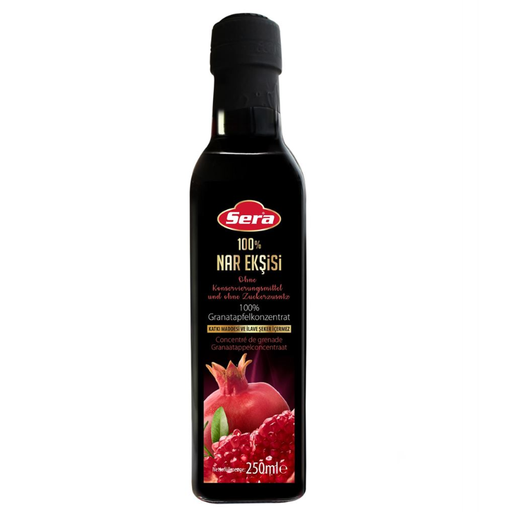
Why it's a great fit: Ideal for anyone seeking the authentic, intense, tart flavour of pomegranate in the kitchen. Perfect for salad dressings, marinades for meat and fish, or for enhancing Middle Eastern dishes like muhammara.
This product consistently avoids the "flavoured sugar" trap. The ingredients list is incredibly short and clear: 100% pomegranate. It contains no added sugar, no glucose, and no artificial flavourings.
Pure, concentrated flavour for maximum culinary flexibility. An authentic product of Turkish origin.
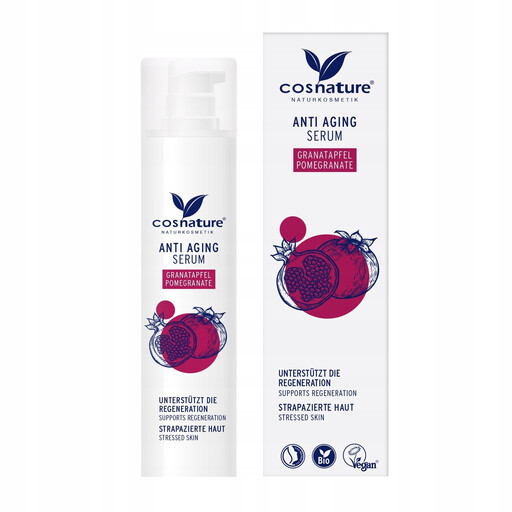
Why it's a great fit: For those seeking effective anti-aging care with certified, natural ingredients. The serum aims to improve skin elasticity and protect against environmental stressors.
This serum avoids the "extract haze" through transparency. It is NATRUE-certified and declared as an organic pomegranate product. The valuable Punica Granatum Seed Oil is high up on the ingredients list, indicating a meaningful concentration.
Certified natural cosmetics, formulated with organic pomegranate seed oil, coenzyme Q10, and hyaluronic acid. Free from silicones, parabens, and synthetic fragrances.
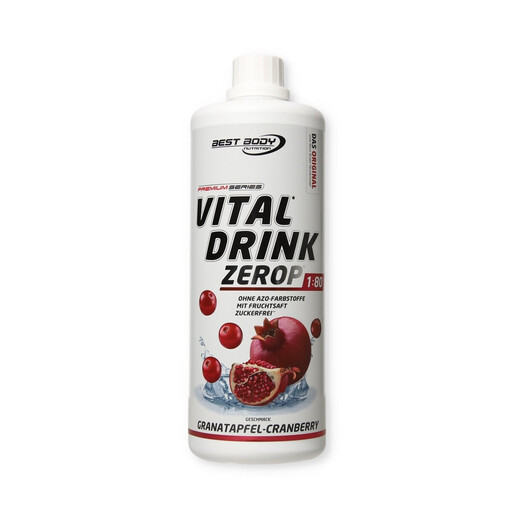
Why it's a great fit: For health-conscious individuals and families looking for a sugar-free alternative to traditional soft drinks. The concentrate goes a long way and allows for the quick preparation of a refreshing beverage.
This product is clearly positioned as a sugar-free drink concentrate, not a pure fruit juice. It avoids the sugar trap by being explicitly sugar-free and using sweeteners. The nutritional information is transparent.
Very economical (1 litre makes 80 litres of ready-to-drink beverage), sugar-free, and fortified with vitamins (B1, B6, Niacin). Perfect for soda makers.
We have compiled a complete, up-to-date list of products that fully meet these strict selection criteria and quality standards.
1. How can I identify a high-quality pomegranate juice? A high-quality pomegranate juice should ideally be labelled as "not from concentrate" or "direct juice." This means it was pressed directly from the fruit and not reconstituted from concentrate. The ingredients list should contain only one item: pomegranate juice. Look for a deep red, clear colour without any brownish tints, which could indicate oxidation.
2. Is pomegranate syrup the same as grenadine? Not necessarily. Traditionally, grenadine was made from the juice of pomegranates (the French word for pomegranate is "grenade"). Today, however, many commercial grenadine syrups consist mainly of sugar, water, artificial flavours, and a mix of other red fruit juices like blackcurrant or raspberry. A true pomegranate syrup should list pomegranate as the main ingredient, as is the case with products from brands like ?ncü.
3. How should I store pomegranate sauce or syrup after opening? After opening, these products should be stored in the refrigerator. The cold temperature slows down spoilage and preserves freshness and flavour. Always seal the bottle tightly. Pay attention to the specific instructions on the product label, as the shelf life can vary depending on the sugar content and preservatives.