
Lieferung heute & morgen

Qualitätsgarantie

Willkommens-Angebote freischalten: KOSTENLOSE Lieferung | Bis zu 80 % RABATT | Kostenlose 30-Tage-JoyPlus-Testphase
App herunterladen
A pop-up tent, often called an instant or seconds tent, promises an effortless and rapid setup—ideal for novice campers, festival-goers, or families looking for a spontaneous weekend in nature. However, this tempting simplicity can lead to disappointment if crucial quality features are overlooked. Many buyers only discover after the first downpour or a chilly night that their new tent isn't up to the task.
This guide will help you navigate the most common pitfalls and find a model that suits your needs. We focus on the objective criteria that define a reliable pop-up tent for 3 to 4 people.
Common Pitfalls When Buying a Tent:
To avoid buyer's remorse, you should check a few technical parameters before making a decision. These reveal the true performance and durability of a tent.
The waterhead rating is a unit of measurement that indicates how waterproof a tent's fabric is. According to the DIN EN ISO 811 standard, a tent's outer material is considered waterproof from 1,500 mm. However, for reliable protection in changeable weather conditions, especially during prolonged or heavy rain, a higher value is recommended.
A waterproof 4-person camping tent should have a waterhead rating of at least 2,000 mm for the flysheet and ideally 3,000 mm or more for the groundsheet. This ensures that no moisture penetrates, even under sustained pressure from rain or ground dampness.
Tents are available in single-wall and double-wall designs. A double-layer tent consists of a waterproof outer flysheet and a breathable inner tent. This construction offers significant advantages:
For multi-day trips or in unpredictable weather, a double-wall 4-person dome tent or an automatic tent with this design is the more reliable option.
Check the floor dimensions (length and width) of the inner tent. To estimate the actual space needed for four people, you should plan for a width of 55–60 cm per person. A small family tent should also offer extra space for luggage and movement. Pay attention to the tent's height if you want to be able to sit upright inside. For a hiking tent, however, low weight and a small pack size are often more important than maximum spaciousness.
Based on these objective criteria, we have curated a selection of products suitable for various user profiles.
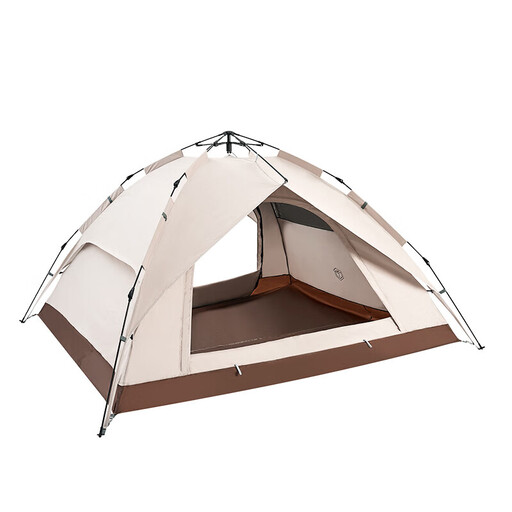
Why This Fits Their Persona: This tent combines the rapid setup of an automatic tent with the reliable protection of a double-wall construction. It's ideal for weekend trips or festivals where comfort and straightforward handling are top priorities.
With a 3000 mm waterhead rating and a double-layer construction, it bypasses the typical weaknesses of cheap pop-up tents: inadequate rain protection and heavy condensation.
The automatic mechanism allows for setup in seconds without sacrificing the benefits of a fully-featured, weatherproof tent. The skin-friendly inner material provides additional comfort.
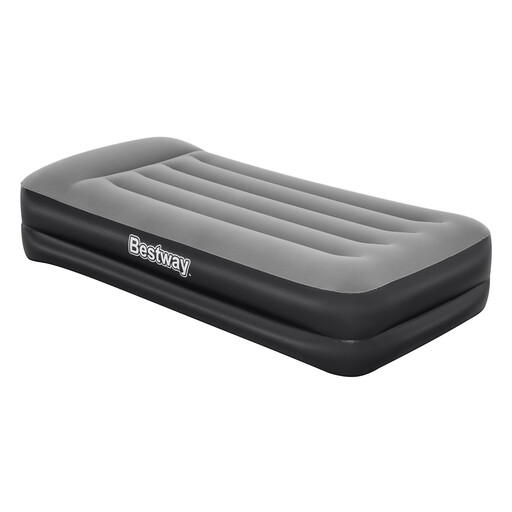
Why This Fits Their Persona: For those who refuse to compromise on sleeping comfort while camping, a high-quality air mattress is the perfect tent companion. This model offers a comfortable height and stability that rivals a conventional mattress.
It avoids the pitfall of an uncomfortable night on a thin sleeping pad. The Tritech material is stretch-resistant and minimises air loss overnight, a common problem with basic air mattresses.
The integrated AC pump inflates the mattress in just 3 minutes—a huge time and effort saver at the campsite. The contoured support structure ensures a stable sleeping surface.

Why This Fits Their Persona: A great camping trip is perfected by the right gear. A sturdy and comfortable chair is essential for relaxing hours by the campfire, during meals, or simply enjoying nature.
Unlike flimsy, uncomfortable budget chairs, this model offers a high backrest and solid armrests. This avoids the trap of an uncomfortable campsite where your only option is sitting on the ground.
The robust steel frame is designed for a load capacity of up to 180 kg. The high backrest (70 cm) and breathable mesh insert ensure superior comfort, even when sitting for long periods.
We have compiled a complete, up-to-date list of products that fully meet these strict selection criteria and safety regulations.
The waterproofness depends on the specified waterhead rating. A value of 1,500 mm is considered the minimum. For reliable protection from rain, you should choose a model with at least 2,000 mm, or even better, 3,000 mm. Also, look for sealed seams, as these are often a weak point for water ingress.
The "4-person" rating is often optimistic. For a family of four with luggage, such a tent is usually too small. It is better suited for two adults and one child, or for three adults. Check the exact dimensions of the sleeping cabin and plan for about 60 cm of width per person to realistically assess the actual space.
Disassembly can be tricky at first. It's advisable to practice the folding process at home in a relaxed setting before your first trip. Follow the manufacturer's instructions step-by-step. Usually, the tent is twisted into a "figure-8" shape and then folded into a circle. Using the wrong technique can permanently damage the poles. Manufacturer videos can be very helpful here.