
Lieferung heute & morgen

Qualitätsgarantie
App herunterladen
Kategorien
A pop-up tent, also known as an instant tent, is based on a design principle that reduces the setup process to just a few seconds. This is made possible by an integrated, pre-tensioned pole system that automatically unfolds once a locking mechanism is released. This article serves as a technical guide, analysing the crucial parameters to consider when selecting a suitable model for camping, festivals, or short getaways.
The selection of a functional pop-up tent should be based on an analysis of objective performance metrics. The following criteria are relevant for your evaluation.
The waterproof rating of a tent fabric is indicated by its hydrostatic head, measured in millimetres (mm). This value is determined according to the DIN EN ISO 811 standard and describes the water pressure a material can withstand before moisture penetrates.
A crucial factor in making a pop-up tent waterproof is the sealing of its seams. Look for specifications mentioning taped or welded seams, as these eliminate potential weak points where water could enter.
The choice of material affects the tent's weight, durability, and interior climate.
A double-wall construction (inner and outer tent) is preferable to a single-wall design. The gap between the two layers promotes air circulation and effectively wicks condensation outwards.
The manufacturer's person-rating (e.g., 4-person camping tent) is a guideline. For greater comfort and storage space for gear, it is advisable to choose a tent rated for one more person than you actually need. A 3-4 person instant tent is therefore well-suited for two to three people with equipment.
Two other important measurements are:
A well-designed ventilation system is crucial for minimising condensation. Look for closable vents in the roof area and mesh panels on the entrance or windows. These allow for continuous air exchange without letting insects inside.
Based on the technical criteria mentioned, we are presenting two products designed for specific use cases.
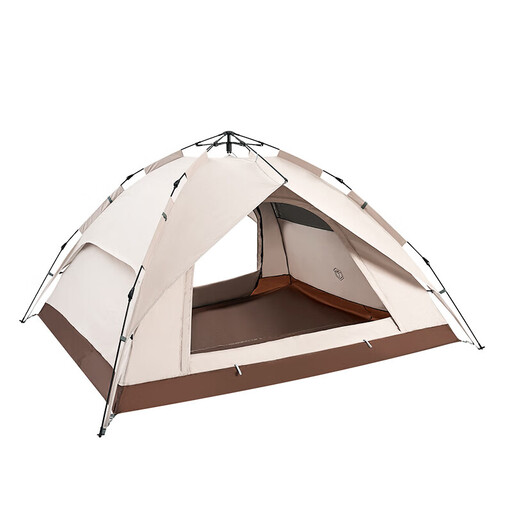
Why We're Featuring This Product
This model combines the rapid setup of a pop-up tent with the advantages of a double-wall construction. It is aimed at users seeking a practical and weatherproof shelter for typical camping and festival scenarios.
Technical Specifications
Who It's For
This tent is a functional choice for festival-goers, first-time campers, and small groups of friends who need a tent for a festival or weekend trips and value hassle-free setup, takedown, and reliable weather protection.
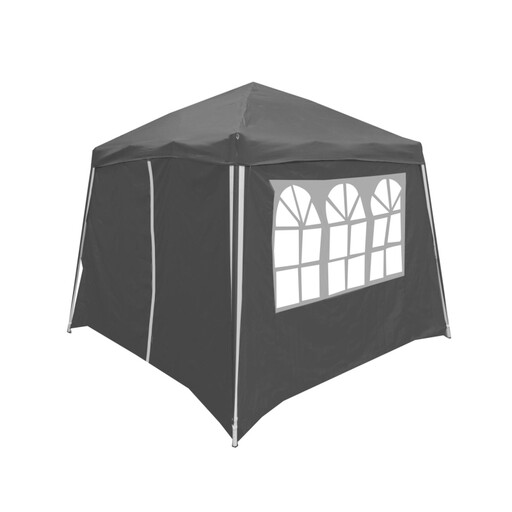
Why We're Featuring This Product
While a pop-up tent primarily serves as sleeping quarters, this foldable gazebo offers a quick-to-assemble solution for daytime weather protection. It shares the principle of rapid deployment but serves a different purpose.
Technical Specifications
Who It's For
This gazebo is suitable for individuals who need a mobile and quickly assembled shelter for garden parties, markets, or as a living area to complement a dome tent for camping.
Pop-up tents are optimised for maximum setup convenience. However, for those who prioritise other features—such as a smaller pack size, greater wind stability for alpine regions, or specific layouts with separate sleeping cabins—classic tent designs offer an alternative. For users considering a wider selection of shapes and sizes or more specialised models for demanding treks, the Dome Tents category provides a comprehensive overview.
1. How waterproof is a pop-up tent, really? The level of waterproofing depends directly on the stated hydrostatic head (in mm) and the quality of the seam sealing. A model with a 3,000 mm hydrostatic head for the flysheet, like the featured ochama×J.ZAO tent, offers excellent protection for most weather conditions in Central Europe. Always check the product specifications from the respective manufacturer.
2. Can you set up and take down a pop-up tent by yourself? Yes, the setup is explicitly designed to be done by a single person and takes only a few seconds. Takedown requires learning a specific folding technique. This is usually illustrated in the manual and becomes straightforward after a few tries.
3. Is a pop-up tent suitable for severe weather? Pop-up tents are primarily designed for moderate weather conditions. Their flexible structure is more susceptible to strong winds than that of geodesic or tunnel tents. For sufficient stability, it is essential to correctly use all supplied guy lines and pegs and to pitch the tent in a sheltered spot.