If you’re watching your added fat
You want something crunchy after a workout and prefer to control how much oil you use. Popcorn kernels you prepare yourself are a good fit if you can pop them without added fat and choose your toppings carefully.


If you want popcorn with as little added fat as possible after a workout, popcorn kernels popped without oil are a good option – provided your equipment and method are suitable. The nutritional values for raw kernels won’t automatically apply to popcorn made with oil, butter or sweet toppings. If you also want your snack to fit your protein plan, consider the portion you actually eat and, if needed, add another source of protein.
You want something crunchy after a workout and prefer to control how much oil you use. Popcorn kernels you prepare yourself are a good fit if you can pop them without added fat and choose your toppings carefully.
You’re looking for a snack, but you’re also thinking about your protein intake throughout the day. Popcorn can add a satisfying crunch to a meal, but whether the portion you actually eat fits your goal can’t be judged from the nutritional values of raw kernels alone.
You want to choose between sweet popcorn and a savoury microwave bag without any preparation. Compare specific varieties for fat, sugar and salt per 100 g rather than assuming their nutritional values based on how they’re made.
First decide whether you want to make your own popcorn or eat it straight away. Then compare the nutritional information per 100 g, and remember to include anything you add when preparing popcorn kernels.
| What matters | What to check | Who it matters to |
|---|---|---|
| Fat and preparation | Compare fat per 100 g and, for popcorn kernels, check whether your planned method works without oil. | If I want to control the amount of fat, I’d rather take the time to pop my own than choose a ready-made bag. This is a priority for around 33% of consumers. |
| Protein in your snack | Include the portion you actually eat and, if needed, other foods in your protein plan. | After regular training, I want to know how a snack fits into my diet throughout the day, rather than relying on the protein content of the basic ingredient. This is a priority for around 27% of consumers. |
| Sugar in sweet varieties | Check ‘of which sugars’ and energy per 100 g, as well as the portion you plan to eat. | If I want to take sweet ready-made popcorn with me, I care about how much sugar is in my portion as well as its fat content. This is a priority for around 20% of consumers. |
| Savoury ready-made popcorn | Compare fat, saturates and salt per 100 g on the specific pack. | I want something savoury to snack on without any preparation, but I also want to factor in the nutritional values of the bag I choose. Around 20% of consumers put this first. |
A lower fat content doesn’t tell you how much sugar or protein is in the portion you eat. According to EDEKA, sweet GUT&GÜNSTIG popcorn contains 4.5 g of fat, but also 30 g of sugar per 100 g.
Decide which nutritional values matter most to you and read the full information per 100 g.
The preparation method alone doesn’t determine the fat content. EDEKA lists 21 g of fat and 2.5 g of salt per 100 g for its savoury GUT&GÜNSTIG microwave popcorn.
Check the specific variety. If you want to control how much oil you use, compare it with kernels you can prepare yourself.
Oil, butter and sweet ingredients change the nutritional values of the finished portion. For example, Heimatgut Organic Cinnamon Popcorn listed by REWE contains 17 g of fat and 28 g of sugar per 100 g.
When making popcorn yourself, include all added ingredients; for ready-made popcorn, check the information for the specific variety.
A single label is no substitute for checking the ingredients and nutritional information. According to the Verbraucherzentrale (German Consumer Advice Centre), the Nutri-Score is only useful for comparisons within the same product group or between products with the same purpose.
Compare similar products and also check the nutritional information and ingredients list.
Popcorn kernels to prepare and season yourself.
EDEKA’s own brand, with the sweet ready-made popcorn and savoury microwave popcorn varieties covered here.
Ready-made popcorn in a range of flavours; the recipe of each variety matters when choosing.
The Popchips range is an alternative potato snack, not popcorn.
The Naturals Lightly Salted variety featured here is made from potatoes, so it belongs to a different snack category.
These kernels are worth considering if you want to make your own popcorn and choose the seasoning. If you want to prepare them without added fat, check the instructions for the product and make sure your equipment is suitable. The fat content of the finished portion also depends on any ingredients you add.
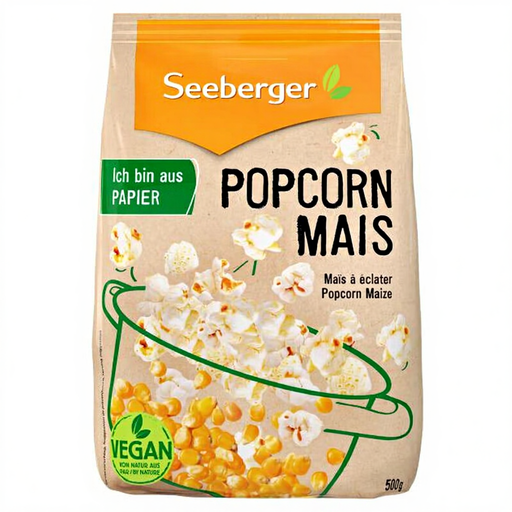 Image unavailable
For homemade popcorn when you want to choose the seasoning yourself.
The product name states 500 g, while another pack-size detail differs. Check the pack size before buying.
The preparation instructions described call for oil. If you want to pop the kernels without oil, check that they’re suitable for your chosen method. If you have allergies, follow the pack labelling.
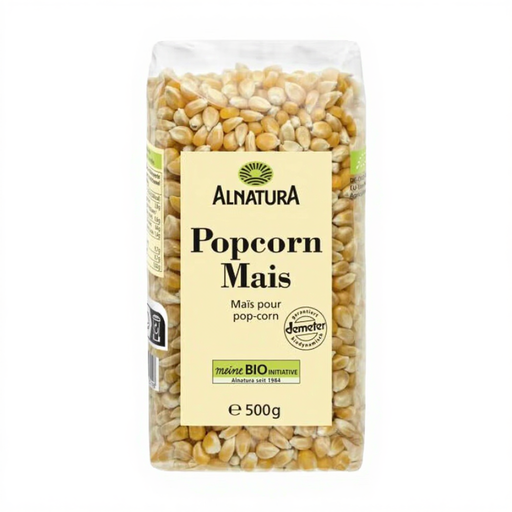 Image unavailable
For popcorn you can prepare and season yourself.
The preparation instructions described call for oil. If you’d prefer not to use it, first check for a method suitable for these kernels. If you have allergies, follow the pack labelling.
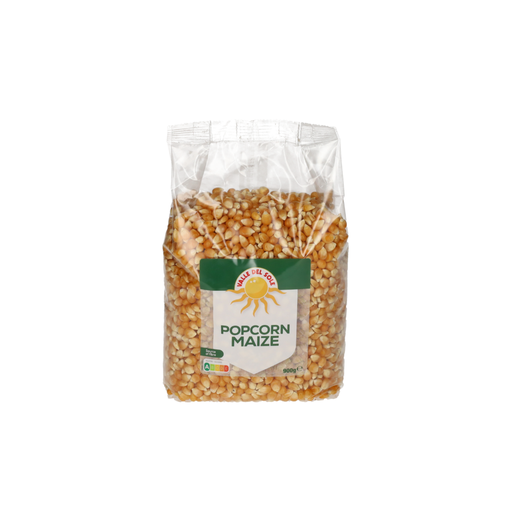 Image unavailable
For homemade popcorn with your choice of seasoning.
The pack-size details don’t match: both 900 g and 500 g are listed. Before buying, check the pack on offer and its corresponding nutritional information.
The preparation instructions described call for oil. If you want to pop the kernels without oil, check for a suitable method. If you have allergies, follow the pack labelling.
No – the preparation method and added ingredients both make a difference. REWE lists 0.7 g of fat per 100 g for raw Yörem popcorn kernels and describes a fat-free microwave method; adding oil or butter changes the nutritional values of the finished popcorn.
Whether popcorn fits your protein plan depends on how much you eat and what else you eat; the protein content of raw kernels doesn’t give you the full picture. The German Nutrition Society considers daily protein intake in relation to training volume and goals.
Compare fat, saturates, sugar, salt and energy per 100 g, and take your portion into account. The Nutri-Score can also help; according to the Verbraucherzentrale (German Consumer Advice Centre), it’s only useful for comparisons within the same product group or between products with the same purpose.
Follow the instructions for the specific product and use a suitable container. For homemade popcorn, Lidl recommends using a loosely fitting lid so that air can escape; prepare ready-made microwave popcorn according to the instructions on its own pack.