If you want to choose the ingredients and portion size yourself, popcorn kernels you prepare at home are a sensible place to start. Microwave bags and ready-to-eat popcorn save on preparation time. However, when comparing calories, check the nutritional values per 100 g, added ingredients and how much you actually eat. Popcorn can be part of your lunch break as a snack, but it is not automatically a complete meal.
Which option suits you
For people who want to measure out their own ingredients
If you want to add your own oil, sugar or salt and make a small snack portion, loose popcorn kernels are a good place to start. Just make sure you have time to prepare them during your lunch break.
For people with a short home-working break
If you need something that takes little time to prepare, microwave popcorn or ready-to-eat options could suit you. With both, the nutritional information and the amount in the bag matter more than the claims on the front of the pack.
For people planning a full lunch break
If you want more than a crunchy snack, don’t plan on popcorn as your only meal. The German Nutrition Society lists vegetables, fruit, wholegrains and pulses among the important food groups for a varied diet.
What to look for when buying
First, decide whether you want to prepare popcorn yourself or need something ready to eat. Then compare like-for-like popcorn products by checking the nutritional information and how much you expect to eat.
Popcorn kernels
A good fit if: You want to choose the portion size and added ingredients yourself.
The trade-off: They take time to prepare, and oil and toppings change the nutritional values of the finished portion.
Microwave popcorn
A good fit if: You want to use a ready-made bag during a short break.
The trade-off: The recipe is fixed, so check the fat, sugar and salt content of the specific product.
Ready-to-eat popcorn
A good fit if: You want a snack with no preparation.
The trade-off: You can’t change the recipe, so consider the pack weight alongside your portion size.
| What to consider |
What to check when buying |
Who it matters most to |
| Energy and ingredients |
Compare energy in kcal, as well as fat, sugar and salt per 100 g. If you’re making your own, factor in oil and toppings too. |
If I make popcorn myself, I want to choose the ingredients and the size of my snack portion. Around 42% of consumers put this control first. |
| Time during your break |
Check the preparation method and instructions on the bag; compare the pack weight with the portion you have in mind. |
During a short work break, I don’t want to spend long in the kitchen, so I’m happy to accept a fixed recipe. For around 33% of consumers, a hassle-free break is the main priority. |
| As part of lunch |
Consider whether popcorn will be a snack or part of a meal, then plan other foods accordingly. |
If my lunch break is for a meal, a bowl of popcorn on its own may not be enough. This is the main consideration for around 25% of consumers. |
Common comparison mistakes
-
Assuming popcorn is always low in calories
Added fat and other ingredients can significantly change the nutritional values, depending on the recipe. EDEKA lists its GUT&GÜNSTIG salty microwave popcorn as containing 430 kcal and 21 g of fat per 100 g.
Compare the nutritional information per 100 g. If you make popcorn yourself, remember to include any ingredients you add.
-
Looking only at the front of the pack or the Nutri-Score
Values per 100 g don’t tell you how much you’ll actually eat. The Verbraucherzentrale also says that the Nutri-Score is only suitable for comparisons within a relevant product group or between products with the same intended use.
Check the pack weight, ingredients list and nutritional information together. The Nutri-Score can help you compare similar products, but it can’t replace portion planning.
-
Assuming popcorn can automatically count as a complete lunch
A snack alone doesn’t answer the question of what else to include in your lunch break. The German Nutrition Society’s general recommendations cover various food groups, including vegetables, fruit, wholegrains and pulses.
If you want popcorn to be part of your lunch, plan the other foods in your meal separately.
-
Opening a hot microwave bag towards yourself
Hot steam may escape when you open the bag after heating, as the preparation instructions for REWE microwave popcorn explain.
Follow the instructions for the product you have and open the bag away from your body.
Brands and own-label products to consider
GUT&GÜNSTIG / EDEKA
EDEKA lists a 3 × 100 g pack of salty GUT&GÜNSTIG microwave popcorn. It’s a specific example of the ready-to-prepare bag option, not a reflection of popcorn in general.
- The EDEKA product page lists the ingredients and nutritional values, making it possible to compare the recipe with other products.
- According to EDEKA, this product contains 430 kcal, 21 g of fat and 2.5 g of salt per 100 g. Check the information on the pack you buy.
REWE
REWE’s popcorn category includes popcorn kernels, microwave popcorn and ready-to-eat options. It can help you choose a preparation method.
- You can narrow down the different product types according to how much preparation you want to do.
- The category doesn’t replace checking the ingredients, nutritional information and pack sizes of individual products.
Lidl
Lidl Deutschland explains how to prepare popcorn kernels at home, including in the microwave or on the hob. This is a guide to making popcorn yourself, not a claim about a specific popcorn product.
- Lidl also describes the microwave method for small quantities.
- The nutritional values of the finished portion depend on factors including the amount of corn used and the ingredients you add.
Popcorn kernels at Joybuy
These products are popcorn kernels for you to prepare at home. They’re a good choice if you want to decide on the ingredients and portion size yourself. To compare the calories in the finished portion, remember to include any ingredients you add during preparation.
 No image available
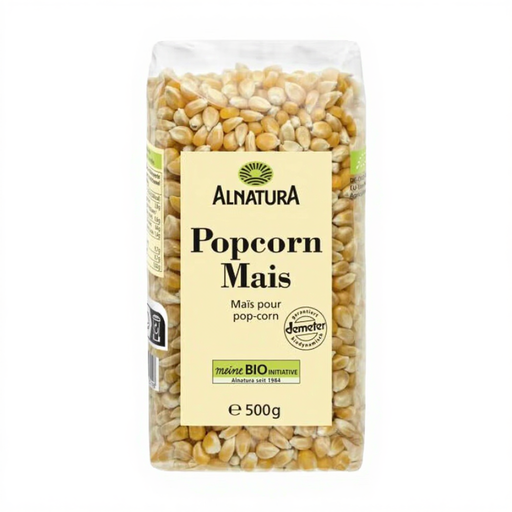
Alnatura Organic Popcorn Kernels, 500 g
For a snack portion you can tailor to your taste. The product name lists 500 g of popcorn kernels; factor in added oil and toppings when assessing the nutritional values of the finished portion.
View at Joybuy
 No image available
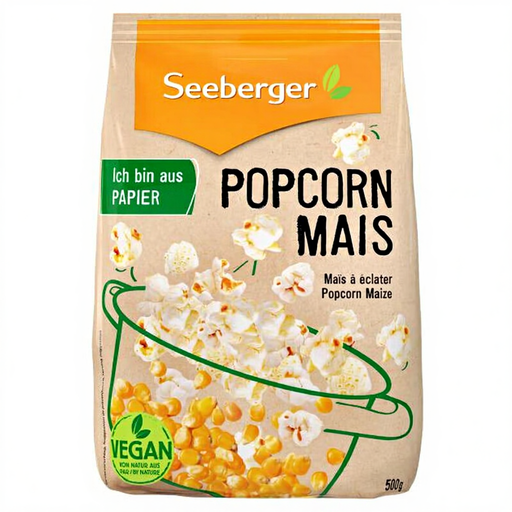
Seeberger Popcorn Kernels, 500 g
For making and portioning your own popcorn at home. The product name lists 500 g. For a calorie-conscious choice, check the energy information on the specific pack and factor in any ingredients you add during preparation.
View at Joybuy
 No image available
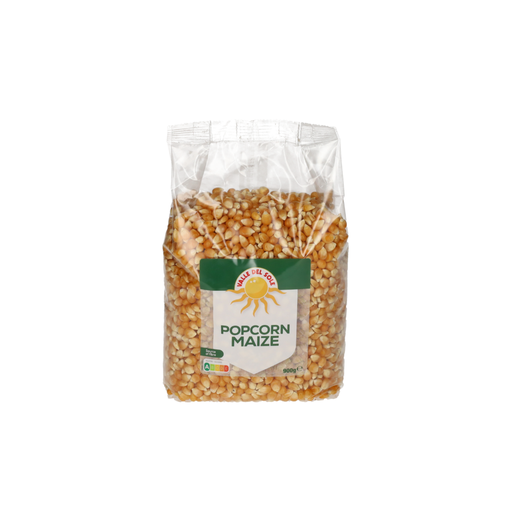
Valle del Sole Butterfly Popcorn Kernels, 900 g according to the product title
For homemade popcorn with a portion size and seasoning of your choice. Before ordering, check that the pack size matches the option on offer. Use the nutritional information on that specific pack when comparing calories.
View at Joybuy
Frequently asked questions
How do I compare the calories in popcorn?
For like-for-like products, compare the energy in kcal per 100 g and take into account how much you actually eat. The nutritional information also shows values such as fat, sugar and salt. If you make popcorn yourself, include the ingredients you use as well.
Is microwave popcorn automatically a lighter option?
No, you can’t tell from the preparation method alone. EDEKA lists its GUT&GÜNSTIG salty microwave popcorn as containing 430 kcal, 21 g of fat and 2.5 g of salt per 100 g. Check the information for the product you’re considering buying.
Can I prepare popcorn kernels in the microwave myself?
Yes, as long as you use a suitable, heat-resistant microwave-safe container and follow the instructions for the container and appliance. Lidl recommends this method especially for small quantities and points out that steam needs to be able to escape.
Is a good Nutri-Score enough to make a decision?
No, it doesn’t replace checking the ingredients list, nutritional information or portion size. The Verbraucherzentrale recommends comparing the Nutri-Score only for foods in the same product group or with the same intended use.


