Parents keeping an eye on fat
You want to compare fat content and are happy to prepare popcorn kernels yourself. The fat content of the finished snack will also depend on the oil and toppings you add.


To compare the fat content of popcorn, check the nutrition information per 100 g and take sugar and salt into account too. With popcorn kernels, you can choose the oil and seasoning yourself, but you’ll need to prepare the snack. Ready-to-eat popcorn saves you that step, but even varieties with less fat can contain a lot of sugar.
You want to compare fat content and are happy to prepare popcorn kernels yourself. The fat content of the finished snack will also depend on the oil and toppings you add.
If you have little time to prepare a snack, ready-to-eat popcorn or a microwave option could work for you. For microwave popcorn, your choice will also depend on having a suitable appliance and following the instructions on the specific pack.
You don’t want to look at a lower fat figure in isolation. For sweet and salty varieties, it’s worth checking the sugar or salt content per 100 g as well.
For a snack break, parents can choose between popcorn kernels to prepare at home, ready-to-eat popcorn and microwave popcorn. The key question is whether you’d rather control the ingredients or keep preparation time to a minimum.
A good choice if: you want to measure out the oil and seasoning yourself.
The trade-off: You’ll need time, a suitable appliance and the ingredients to prepare it. The fat content of the dry kernels doesn’t tell you how much fat is in the finished snack.
A good choice if: you want a snack that’s ready to eat without any preparation.
The trade-off: A lower fat figure doesn’t tell you how much sugar the same variety contains.
A good choice if: you have a microwave and want to keep preparation to a few simple steps.
The trade-off: Follow the instructions on the bag. Fat, sugar and salt levels vary between varieties.
| Criterion | What to check | Who it matters to |
|---|---|---|
| Fat content | Compare fat per 100 g on the same basis. If you’re preparing it yourself, remember to factor in the oil and toppings too. | If I want to control how much fat is in my popcorn, I need to distinguish between the figure on the pack and the finished snack. Around 36% of consumers would put fat content first. |
| Preparation time | Choose between ready-to-eat varieties and microwave popcorn. For the latter, check that you have a suitable appliance and read the instructions on the bag. | When I have a short break, I don’t want to spend ages cooking or seasoning a snack. That’s why around 29% of consumers would prioritise quick preparation. |
| Sugar and salt | Alongside fat, check the sugar and salt per 100 g for the variety you want. | When choosing sweet or salty popcorn, I don’t want to base my decision on just one nutritional value. Around 21% of consumers would pay particular attention to sugar and salt. |
| Ingredients and information | Check the ingredients, allergens and precautionary allergen labelling on the specific pack. For homemade popcorn, choose popcorn kernels. | If someone in my household needs to avoid certain ingredients, I need to check the pack before choosing a variety. For around 14% of consumers, this would be their top priority. |
The sweet GUT&GÜNSTIG popcorn listed by EDEKA contains 4.5 g of fat but 30 g of sugar per 100 g. Fat content alone doesn’t tell you about the other nutritional values of this variety.
Compare fat, sugar and salt per 100 g, then decide which difference matters most to you.
The salty GUT&GÜNSTIG microwave popcorn listed by EDEKA contains 21 g of fat and 2.5 g of salt per 100 g. Its quick preparation says nothing about its nutritional content.
Check both the nutrition information and the instructions and power requirements on the bag.
EDEKA names popping corn, also known as pearl corn, as a suitable type of corn for making popcorn.
When buying kernels to prepare at home, look for the terms popcorn kernels, popping corn or pearl corn, and follow the instructions for your appliance.
EDEKA notes that information on product pages may differ from what’s on the packaging. The availability of individual varieties can also vary between stores.
Before buying, check the specific variety and read the ingredients, nutrition information and other details on the pack.
The examples listed by EDEKA include ready-to-eat sweet popcorn and salty microwave popcorn.
A caramel-flavoured microwave option offers a different way to prepare popcorn from ready-to-eat varieties.
REWE lists Heimatgut organic popcorn and organic microwave popcorn as different product types.
REWE lists Seeberger popcorn kernels and microwave popcorn. If you want to control how much oil you use, kernels are the relevant product type.
REWE’s own-label range includes sweet microwave popcorn, among other products.
This selection includes popcorn kernels for home preparation, ready-to-eat caramel popcorn and sweet microwave popcorn. For popcorn kernels, the nutritional information for the unprepared product doesn’t automatically apply to the snack once you’ve added oil and toppings.
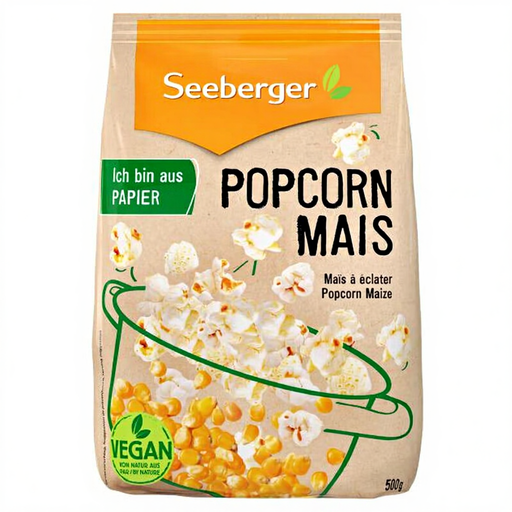 No image available
For parents who want to choose the oil and seasoning themselves. Joybuy describes this product as popcorn kernels. Check the pack size before buying, as a multipack is also listed. Added oil and toppings will change the nutritional values of the finished snack.
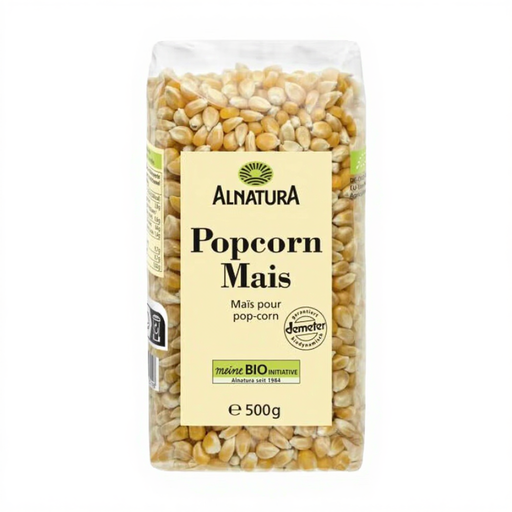 No image available
For preparing popcorn at home when you’d like to choose the seasoning yourself. The product name specifies a 500 g pack of popcorn kernels. The fat content of the finished popcorn will also depend on the oil and toppings you use. If you have allergies, check the information on the specific pack.
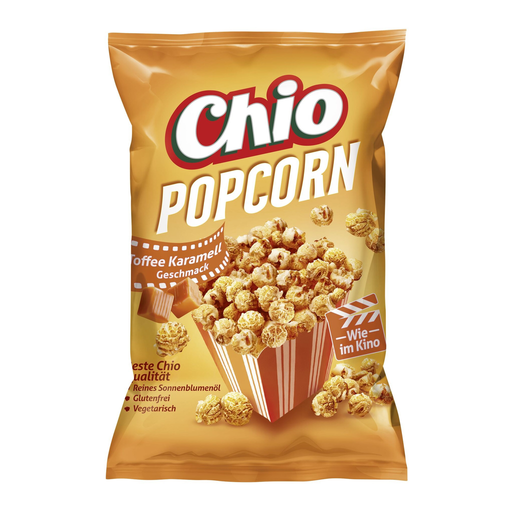 No image available
For a break with no preparation when you fancy caramel popcorn. The product name specifies 120 g. As this is a sweet variety, check the sugar content on the current pack as well as the fat. It isn’t the same product as the Chio Caramel Microwave Popcorn mentioned in the brand example.
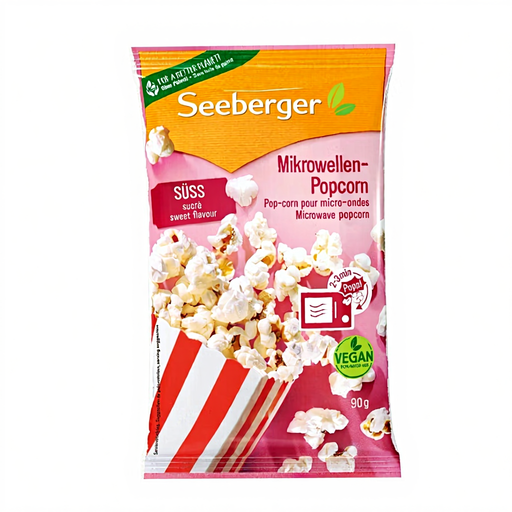 No image available
For a snack break with a microwave instead of a longer preparation process. The product name specifies 90 g. Follow the instructions on the bag and check its sugar content too. Hot steam may escape when you open it. The product information states that this variety is not suitable for children under three or for people with swallowing difficulties.
No, that isn’t true of every variety. The examples listed by EDEKA contain 4.5 g of fat per 100 g for sweet bagged popcorn and 21 g per 100 g for salty microwave popcorn. Compare the products you’re interested in on the same basis.
With popcorn kernels, you can choose how much oil and how many toppings to add. EDEKA names popping corn or pearl corn as a suitable type of corn. The nutritional values of the dry kernels alone don’t describe the finished, prepared popcorn.
Microwave popcorn may suit you if you have a suitable microwave and follow the instructions on the bag. Preparation time depends on the product and the power of your appliance. Be sure to check the fat, sugar and salt content for the variety you choose.
If you have allergies, check the ingredients, allergens and precautionary allergen labelling on the specific pack. REWE also warns that Heimatgut popcorn may contain unpopped kernels. For products intended for young children, follow the relevant warnings.