Who needs to know the difference?

People with a specific protein target

You want your snack to make a measurable contribution to your protein intake, even after exercise. As well as the number of grams, it’s important to know how much of the total energy comes from protein. The German Federal Centre for Nutrition explains this distinction in relation to the ‘high protein’ claim.

Popcorn fans who pay attention to the recipe

You want to keep snacking on popcorn while comparing sugar, fat, salt and portion sizes. If you make popcorn yourself, you can choose the oil and seasoning. For ready-made products, check the nutritional information for the specific variety.

People looking for a quick snack

You’re choosing between ready-to-eat popcorn and another type of snack. If protein is your main priority, check the nutritional information for the product you’re considering rather than relying on its name or format alone.

What should you look for when buying?

First decide whether you mainly want to snack on popcorn or deliberately boost your protein intake. Then compare the nutritional values per 100 g. If you make popcorn yourself, remember that the oil and other ingredients count towards the finished portion too.

Criterion What to check when buying Who it matters to
Protein content Compare protein and energy per 100 g. According to the German Federal Centre for Nutrition, a ‘high protein’ claim requires at least 20% of the energy to come from protein. If I want my snack to make a deliberate contribution to my protein intake, seeing ‘protein’ on the front isn’t enough to help me decide. Around 50% of consumers put this verifiable protein contribution first.
Recipe For ready-made popcorn, compare sugar, fat and salt per 100 g. If you make it yourself, take the oil and toppings into account. I want to snack on popcorn but choose how sweet or salty my portion is. For around 30% of consumers, having this control comes first.
Snack format If popcorn isn’t essential, check the nutritional information for an alternative snack using the same quantity for comparison. For a quick, easy-to-grab snack, a clearly stated protein contribution matters more to me than popcorn’s texture. This is the main reason to buy for around 20% of consumers.

Common buying misconceptions

  • ‘Protein’ in the name means ‘high protein’

    These terms don’t mean the same thing. The German Federal Centre for Nutrition says that ‘high protein’ requires at least 20% of the total energy to come from protein. funny-frisch lists 21 g of protein and 443 kcal per 100 g for its Protein Chips Barbecue Style. That works out at around 19% of the energy coming from protein.

    Always compare protein and energy for the same quantity before judging a snack based on a protein claim.

  • Counting sweet popcorn as a source of protein

    EDEKA lists 6.4 g of protein and 30 g of sugar per 100 g for GUT&GÜNSTIG sweet popcorn. According to EDEKA, EDEKA Herzstücke cream caramel popcorn contains 2.6 g of protein and 51.7 g of sugar per 100 g.

    Choose these varieties for their flavour and portion size, not as a substitute for a snack where protein is the main focus.

  • Choosing microwave popcorn based on protein alone

    According to EDEKA, GUT&GÜNSTIG salted microwave popcorn contains 8.1 g of protein, but also 21 g of fat and 2.5 g of salt per 100 g. One nutritional value doesn’t tell you everything about the recipe.

    Compare the nutritional information for the specific variety and check how much you’ll actually prepare.

  • Assuming an online product listing matches the packet

    Online nutritional information may differ from the details on the actual packet; EDEKA points this out in its product information.

    When you buy, check the ingredients list and nutritional information on the packet.

Brands to help you choose

EDEKA / GUT&GÜNSTIG und EDEKA Herzstücke

EDEKA publishes nutritional information for several popcorn varieties, including sweet, caramelised and salted microwave popcorn.

  • The listed values for protein, sugar, fat and salt make it possible to compare specific varieties.
  • Based on EDEKA’s nutritional information, the three varieties mentioned do not meet the threshold for ‘high protein’ outlined by the German Federal Centre for Nutrition. When buying, refer to the information on the individual packet.

funny-frisch

Protein Chips Barbecue Style is a crunchy snack format outside the popcorn category.

  • funny-frisch lists 21 g of protein per 100 g for this variety.
  • At 443 kcal per 100 g, the calculated proportion of energy from protein is around 19% — below the ‘high protein’ threshold set out by the German Federal Centre for Nutrition.

REWE

REWE sells popcorn and popcorn kernels in its online shop. REWE PWR is a separate product range featuring protein snacks and protein powders.

  • If you want to make popcorn yourself or compare it with a different type of snack, you’ll find a range of product categories here.
  • The products REWE named when it launched the PWR range in September 2026 were bars and protein powders, not popcorn. Check the specific variety and its nutritional information before you buy.

ALDI Nord

Among its protein-focused foods, ALDI Nord lists bars, skyr and pulses.

  • These categories offer alternatives to compare if the popcorn format isn’t essential to your snack choice.
  • The product range overview alone doesn’t confirm that a specific popcorn is ‘high protein’. Compare the nutritional information for the product you want to buy.

Lorenz

Lorenz offers a range of savoury snack lines, including Crunchips, ErdnußLocken and Saltletts.

  • The product categories make it easier to distinguish popcorn from other savoury snacks.
  • You can’t determine the protein content of a specific product from the brand or snack category alone. Check its nutritional information instead.

Snack formats on Joybuy

These products are bars, flips and chocolate rather than popcorn. They’re worth considering if you’re happy with a different snack format. To assess their protein content, compare the nutritional information on the individual packet.
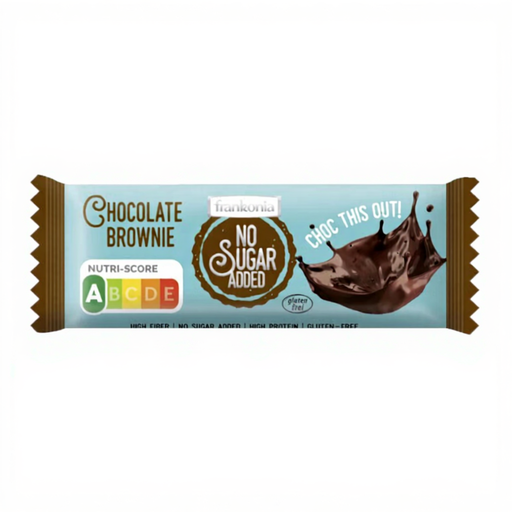
Frankonia Sugar Free Nutrition Bar Chocolate Brownie, 50 g

Frankonia Sugar Free Nutrition Bar Chocolate Brownie, 50 g

A bar for anyone who’d prefer a conveniently portioned snack to popcorn. The product name specifies 50 g. Check the nutritional information, ingredients and allergen advice on the packet to decide if it’s right for you.

View on Joybuy
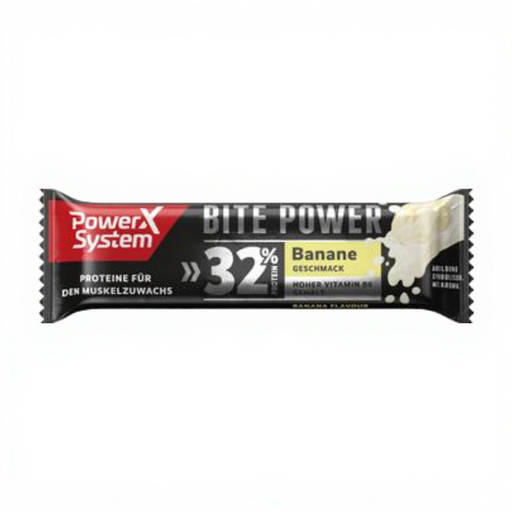
Power System 32% Protein Bite Power, banana, 35 g

Power System 32% Protein Bite Power, banana, 35 g

A banana-flavoured bite for anyone looking for an alternative to popcorn. The product name specifies 35 g. Check the nutritional information to assess its protein content, and read the ingredients and allergen advice on the packet.

View on Joybuy
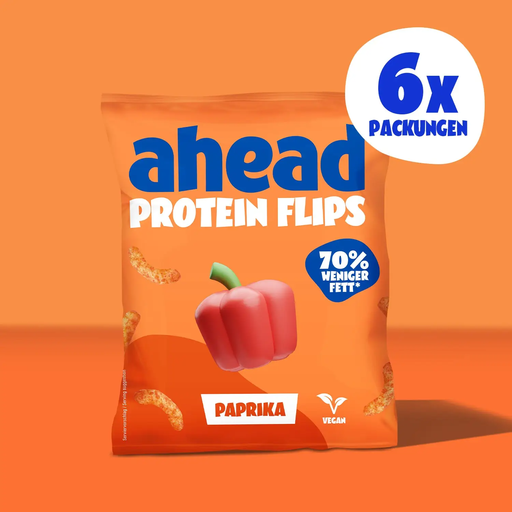
ahead Protein Flips paprika, tray of 6 × 50 g

ahead Protein Flips paprika, tray of 6 × 50 g

Savoury flips for anyone who cares more about a crunchy snack than the popcorn format. The product name specifies six 50 g packs. Compare protein, energy and salt on the actual packet.

View on Joybuy
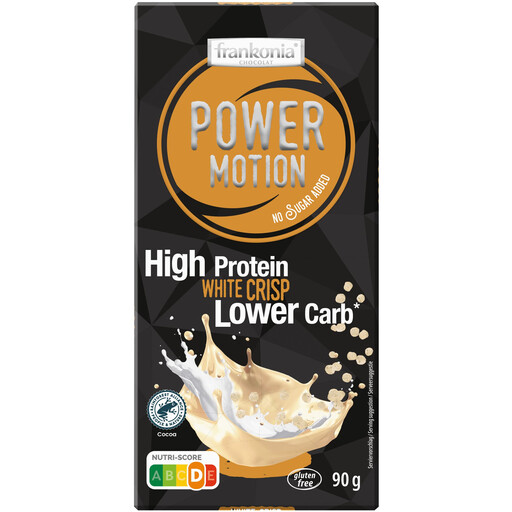
Frankonia Chocolat Power Motion White Crisp Chocolate, 90 g

Frankonia Chocolat Power Motion White Crisp Chocolate, 90 g

White crisp chocolate for when you fancy a sweet snack instead of popcorn. The product name specifies 90 g. Compare protein and energy using the same quantity, and check the ingredients and allergen advice on the packet.

View on Joybuy

Frequently asked questions

When can popcorn be called ‘high protein’?

For a ‘high protein’ claim in Germany, at least 20% of the energy must come from protein, explains the German Federal Centre for Nutrition. Compare protein and energy per 100 g. The number of grams of protein or the product name alone won’t answer the question.

Is regular popcorn a good way to get a protein boost after exercise?

The popcorn examples compared here are better suited to snacking than to providing a deliberate protein boost. EDEKA lists 2.6 to 8.1 g of protein per 100 g for three packaged varieties. Based on their nutritional values, none meets the ‘high protein’ threshold outlined by the German Federal Centre for Nutrition.

What can you control when making popcorn at home?

When you make popcorn at home, you choose how much oil and how many other ingredients to use. EDEKA’s air fryer recipe uses 120 g of popcorn kernels and two teaspoons of oil for four portions; according to the recipe, each portion contains 3 g of protein. If you’re looking for a bigger protein boost, consider adding another food or type of snack too.

What should I compare in sweet or salted popcorn?

For sweet popcorn, pay particular attention to sugar. For salted microwave popcorn, check fat and salt too. Compare all values per 100 g. EDEKA’s examples have quite different recipes; the packet for the variety you choose is the definitive source for ingredients, allergens and final nutritional values.