If you’re having popcorn as a late-night snack and want to control how much fat it contains, making it yourself from popping corn gives you the most control over the amount of oil you add. Microwave popcorn saves on preparation, while ready-to-eat popcorn needs no preparation at all. For both, it’s worth comparing fat, sugar and salt per 100 g. However, making popcorn yourself doesn’t automatically make it low in fat – the amount of oil you use matters too.
Which option is right for you?
If you’re keeping an eye on fat
If you fancy popcorn late at night and want to control how much oil you add, popping corn is one option. Compare the fat content per 100 g, and distinguish between a relative reduction in fat and a product described as ‘low fat’.
If you’re short on time to prepare it
If you want to make popcorn in the microwave, check the instructions for both the appliance and the pack before buying. A pre-portioned bag saves you effort, but gives you less control over the oil and seasoning.
If you’re weighing up sweet varieties
If you’re looking for ready-to-eat sweet or sweet-and-salty popcorn, compare sugar and salt per 100 g as well as fat. Descriptions such as ‘air-popped’ or ‘organic’ don’t replace checking the nutritional information.
What should you look for when buying?
If you’re having popcorn as a late-night snack and keeping an eye on fat, the first thing to consider is how it’s prepared. You can then compare the ingredients and nutritional values on the same basis.
Make your own popcorn from popping corn
A good choice if: You want to measure out the oil, sugar and salt yourself.
The trade-off: Preparation and keeping an eye on the kernels as they pop take time. The fat content of the finished popcorn also depends on how much oil you add.
Microwave popcorn
A good choice if: You want to keep preparation time to a minimum and have a suitable microwave.
The trade-off: The recipe is fixed. For example, REWE lists Seeberger salted microwave popcorn as containing 16 g of fat and 1,8 g of salt per 100 g.
Ready-to-eat popcorn
A good choice if: You want to skip preparation altogether.
The trade-off: Even a variety that looks light and fluffy can contain notable amounts of fat, sugar or salt. REWE lists Heimatgut Bio Airpops Salted Caramel Style as containing 16 g of fat, 21 g of sugar and 1,8 g of salt per 100 g.
| Consideration |
What to check |
Who it matters to |
| Fat content |
Compare fat per 100 g. For ‘less fat’, also check which product is used for comparison; for solid foods, Lebensmittelklarheit defines ‘low fat’ as no more than 3 g of fat per 100 g. |
I mainly want to keep an eye on the fat content of my popcorn and decide for myself how much oil to use. This is the top priority for around 45 % of consumers. |
| Preparation time |
For microwave popcorn, check the pack instructions against your appliance; for popping corn, consider what equipment you’ll need to prepare it. |
When it’s late, I don’t want to spend ages in the kitchen. Around 33 % of consumers prioritise ease of preparation when choosing. |
| Sugar and salt |
For sweet and savoury varieties, compare sugar and salt per 100 g, as well as fat and energy. |
When choosing a sweet or sweet-and-salty variety, I don’t want to make my decision based on fat alone. Sugar and salt are the top priority for around 22 % of consumers. |
Common buying mistakes
-
Assuming ‘less fat’ means ‘low fat’
A lower fat content than another product doesn’t tell you how much fat the popcorn actually contains. For solid foods, Lebensmittelklarheit defines ‘low fat’ as no more than 3 g of fat per 100 g.
Use the per-100 g figure to compare products, and check what a product is being compared with when you see a relative claim.
-
Focusing only on fat in air-popped or organic popcorn
For Heimatgut Bio Airpops Salted Caramel Style, REWE lists 21 g of sugar and 1,8 g of salt per 100 g, as well as 16 g of fat. Product descriptions alone don’t give you the full nutritional picture.
For sweet varieties, compare fat, sugar, salt and energy on the same basis.
-
Buying microwave popcorn without checking the instructions
Preparation depends on the instructions on the pack and the appliance you’re using. Steam may escape when you open a hot bag.
Check the appliance requirements before buying, and follow the pack instructions when heating and opening the bag.
Brands and retailers to consider
Seeberger
Seeberger sells popping corn and microwave popcorn – two types of product that take different amounts of effort to prepare.
- With popping corn, you can choose how much seasoning to add.
- REWE lists its salted microwave popcorn as containing 16 g of fat and 1,8 g of salt per 100 g; these figures don’t apply to all Seeberger products.
Heimatgut
Heimatgut offers ready-to-eat popcorn, including air-popped varieties.
- Ready-to-eat products need no preparation.
- For Bio Airpops Salted Caramel Style, REWE lists 16 g of fat, 21 g of sugar and 1,8 g of salt per 100 g. Other varieties should be judged using their own nutritional information.
REWE
Here, REWE is a retailer where you can compare different types of popcorn, not a reference to its own popcorn brand.
- Its online range includes popping corn, microwave popcorn and ready-to-eat varieties to compare.
- You can only tell whether a particular variety meets your fat target by checking its own nutritional information.
Joybuy products for making popcorn and snacking
This selection includes popping corn and a hot-air machine for making your own popcorn, as well as a sweet popcorn product. First, decide whether you’d rather measure out the ingredients yourself or choose a ready-prepared product.
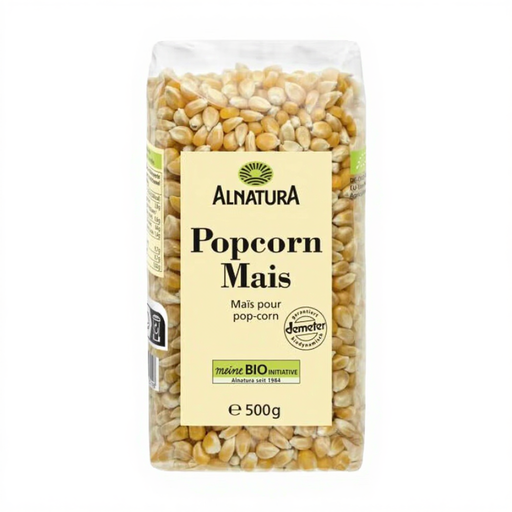 Image unavailable
Alnatura Organic Popping Corn Kernels, 500 g
These popping corn kernels are a good option if you want to control the amount of oil and seasoning when you prepare your popcorn.
The pack contains 500 g. The fat content of the finished popcorn also depends on whether you add oil, and how much.
View at Joybuy
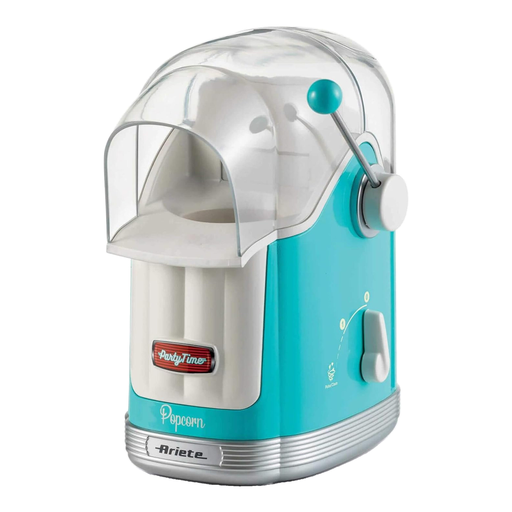 Image unavailable
Ariete Party Time 2958 hot-air popcorn maker, 600 g capacity
This machine is suited to making your own popcorn with hot air, so you can add your own seasoning afterwards.
It’s a popcorn maker, not a ready-to-eat snack. Before buying, check whether popping corn is included and where you can set up the machine safely.
View at Joybuy
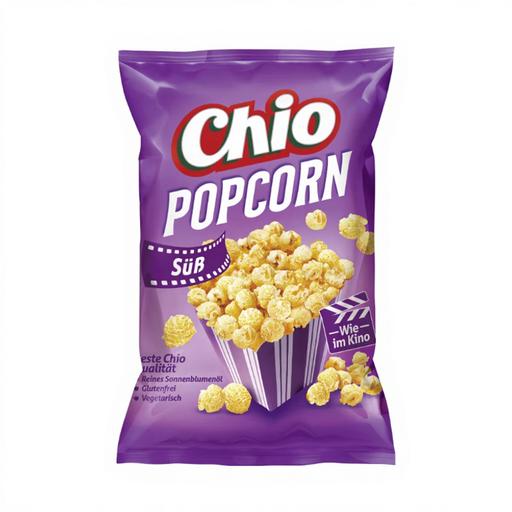 Image unavailable
Chio Sweet Popcorn, 120 g
This sweet variety is worth considering if you’d prefer a set recipe to seasoning popcorn yourself.
The pack contains 120 g. To help meet your fat target, compare the sugar and fat per 100 g on the pack too; check the appliance and safety instructions there before preparing it.
View at Joybuy
Frequently asked questions
What does ‘low fat’ mean for popcorn?
For solid foods, Lebensmittelklarheit defines ‘low fat’ as no more than 3 g of fat per 100 g. ‘Less fat’, on the other hand, describes a comparison and doesn’t by itself mean that this limit is met. So check the nutritional information for the specific product.
Is microwave popcorn lower in fat than popcorn you make yourself?
Not necessarily: REWE lists Seeberger salted microwave popcorn as containing 16 g of fat per 100 g. When you make popcorn yourself, you can control how much oil you use, so the fat content of the finished snack also depends on that amount.
What should I compare in sweet air-popped popcorn?
Compare sugar and salt per 100 g as well as fat. For Heimatgut Bio Airpops Salted Caramel Style, REWE lists 16 g of fat, 21 g of sugar and 1,8 g of salt per 100 g; other varieties have their own nutritional values.
What should I bear in mind when preparing microwave popcorn?
Follow the instructions on the individual bag and use the settings recommended for your microwave. Keep an eye on the popping, and open the hot bag carefully so escaping steam doesn’t hit your hands or face.


