What should you look for when buying?
First, choose a preparation method that works with your morning routine. Then compare the nutritional information per 100 g for similar popcorn products, and think about how much of the prepared snack you will actually put in the lunchbox.
| What to consider |
What to check |
Who it matters to |
| Energy and seasoning |
For comparable products, check the energy, sugar, fat and salt per 100 g; also allow for any ingredients you add yourself and the amount you pack. |
I want to know what else is in my portion besides corn, and decide the size of my snack myself. This is a priority for around 40% of consumers. |
| Space in the lunchbox |
Plan popcorn as one part of a snack, leaving room for other foods such as fruit or vegetables. |
I don't want the break-time snack to consist only of something crunchy; I want to pack other foods too. This is the main concern for around 30% of consumers. |
| Preparation |
Check which appliance you will need and read the pack instructions; allow time to prepare and cool the popcorn before packing it. |
Preparation needs to fit into our morning routine, and the popcorn needs to be ready to go in the lunchbox. Around 20% of consumers focus mainly on this. |
| Ingredients and allergens |
Read the current ingredients list, allergen information and any precautionary warnings for the specific product. |
If I have an allergy or follow a particular diet, I need to check the labelling on the pack I choose. This is the most important reason for buying for around 10% of consumers. |
Brands to help you choose
The differences here relate to specific popcorn kernel and microwave products, not to each brand’s entire range.
dmBio
dmBio popcorn kernels are an unseasoned base, ideal if you want to add the ingredients for your lunchbox at home.
- dm-drogerie markt says this product is made from 100% organic popcorn kernels and contains no flavourings.
- The kernels need to be heated thoroughly. The product information mentions possible traces of milk, soya, sesame and cereals containing gluten, among others.
Alnatura
Alnatura offers popcorn kernels to prepare at home, so you can choose the type and amount of seasoning yourself.
- For its unprepared popcorn kernels, Alnatura lists 344 kcal, 1.4 g sugar and 3.8 g fat per 100 g.
- This product may contain traces of gluten, soya, milk, nuts, sesame and lupin, among other allergens. The figures for unprepared kernels do not automatically apply to the finished portion.
Seeberger
Seeberger offers both popcorn kernels to prepare yourself and ready-to-use microwave varieties for different routines at home.
- Seeberger says its popcorn kernels can be prepared in a pan or a popcorn maker.
- Instructions vary by product: Seeberger says its caramel microwave variety is not suitable for a popcorn maker because of the bag and the oil it contains.
Popcorn kernels to prepare at home
These popcorn kernel products are suitable for preparing before school if you want to choose the seasoning yourself. To compare energy and portion size, check the information on the pack you choose. For some varieties, it is particularly important to confirm the pack size and labelling before buying.
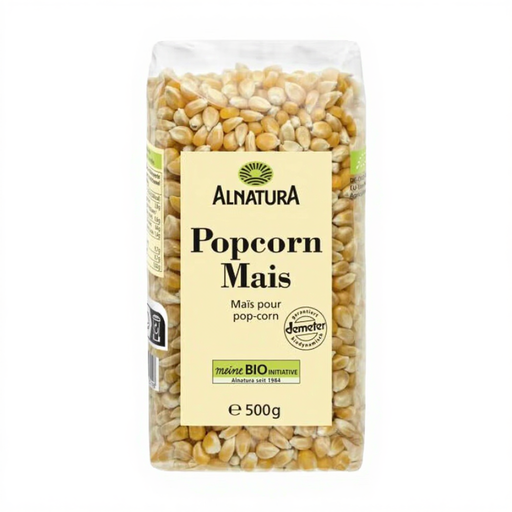 Image unavailable
Alnatura Organic Popcorn Kernels, 500 g
For a lunchbox where you want to choose the seasoning yourself after preparing the popcorn. Alnatura lists 344 kcal and 1.4 g sugar per 100 g for its unprepared popcorn kernels; added ingredients will change the figures for the finished portion. If you have allergies, check the labelling on the pack you choose.
View at Joybuy
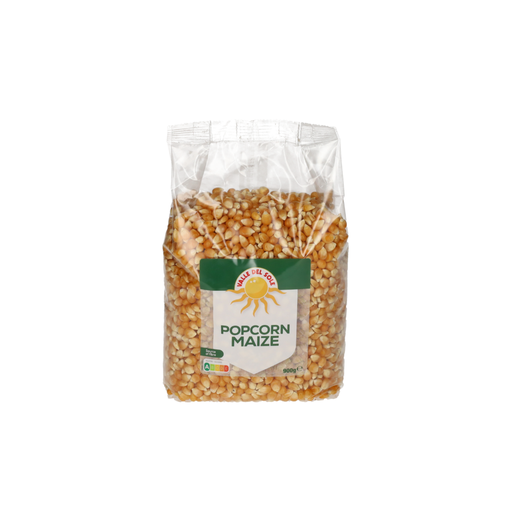 Image unavailable
Valle del Sole Butterfly Popcorn Kernels
Popcorn kernels for anyone who wants to prepare and season their own snack before school. If energy content or pack size matters to you, check the per-100 g figure and pack size on the product label. The pan preparation described uses oil, so include the amount used when comparing the finished portion.
View at Joybuy
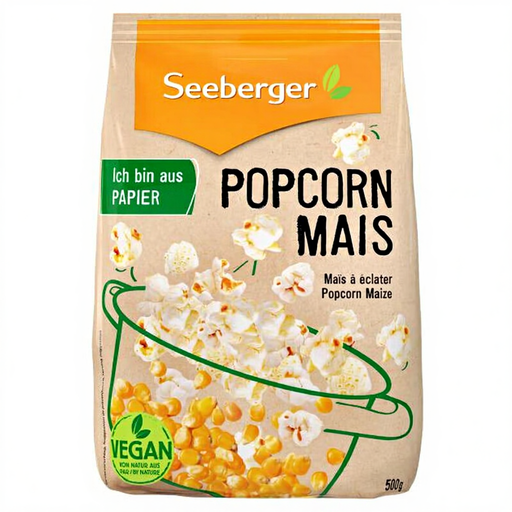 Image unavailable
Seeberger Popcorn Kernels
A corn base for preparing popcorn at home and choosing the seasoning yourself. To plan your portion, check the pack size and energy content on the specific packaging. If you have allergies, the current allergen information on the pack is also important.
View at Joybuy
Frequently asked questions
Can popcorn replace school lunch or the whole break-time snack?
Popcorn on its own is not a substitute for a varied school meal. For secondary-school snacks, Schule + Essen also recommends fruit, vegetables, salad or pulses, so plan popcorn as just one part of the snack at most.
Which nutritional details are useful when comparing popcorn?
For products used in a similar way, compare the energy, sugar, fat and salt per 100 g, then consider the size of your portion. The German Food Association also lists saturated fat, carbohydrates and protein as part of nutritional labelling. If you prepare popcorn yourself, remember to include the ingredients you use.
Can unpopped popcorn kernels go straight into a lunchbox?
According to dm-drogerie markt, dmBio popcorn kernels are not intended to be eaten raw and must be heated thoroughly. Prepare popcorn kernels at home according to the relevant instructions, then leave the popcorn to cool before packing it.
Are allergen warnings important for popcorn kernels too?
Yes. If you have an allergy, check the labelling on the specific product, even when popcorn kernels are the main ingredient. Alnatura mentions possible traces of gluten, soya, milk and nuts, among other allergens, in its popcorn kernels. Always use the current label on the pack to guide your choice.


