Guests keeping an eye on fat
You’d like to serve something crunchy at your Oktoberfest get-together and are comparing the fat figures per 100 g. The flavour alone won’t help you decide.


If you’re choosing popcorn with less fat for an Oktoberfest get-together, compare the fat figures per 100 g and distinguish between ready-to-eat popcorn, microwave popcorn and kernels before preparation. EDEKA lists 4.5 g of fat per 100 g for its sweet GUT&GÜNSTIG bagged popcorn, compared with 21 g per 100 g for its salted microwave popcorn. These figures apply to two specific recipes, not every variety. With popcorn kernels, you can control the amount of oil and seasoning, but you’ll need to prepare them for your guests.
You’d like to serve something crunchy at your Oktoberfest get-together and are comparing the fat figures per 100 g. The flavour alone won’t help you decide.
When you’re preparing popcorn for a group, you can choose how much oil, salt and sugar to use, as well as how much to serve. You’ll need some time and a suitable appliance, though.
Ready-to-eat popcorn can go straight on the table. For bagged varieties, compare the nutritional information for the specific product rather than judging its fat content by its name.
For your celebration, it’s not just the preparation method that matters. First decide whether you want to serve popcorn straight away or make it yourself, then compare the figures for each specific recipe.
A good choice if: You want to serve popcorn straight away without using an appliance. EDEKA lists 4.5 g of fat per 100 g for its sweet GUT&GÜNSTIG bagged popcorn.
The trade-off: According to EDEKA, the same product contains 30 g of sugar per 100 g, and you can’t change the recipe once it’s made.
A good choice if: You want to decide how much to make, and how much oil and seasoning to use. REWE lists 3.8 g of fat per 100 g of dry Seeberger popcorn kernels.
The trade-off: The figure for dry kernels isn’t the fat content of the finished snack. Oil and toppings are added during preparation.
A good choice if: You want to prepare popcorn in portions using a suitable microwave, and the nutritional information on your chosen pack meets your needs.
The trade-off: EDEKA lists 21 g of fat and 2.5 g of salt per 100 g for its salted GUT&GÜNSTIG microwave popcorn. Quick to prepare doesn’t automatically mean lower in fat.
| Criterion | What to check | Who it matters to |
|---|---|---|
| Fat content | Compare the fat per 100 g shown on the pack. For popcorn kernels, the figure for the dry product doesn’t automatically apply to the prepared popcorn. | I mainly want to keep an eye on fat content for the celebration, so I need figures I can compare. For around 42% of consumers, this is the main consideration when buying. |
| Preparation time and effort | Check whether you want to serve it straight away or have the time and a suitable appliance to prepare it. | If I want the snack ready with no effort, serving it quickly matters more to me than controlling the amount of oil and seasoning myself. Around 33% of consumers put this first. |
| Flavour and quantity | For sweet varieties, check the sugar; for salted ones, check the salt. For all varieties, check the pack size. | I want to choose the right flavour and amount for my guests without overlooking the sugar or salt. Around 25% of consumers consider this their top priority. |
According to EDEKA, sweet GUT&GÜNSTIG bagged popcorn contains 4.5 g of fat, but also 30 g of sugar per 100 g. The fat figure doesn’t tell you about the other nutritional values.
For sweet varieties, compare fat and sugar separately. For salted varieties, the salt figure matters too.
EDEKA lists 21 g of fat and 2.5 g of salt per 100 g for its salted GUT&GÜNSTIG microwave popcorn. Other recipes may differ.
Read the nutritional information on the bag and compare products using the same measure: per 100 g.
The fat figure for popcorn kernels doesn’t include the oil and toppings you add later. EDEKA’s air fryer instructions also call for oil.
Factor in the oil and seasoning before you start, especially if you’re making several portions for your get-together.
EDEKA notes on its product pages that online information may differ from the packaging.
When you buy the product, check the ingredients, allergens and nutritional information again on the pack itself.
Popcorn kernels are an option if you want to prepare and season the popcorn for your guests yourself.
In the product information compared here, EDEKA’s own brand offers both sweet, ready-to-eat popcorn and salted microwave popcorn.
The brand offers flavoured, ready-to-eat popcorn for shoppers comparing sweet options.
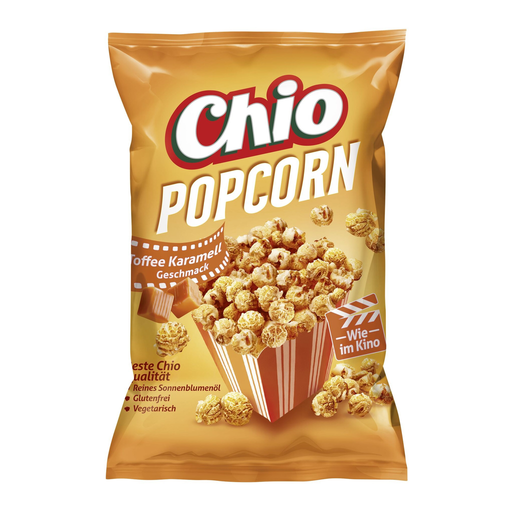
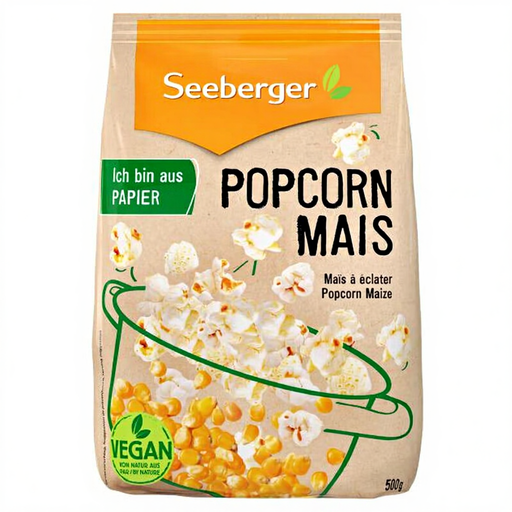
Here are two different options for an Oktoberfest get-together: sweet, ready-to-eat popcorn and kernels to prepare yourself. Check the pack information for ready-made popcorn; with kernels, the result also depends on how much oil you use.
 No image available
Ready-to-eat popcorn for when you don’t want to prepare anything for your get-together.
Pack size: 120 g. For this sweet variety, compare fat and sugar separately in the nutritional information on the pack you buy.
 No image available
Popcorn kernels for hosts who want to control the oil, seasoning and amount served.
Pack size: 500 g. REWE lists 3.8 g of fat per 100 g of dry Seeberger popcorn kernels; oil and toppings change the nutritional composition of the finished popcorn.
The product may contain traces of tree nuts and peanuts. If you have allergies, check the pack you buy.
No, the flavour alone doesn’t determine that. EDEKA lists 4.5 g of fat per 100 g for sweet GUT&GÜNSTIG bagged popcorn and 21 g per 100 g for its salted microwave popcorn. These figures apply to the two products named, not to every sweet or salted variety.
With popcorn kernels, you can choose how much oil to use and which toppings to add. The 3.8 g of fat per 100 g that REWE gives for Seeberger popcorn kernels applies to the dry product; the nutritional composition after preparation depends on what you add.
Compare the nutritional information using the same measure, especially fat, saturated fat, sugar and salt per 100 g. Also check the ingredients and, where relevant, allergen information on the pack you’re actually buying.
No, you shouldn’t assume that. The Seeberger popcorn kernels mentioned may contain traces of tree nuts and peanuts. If you have an allergy, check the information on the specific pack.