If you’re mainly looking for popcorn to snack on, compare the ingredients, portion size and nutritional information. If getting a specific amount of protein per portion is your priority, you could also consider a protein snack that isn’t popcorn. Under EU Regulation (EC) No 1924/2006, a food must get at least 20% of its energy from protein to be described as “high in protein”. Based on the figures provided by More Nutrition, More Chunky Popcorn contains 10 g of protein and 396 kcal per 100 g, which works out at around 10.1% of its energy from protein. A protein bar is therefore not simply an equivalent popcorn option, but a different choice with its own ingredients and allergens.
Who might this decision matter to?
Active people keeping an eye on their protein intake
If you’re planning a snack for when you’re out and about, the amount of protein per portion matters more to you than the classic popcorn experience. A snack should always be considered in the context of the rest of your diet.
Popcorn fans checking the nutritional information
You’re looking for popcorn to snack on during a film, at work or to keep in the cupboard. As well as portion size, you’re interested in the sugar, fibre and protein figures.
Health and beauty shoppers checking ingredients
You’re planning to shop at dm or Rossmann and want to check the ingredients, allergens and sweetener information for the specific product. If you’re shopping in store, its current stock is important too.
What should you look for when buying?
First decide whether you’re looking for popcorn itself or a stated amount of protein per portion. Then compare the nutritional information and ingredients for each type of snack.
| What to consider |
What to check |
Who it matters most to |
| Protein content |
Compare protein and energy using the same basis, and check the amount of protein per portion too. Under EU Regulation (EC) No 1924/2006, at least 20% of a food’s energy must come from protein for it to be described as “high in protein”. |
If I’m choosing a snack for its protein content, I want to know how much the portion I actually eat provides. This is the main priority for around 50% of consumers. |
| Popcorn and nutritional information |
For popcorn, compare sugar, fibre, protein and energy per 100 g, as well as the portion size. |
When I’m snacking, popcorn itself is what matters to me. I also don’t want to judge sugar and fibre based on the front of the pack alone. This is the top priority for around 30% of consumers. |
| Ingredients and where to shop |
Check the allergen information, sweeteners and warnings on the specific product. If you’re shopping at a health and beauty retailer, check stock at your chosen store. |
If certain ingredients aren’t suitable for me, I’ll check the label before deciding and plan my shopping accordingly. This is the main priority for around 20% of consumers. |
Which common mistakes can you avoid?
-
Assuming “protein” means “high in protein”
A protein figure in grams alone doesn’t meet the requirements for a “high in protein” claim. Under EU Regulation (EC) No 1924/2006, at least 20% of the energy value must come from protein.
Compare protein and energy on the same basis. Using the figures provided by More Nutrition, More Chunky Popcorn contains 10 g of protein and 396 kcal per 100 g, which works out at around 10.1% of its energy from protein.
-
Confusing popcorn flavour with popcorn itself
A popcorn-flavoured bar is still a bar. Its portion size, ingredients and texture differ from a bag of popcorn.
Before comparing, decide whether you want popcorn to snack on or a clearly stated portion of protein.
-
Overlooking allergens and sweeteners when stocking up
According to dm, the Sportness protein bar with popcorn salted caramel flavour contains milk and soya. dm also warns that excessive consumption may have a laxative effect.
Check the ingredients, allergen information and warnings on the specific variety before buying several packs.
-
Assuming an online product listing means it’s in store
A product page you can see online doesn’t tell you whether the snack you want is in stock at your local health and beauty store.
Select your chosen store and check its current stock information before you set off.
Brands to consider
More Nutrition
More Chunky Popcorn is an option if you want to check the nutritional information for a savoury snack without choosing it simply for its protein content.
- More Nutrition lists 10 g of protein and 396 kcal per 100 g for Chunky Popcorn.
- That works out at around 10.1% of its energy from protein, below the 20% threshold for “high in protein” set out in EU Regulation (EC) No 1924/2006.
Sportness
The protein bar with popcorn salted caramel flavour is an alternative for anyone who values the stated protein content more than having popcorn itself.
- dm lists 30 g of protein per 100 g for the 40 g bar, which works out at 12 g per bar.
- The bar contains milk and soya. dm also warns that excessive consumption may have a laxative effect.
Heimatgut
Heimatgut Organic Sweet Popcorn is worth considering if you’re looking for classic popcorn to keep in the cupboard, rather than a product chosen for a protein claim.
- Rossmann describes this specific variety as organic and vegan.
- Rossmann notes that unpopped corn kernels may be present, so take care when eating it.
Protein snacks at Joybuy
This selection features portion-sized alternatives for your snack cupboard if you’re open to something other than popcorn. Neither product is popcorn. To compare protein content, check the nutritional information on the specific pack.
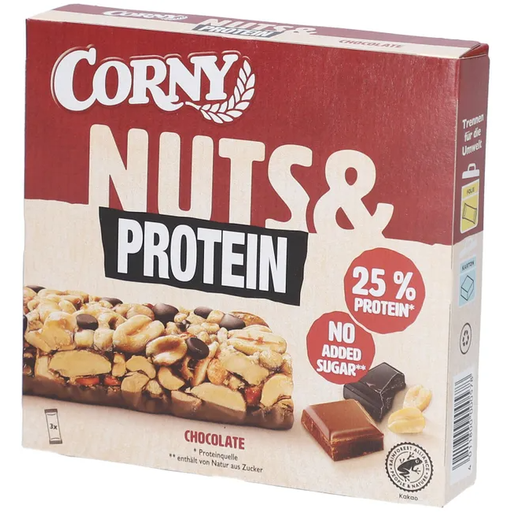 Image unavailable
Corny Corn-Nut-Protein Chocolate with Corn, 3 × 35 g
A portion-sized alternative for when you’re out and about and don’t need a popcorn snack. The pack contains three 35 g portions.
Check the protein per portion, along with the ingredients, allergens and sweeteners on the specific pack.
View at Joybuy
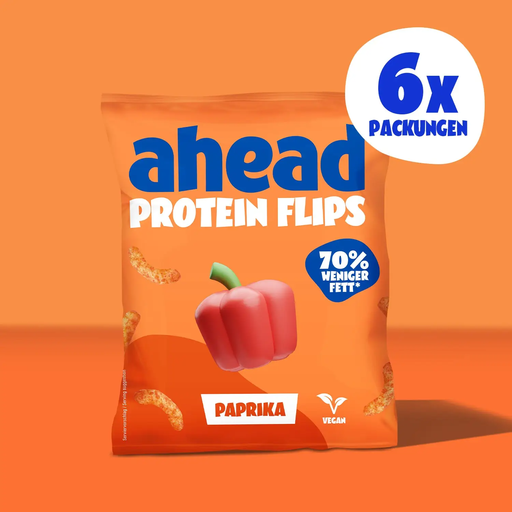 Image unavailable
ahead Protein Flips Paprika, 6 × 50 g
A paprika-flavoured flips snack for when popcorn isn’t a must. The pack contains six 50 g bags.
Compare the nutritional information per bag and check the ingredients of the specific variety.
View at Joybuy
Frequently asked questions
When can popcorn be described as “high in protein”?
Under EU Regulation (EC) No 1924/2006, at least 20% of its energy value must come from protein. The protein figure in grams alone doesn’t answer this question.
Does More Chunky Popcorn meet this requirement?
Based on the figures provided by More Nutrition—10 g of protein and 396 kcal per 100 g—More Chunky Popcorn gets around 10.1% of its energy from protein. It therefore falls short of the EU threshold of 20% for a “high in protein” claim. You can still decide whether it suits you as a popcorn snack by checking the ingredients, portion size and nutritional information.
Is a popcorn-flavoured protein bar a substitute for popcorn?
Only if a portion-sized protein snack matters more to you than having popcorn itself. According to dm, the Sportness bar with popcorn salted caramel flavour contains 30 g of protein per 100 g, which works out at 12 g per 40 g bar. It also contains milk and soya. dm warns that excessive consumption may have a laxative effect.
Do I automatically need a high-protein snack for sport?
No. The Verbraucherzentrale explains that even competitive athletes can meet their protein requirements with everyday foods that are high in protein. So choosing a snack isn’t just about seeing the word “protein” on the pack; it’s about how its portion fits into the rest of your diet.


