
Lieferung heute & morgen

Qualitätsgarantie

Willkommens-Angebote freischalten: KOSTENLOSE Lieferung | Bis zu 80 % RABATT | Kostenlose 30-Tage-JoyPlus-Testphase
App herunterladen
Blackheads, shiny skin and visible pores can quickly lead to buying the wrong products. Many promise an especially thorough cleanse, but are too harsh for daily use or simply don’t suit your skin type. When it comes to pore care for blackheads, a suitable, consistent routine matters more than dramatic instant results.
Pores cannot be permanently closed. However, less sebum, a smoother skin surface and sufficient hydration can temporarily make your complexion look more even. Claims such as “pores become permanently invisible” should therefore be treated with caution.
A facial cleansing foam that lathers heavily, frequent exfoliation or daily pore strips can contribute to tightness, redness and dryness. This is particularly true for sensitive or blemish-prone skin. A thorough cleanse shouldn’t automatically leave your skin feeling squeaky clean.
With pore strips or mechanical pore cleansers, removed sebum filaments are often immediately visible. That doesn’t necessarily mean that pores have been permanently cleansed or “minimised”. If you want to remove blackheads, don’t judge products solely by the visible results immediately after use.
Cleansing formulas and gentle chemical exfoliants can be useful for oily skin. For sensitive skin, a skin-friendly pH, mild surfactants and minimal friction are more important.
A facial pore cleanser should suit your skin and how you plan to use it:
Check the full INCI list on the packaging. Products for blemish-prone skin may contain salicylic acid, also known as BHA, clay, activated charcoal or gentle acids, for example. These ingredients aren’t equally suitable for every skin type.
If you have sensitive skin, pay particular attention to fragrance, alcohol and strongly degreasing surfactants. Product descriptions don’t replace the information on the current packaging, as formulas can change.
A clay pore mask is generally not intended for daily use. Pads, nose strips and mechanical tools should also be used only a limited number of times. Removing blackheads too often can irritate the skin.
Before using a product for the first time, it’s a good idea to do a patch test on a small area of skin. Stop using it if you experience burning, redness, itching or persistent irritation. Don’t use these products on damaged, inflamed or sun-exposed skin.
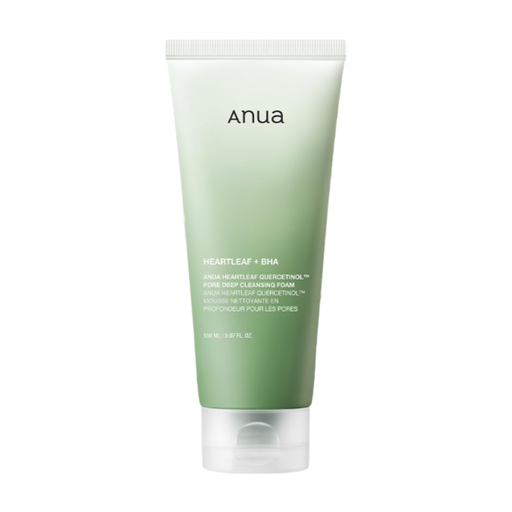
Why this product suits this profile: The 150 ml size is designed for regular facial cleansing. According to the product description, the foam contains heartleaf extract, panthenol and allantoin, as well as salicylic acid. This makes checking the INCI list particularly important if you have sensitive skin.
The product information lists specific ingredients and directions for use, rather than relying solely on general promises. If a product contains acids, start using it gradually.
150 ml, a creamy lather and several moisturising ingredients, according to the product information.
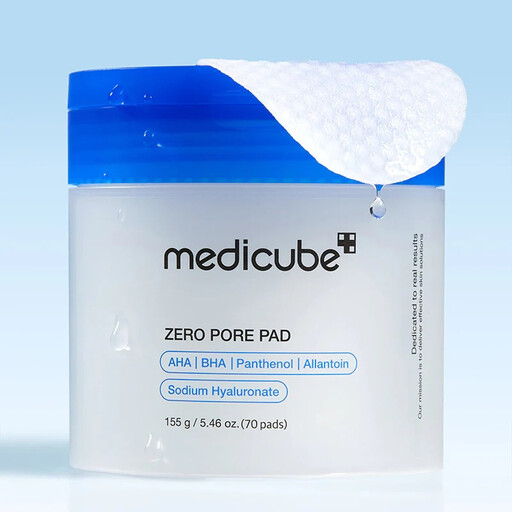
Why this product suits this profile: The pack contains 70 pads and is designed to form part of a structured routine after cleansing. According to the product description, it contains PHA, panthenol and purslane extract. Use one textured side and one smooth side.
The product description classifies PHA as a milder type of acid. Even so, avoid using several exfoliants at the same time to prevent unnecessary friction and overdoing your skincare routine.
70 pads, two different pad surfaces and PHA, according to the product information.
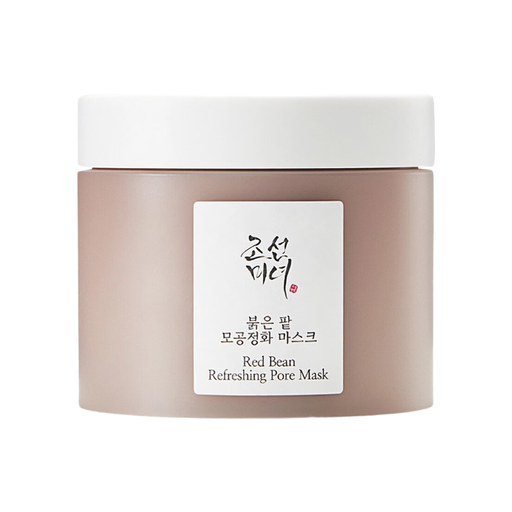
Why this product suits this profile: According to the product description, the mask combines kaolin with red bean powder and extract. Apply it after cleansing, leave it on for 5 to 10 minutes, then rinse it off. It’s a good option if you don’t want a specialist cleanser in your daily routine.
The recommended leave-on time helps you use the mask in a controlled way. If you have dry or sensitive skin, start by applying it only to oilier areas of your face.
140 ml, kaolin and red bean ingredients according to the product information, and a leave-on time of 5 to 10 minutes.
We’ve put together a complete, regularly updated list of products that meet these strict selection criteria and fully comply with the safety regulations in force in the EU.
A simple routine can help you avoid overdoing it:
Korean and Japanese skincare offer plenty of formulas for different skin types. But it’s the ingredients, amount, directions for use and how well your skin tolerates a product that matter — not where it comes from or how the packaging looks.
You can cleanse gently in the morning and evening. Exfoliants, pore masks and nose strips should only be used according to the product instructions and your skin’s reaction. If you experience burning or severe dryness, it’s a good idea to take a break.
A consistent cleansing routine for blemish-prone skin, plenty of hydration and sun protection during the day can help your complexion look better cared for. Skincare for enlarged pores can temporarily refine their visible appearance, but it can’t permanently change their size.
Not necessarily. Adhesives, alcohol and the action of peeling off a strip can put extra stress on sensitive or irritated skin. If you’re prone to redness, gentle cleansing and carefully used PHA products are generally easier to control. If skin problems persist, seek advice from a dermatologist.