
Lieferung heute & morgen

Qualitätsgarantie

Willkommens-Angebote freischalten: KOSTENLOSE Lieferung | Bis zu 80 % RABATT | Kostenlose 30-Tage-JoyPlus-Testphase
App herunterladen
Enlarged pores, blackheads, and an oily sheen—many people with oily or combination skin are familiar with these challenges. The pore cleanser market promises a quick fix, but the selection is vast, and not every product delivers on its promises. As a Joybuy Product Recommendation Officer, I see daily which products truly perform and where the most common pitfalls lie. This guide will help you distinguish marketing hype from real results and find a cleanser that suits your skin type.
Before we turn to effective solutions, it's important to understand the typical mistakes that often lead to disappointment and skin irritation.
To avoid a bad purchase, you should pay attention to three technical aspects that determine a cleanser's quality and effectiveness.
Surfactants are responsible for the cleansing action. Instead of relying on harsh sulfates, look for formulations with milder alternatives. These cleanse thoroughly without compromising the skin barrier. Check ingredient lists (INCI) for terms like:
A good cleanser for blemish-prone skin strikes the right balance between effective cleansing and maintaining skin health.
A single ingredient is rarely the answer. A well-thought-out combination of different active ingredients often achieves better results.
The skin's surface has a natural, slightly acidic pH of about 4.7 to 5.75. This "acid mantle" fends off harmful microorganisms. A good cleanser should have a similar pH to avoid disrupting this balance. Products that are highly alkaline (high pH) can weaken the skin barrier, making it more susceptible to dryness and blemishes.
Based on the criteria above, we have identified several products that are particularly well-suited for specific user profiles.
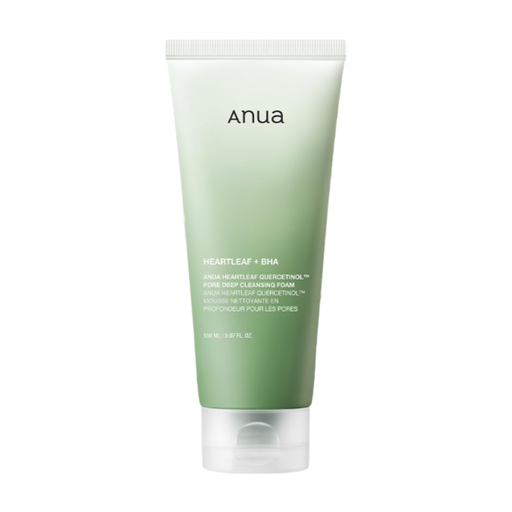
Why This Fits Their Persona: Ideal for those whose skin reacts quickly to harsh products with redness and dryness, but who still need an effective solution for clogged pores. The formula is a prime example of a modern K-Beauty cleanser.
It bypasses the trap of harsh formulations by using mild, amino acid-based surfactants and a high concentration of soothing Houttuynia Cordata Extract (33%). The skin is cleansed thoroughly, but not aggressively.
Combines pore-clearing Salicylic Acid (BHA) with the soothing active ingredient Quercetinol. Its creamy texture creates a dense foam that doesn't dry out the skin.
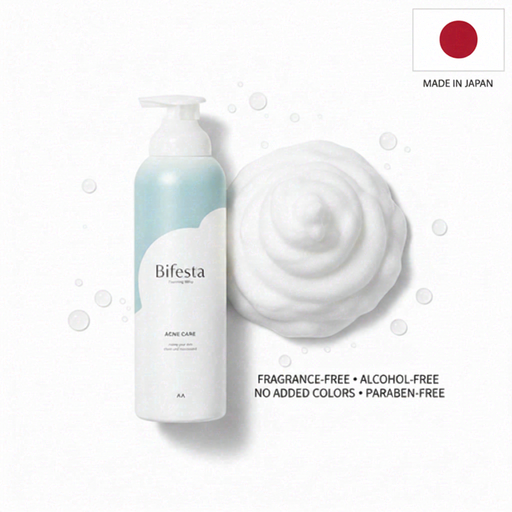
Why This Fits Their Persona: Suitable for users looking for a targeted wash gel for pimples and blackheads who prefer a friction-free cleanse to avoid further irritating existing inflammation.
Instead of relying solely on an exfoliating active, this product uses a medicated-style formula with antibacterial and anti-inflammatory ingredients that specifically target the root causes of acne.
The ultra-dense, carbonated micro-foam from the dispenser allows for a nearly touch-free cleanse, minimizing mechanical irritation. Hyaluronic Acid prevents the skin from drying out.
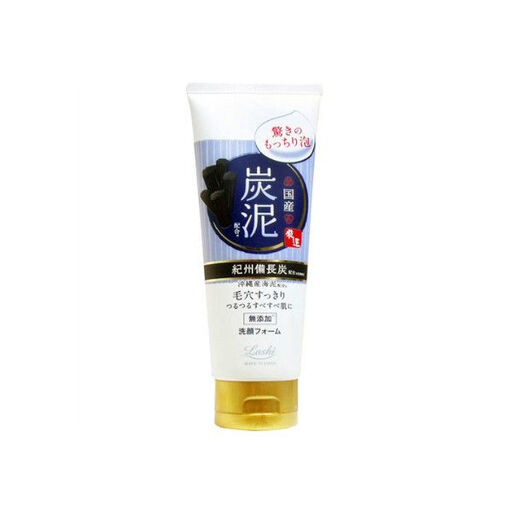
Why This Fits Their Persona: Perfect for those who prefer a straightforward yet effective deep cleanse with proven, natural adsorbent ingredients and want to avoid chemical exfoliating acids.
Instead of relying on vague botanical promises, this cleanser uses the proven adsorbent properties of Kishu Binchotan Charcoal and Okinawa Kucha Marine Silt to free pores from sebum and impurities.
The formula focuses on two core tasks: sebum absorption via charcoal and impurity removal via clay. The rich foam ensures a gentle application.
We've compiled a complete, up-to-date list of products that fully meet these strict selection criteria.
For most pore cleansers, using them once or twice daily (morning and evening) is recommended. However, if your product contains active exfoliating ingredients like BHA, it may be wise to start with once-a-day use, or even every other day. This allows your skin to acclimate to the active ingredient and lets you check for tolerance. Always follow the usage instructions on the specific product.
Pore size is primarily genetic and cannot be permanently changed. However, a good cleansing foam for large pores can visually refine them. By consistently clearing them of sebum, dirt, and dead skin cells, it prevents them from stretching and becoming more visible. Therefore, regular, thorough cleansing contributes significantly to a more even-toned complexion.
No, that feeling is often a warning sign. It indicates that the cleansing was too harsh and has stripped the skin of its natural, protective oils. This damages the skin barrier and can lead to dryness, irritation, or an increase in sebum production. A suitable cleanser should leave the skin feeling clean, yet soft, hydrated, and comfortable.