
Lieferung heute & morgen

Qualitätsgarantie

Willkommens-Angebote freischalten: KOSTENLOSE Lieferung | Bis zu 80 % RABATT | Kostenlose 30-Tage-JoyPlus-Testphase
App herunterladen
A face mask for pore cleansing can complement your skincare routine when excess sebum, make-up residue or dead skin cells build up on your skin. However, not every mask will automatically give you a more even-looking complexion. Marketing terms such as ‘deep cleansing’, ‘refined pores’ or ‘detox’ reveal little about the actual formula on their own.
What matters is the active ingredients, how long you leave the mask on and how well your skin tolerates it. A clay mask containing kaolin or bentonite works differently from an exfoliating mask with AHA, BHA or PHA. Understanding these differences can help you avoid disappointing purchases and choose a facial cleansing mask more carefully.
A mask cannot permanently close pores or make them anatomically smaller. However, products can remove excess sebum, smooth the skin’s surface or temporarily reduce the appearance of blocked pores. Claims about visibly refined pores should therefore be understood as a cosmetic effect, not a permanent change.
A mask that leaves your skin feeling very tight after rinsing hasn’t necessarily cleansed it more thoroughly. High clay content, alcohol, fragrance or exfoliating acids can contribute to dryness or irritation, particularly on sensitive skin. If you have combination skin, it often makes sense to apply the mask only to oily areas such as your forehead, nose and chin.
A face mask for blemish-prone skin containing salicylic acid, lactic acid or other acids shouldn’t automatically be used on the same day as another chemical exfoliant. Physical exfoliants, such as apricot kernel powder or walnut shell powder, also add to the exfoliating effect. A patch test and a cautious routine can help you assess how well your skin tolerates the product.
Kaolin and bentonite are mineral ingredients found in many clay masks. They can absorb excess oil and impurities, making them a natural choice for oily skin or individual oily areas of the face.
Activated charcoal is also commonly found in clarifying formulas. However, the name alone isn’t proof of quality. The full INCI list matters more, as does checking whether the formula also contains ingredients that can dry out or irritate your skin.
Salicylic acid, also known as BHA, is used in cosmetics for exfoliating skincare. It is listed, for example, in Noreva Exfoliac Purifying Mask, Poreless Clarifying Charcoal Mask and Babor Skinovage Purifying Mask. If your skin is sensitive or already damaged, take extra care when using these products.
The manufacturer’s recommended leave-on time is a useful safety guide. For the products featured here, recommended times range from around 5 to 15 minutes; some acid masks may specify shorter times. Leaving a mask on for longer won’t necessarily make it more effective.
Many clay products are recommended for use once or twice a week. Don’t use an AHA or BHA exfoliating mask more often without considering the rest of your skincare routine. After using an acid product, it’s a good idea to wear sun protection during the day, as your skin may be more sensitive to UV rays.
Jars often contain more product, but you’ll need clean hands or a spatula to use them hygienically. Single-use portions, such as the SKIN1004 Zombie Beauty Witch Pack, can make it easier to control the amount you use and are handy for travel. A stick format reduces direct contact with the product, but don’t use the stick on unwashed skin or share it with anyone else.
Product information can change, so always check the INCI list on the packaging before buying and using a product. If it contains fragrance, essential oils or acids, it’s a good idea to test it on a small area of skin first.
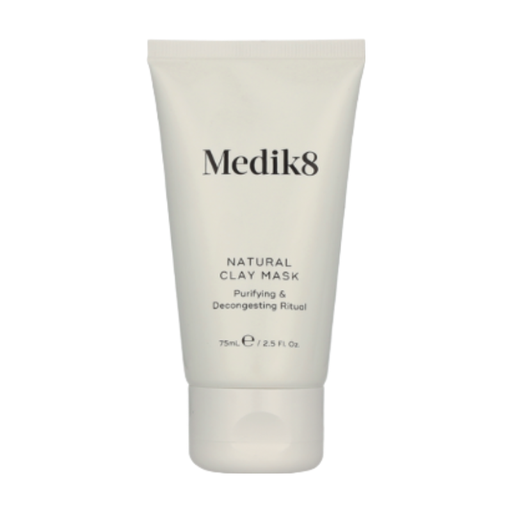
Why it suits this profile: This classic clay mask is a good choice for beginners looking to start a weekly cleansing routine without adding a separate exfoliant. Kaolin and bentonite are listed in the INCI list.
The recommended leave-on time of 10 to 15 minutes and weekly use help you avoid leaving the mask on for too long or using it too often.
75 ml; kaolin, bentonite and glycerin are listed. It also contains sulphur, which may dry out very sensitive skin.
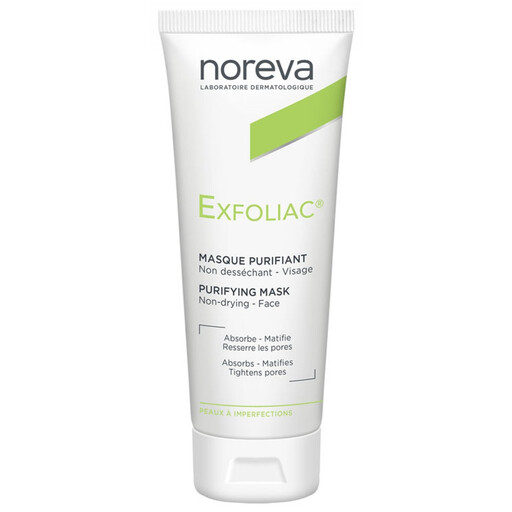
Why it suits this profile: This facial cleansing mask combines kaolin with salicylic acid and, according to the product description, is intended for oily, blemish-prone skin.
The product description recommends a patch test and warns that exfoliating ingredients may increase sensitivity to the sun.
Kaolin, salicylic acid and glycerin are listed; the recommended leave-on time is 5 to 10 minutes.
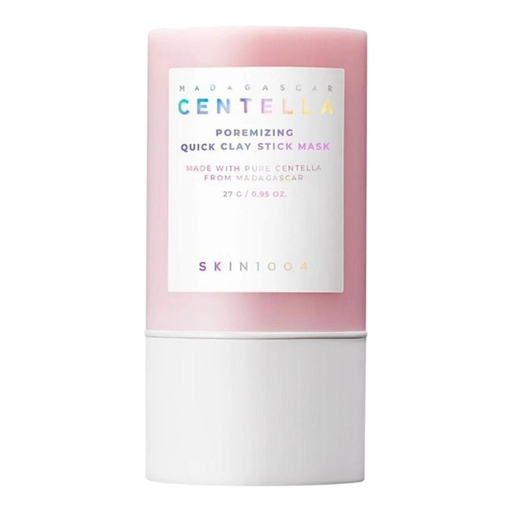
Why it suits this profile: The 27 g stick format is handy for applying the mask to specific areas such as the T-zone, and for anyone who prefers compact packaging.
Applying it directly from the stick makes it easy to target specific areas, so you don’t need to apply it to dry areas of your face.
The stated formula contains 8% kaolin, 4.9% Centella asiatica extract, bentonite and other clays.
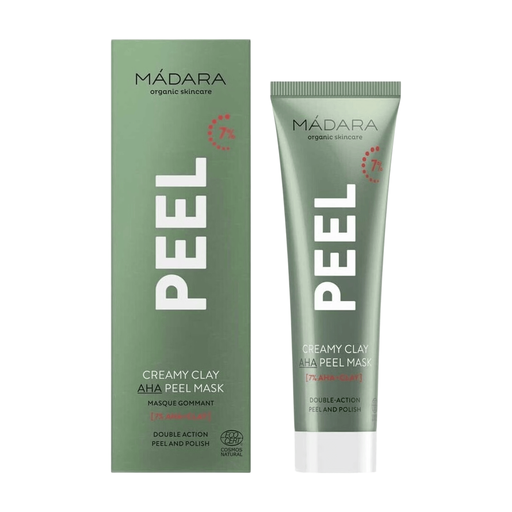
Why it suits this profile: The combination of micro-clay and 7% lactic acid is a good fit for anyone looking to add gentle surface exfoliation to their cleansing routine.
The product information clearly states that the formula isn’t intended for sensitive or hypersensitive skin, and recommends using sun protection.
Contains 7% lactic acid and white clay, with 60 ml of product; the stated leave-on time is 3 to 10 minutes.
We’ve put together a complete, regularly updated list of products that meet these strict selection criteria and comply fully with the safety regulations in force in the EU.
Avoid exfoliating masks and physical scrubbing if your skin is inflamed, broken or severely irritated. If skin problems persist, it’s a good idea to seek advice from a dermatologist.
Classic clay masks are often intended for use once or twice a week. Use acid-based products according to the manufacturer’s instructions, leaving enough time between applications. Using them more often may put unnecessary strain on your skin barrier.
A mask can remove surface oil and impurities. Clay absorbs excess oil, while formulas containing BHA can have an exfoliating effect. This doesn’t mean the mask will permanently remove blackheads or provide medical treatment.
Check the PAO symbol on the packaging, for example, ‘12M’. It indicates the recommended period of use after opening. If the product’s smell, colour, consistency or how your skin reacts to it changes, stop using it.