
Lieferung heute & morgen

Qualitätsgarantie

Willkommens-Angebote freischalten: KOSTENLOSE Lieferung | Bis zu 80 % RABATT | Kostenlose 30-Tage-JoyPlus-Testphase
App herunterladen
A pore-cleansing face mask can remove excess sebum, dirt and dead skin cells. However, it cannot permanently change the pore size you’ve inherited. Pores may look less noticeable for a while when your skin’s surface is clean, well hydrated and cared for consistently.
Three common marketing traps can lead you to make the wrong choice:
Formulas containing kaolin, bentonite, illite or activated charcoal are often suitable for oily or combination skin. These mineral ingredients can absorb excess oil from the skin. For your T-zone, a clarifying face mask with a short application time is often more practical than a very drying mask used all over your face.
For dry skin, a hydrating mask containing glycerin, hyaluronic acid, panthenol or ceramides may be a better choice. These products won’t necessarily provide an intensive cleanse, but they can reduce tightness after washing your face. A sheet mask designed to refine the appearance of pores is therefore more about hydration and comfort than absorbing a lot of sebum.
If you have sensitive skin, pay particular attention to fragrance, essential oils, alcohol and exfoliating acids. Before using a product for the first time, it’s a good idea to patch test it on a small area of skin.
The full INCI list on the packaging shows which ingredients the product actually contains. In a blackhead mask, clay or activated charcoal may help with cleansing. Salicylic acid and other acids, however, require you to follow the directions carefully and consider how well your skin tolerates them.
The product format also affects how you use it:
Don’t exceed the recommended application time. A pore-cleansing face mask doesn’t need to dry and crack completely to do its job. After rinsing it off, apply a gentle, non-irritating moisturiser. If your product contains acids, it’s also important to use suitable sun protection during the day.
Check the best-before date, batch number and PAO symbol. If a pack contains several sheet masks, seal it carefully after each use. Always follow the information on the packaging of the product you’ve bought, as formulas and packaging details may change.
The recommendations below group products by clear features such as format, size, named clay ingredients and how often they’re used.
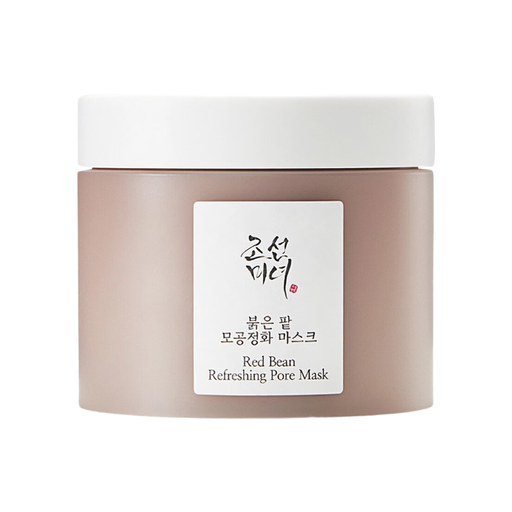
Why it suits this profile: The rinse-off formula and stated application time of 5 to 10 minutes make it an easy way to start a weekly skincare routine.
The product details name kaolin and red bean ingredients, making its use easier to understand than a vague “detox” claim.
140 ml; short application time; rinse-off formula with kaolin and red bean particles.
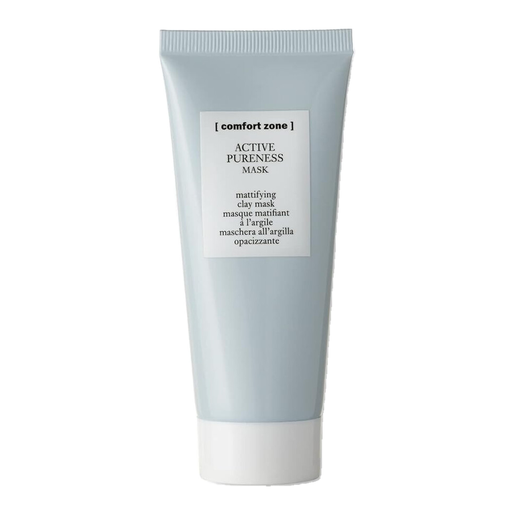
Why it suits this profile: According to the product details, this creamy clay mask is designed for oily, combination and blemish-prone skin. It can be worked into your routine once or twice a week.
The formula specifically lists kaolin and bentonite. This lets you choose it based on the oil-absorbing effect you want, rather than vague cleansing claims.
60 ml; kaolin and bentonite; stated application time of 10 to 15 minutes.
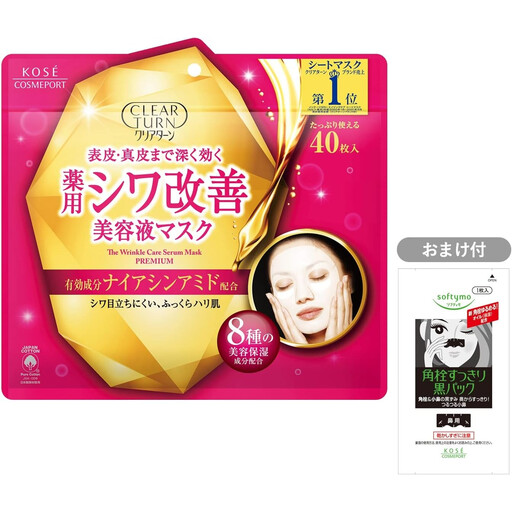
Why it suits this profile: The pack of 40 sheet masks is designed for regular hydration and is ideal if you prefer a quick application with no rinsing required.
The product format makes clear that the focus is on essence-based skincare and how your skin feels, rather than the intensive oil absorption of a clay mask.
40 individual masks; no rinsing required; suitable for regular hydration and texture care.
We’ve put together a complete, regularly updated list of products that meet these strict selection criteria and the safety requirements in force in the EU.
A face mask for blemishes shouldn’t be combined with several strong exfoliating products on the same day. Stop using it if you experience burning, persistent redness, swelling or itching. If you have sensitive skin, take particular care when checking products that contain fragrance, essential oils, alcohol or acids.
Clay and activated charcoal masks are usually intended for use once or twice a week, depending on the product. You can use sheet masks more often if the packaging says so. How your skin feels, the formula and the application time matter more than using a mask as often as possible.
A mask can remove surface oil and dirt, making your skin look smoother for a short time. However, it won’t permanently address the causes of blackheads or enlarged pores. If you have recurring or inflamed skin concerns, it’s a good idea to seek advice from a dermatologist.
A hydrating mask, such as a sheet mask, is often the gentler option and less likely to strip away oil. If you also want to cleanse your T-zone, you can apply a clay mask to that area only and leave it on for a short time. Let the full INCI list and any warnings on the packaging guide your choice.