
Lieferung heute & morgen

Qualitätsgarantie

Willkommens-Angebote freischalten: KOSTENLOSE Lieferung | Bis zu 80 % RABATT | Kostenlose 30-Tage-JoyPlus-Testphase
App herunterladen
By Joybuy Product Recommendation Officer, July 28, 2026
The search for an effective pore cleansing routine can often feel like navigating a labyrinth of marketing promises. Many products advertise instant miracles, but the results are frequently disappointing or even lead to new skin problems. Anyone suffering from clogged pores, blackheads, or oily skin is looking for a reliable solution, not empty claims.
Before you make a purchase, it's crucial to understand the most common pitfalls that lead to dissatisfaction and unnecessary spending:
An informed choice is not based on advertising slogans, but on an understanding of a product's ingredients and function.
To find a product that suits your skin type and needs, you should check three core parameters. These will help you separate the wheat from the chaff and make an informed decision for an effective pore cleansing routine.
A product's effectiveness depends heavily on its active ingredients. For pore cleansing, two groups are particularly relevant:
The application format determines how well a product integrates into your skincare routine.
An effective mask for blemish-prone skin should not only cleanse but also keep the skin balanced. Look for formulas that contain soothing and moisturising components in addition to clarifying ingredients. Ingredients like Glycerin, Panthenol, Jojoba Oil, or Hyaluronic Acid help protect the skin barrier and counteract dryness. This avoids the "squeaky-clean" trap and keeps the skin supple and healthy.
Based on these objective criteria, we have compiled a selection of products suitable for different needs and skin types.
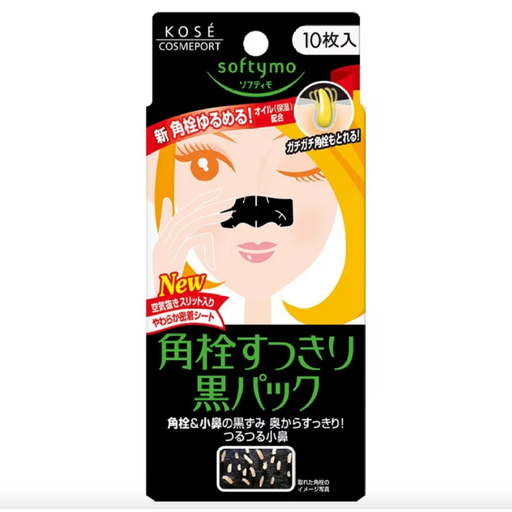
Why it's a good fit: Ideal for users seeking a straightforward, targeted solution for blackheads on the nose. The application is quick, easy, and doesn't require treating the entire face.
The targeted application bypasses the "squeaky-clean" trap, as only the affected area is treated, leaving the rest of the facial skin untouched.
The activated charcoal effectively binds to impurities, while the strip physically removes them. The formula contains Squalane to moisturise the skin after application.
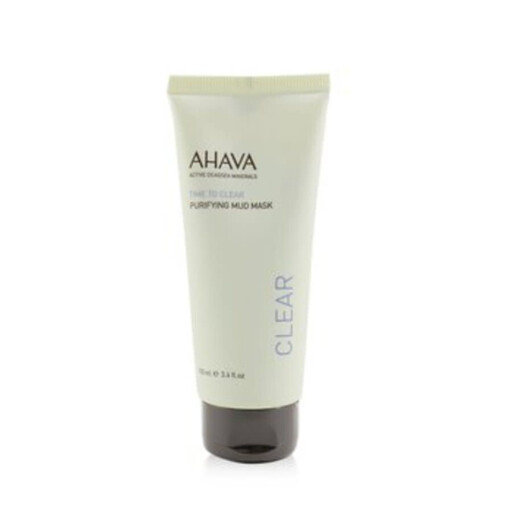
Why it's a good fit: A classic mud mask that harnesses the power of Dead Sea minerals. It's designed for an intensive, weekly deep cleanse of the entire face to absorb excess sebum and clarify the skin.
The formula contains nourishing Jojoba Oil, which counteracts the drying effect of the mud and provides the skin with moisture. This prevents the typical feeling of tightness.
The high concentration of Dead Sea minerals provides a deep-cleansing effect that effectively removes excess oil and impurities.
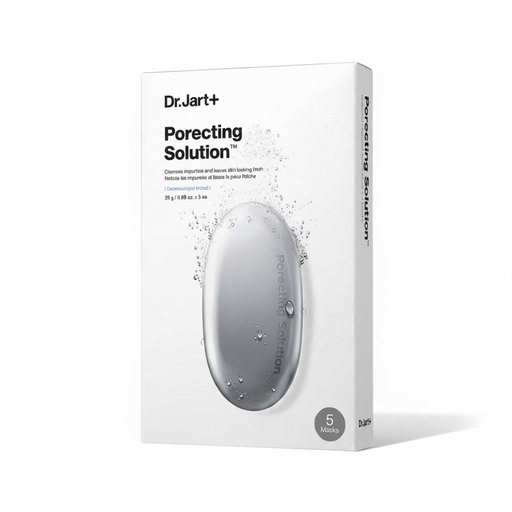
Why it's a good fit: For anyone who appreciates a modern and entertaining application. This sheet mask develops a foam upon contact with the skin, which deeply cleanses the pores.
The product realistically addresses the myth of "shrinking pores" by aiming to refine the *appearance* of pores. The sheet mask format also provides simultaneous hydration.
The combination of oxygen-bubbling technology and activated charcoal ensures a thorough cleanse, while the sheet format makes application easy and mess-free.
We have compiled a complete, up-to-date list of products that fully meet these strict selection criteria and UK regulations.
The frequency of application depends on your skin type and the product's intensity. For most deep-cleansing masks, using them once or twice a week is recommended. For very oily skin, more frequent use may be possible, while for sensitive skin, a weekly application is sufficient. Pay attention to your skin's reaction and adjust the frequency accordingly to avoid over-irritation.
This is a common myth. When used correctly, pore strips do not enlarge pores. They mechanically remove the contents of the pore (sebum, dirt, dead skin cells), making the pore clean and visually less noticeable. It is important to peel off the strip gently, not forcefully, to avoid skin irritation. The pore returns to its normal state after cleansing.
Both ingredients are known for their absorbent properties and are excellent for pore cleansing. The main difference lies in their structure and origin. Clay is a natural, mineral-rich sediment that binds sebum and impurities. Activated charcoal has an extremely porous surface, allowing it to absorb many times its own weight in dirt, toxins, and sebum. Many modern formulas combine both ingredients to benefit from the advantages of each.