
Lieferung heute & morgen

Qualitätsgarantie

Willkommens-Angebote freischalten: KOSTENLOSE Lieferung | Bis zu 80 % RABATT | Kostenlose 30-Tage-JoyPlus-Testphase
App herunterladen
Visibly enlarged pores, unwanted shine on the T-zone, or recurring blemishes can detract from your complexion. Many people with oily or combination skin are searching for an effective solution to deeply cleanse their skin and minimise the appearance of pores. A targeted pore-refining mask can be a valuable addition to any skincare routine.
This article serves as your guide. It explains which active ingredients and mask types are most relevant for this skin concern and presents a curated selection of products designed to clarify and refine the skin's texture.
The range of available products is vast. To make an informed decision, the following criteria can be helpful.
A mask's formulation is crucial to its function. Certain ingredients are renowned for their clarifying and absorbent properties.
The application format affects not only the user experience but also the mask's mode of action.
Here is a selection of pore-refining masks that utilise different mechanisms of action and are suitable for various user preferences.
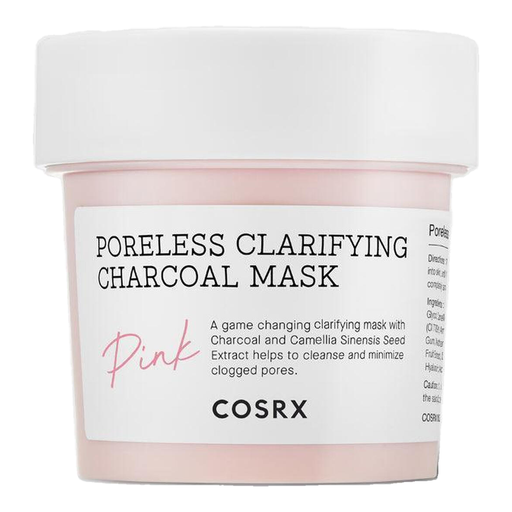
Why it stands out: This wash-off mask from COSRX combines multiple clarifying mechanisms in one formula. It contains charcoal powder and kaolin (clay) to absorb impurities and excess sebum. A unique feature is its color-changing technology: the pink texture turns grey as you massage it in, indicating the activation of the charcoal particles. The formula also includes soothing calamine and clarifying salicylic acid.
Benefits:
Who it's for: Individuals with oily or combination skin looking for an effective mask for large pores that provides a deep cleanse without overly stripping the skin. Ideal for users who prefer a classic cream mask.
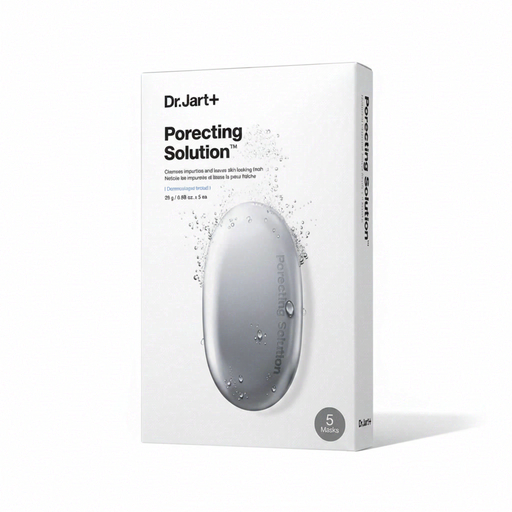
Why it stands out: This sheet mask from Dr. Jart+ uses a special oxygenating bubble technology. Upon contact with the skin, the sheet mask, which is coated with charcoal, begins to foam. The resulting bubbles penetrate the pores to dissolve dirt and buildup. According to the manufacturer, the formula contains "PoreAway" technology with mastic gum, which aims to reduce the appearance of enlarged pores.
Benefits:
Who it's for: Users who prefer a convenient and quick solution for a face mask for blemish-prone skin. Especially suitable for those who enjoy the experience of a foaming mask and are looking for an alternative to traditional mud masks.
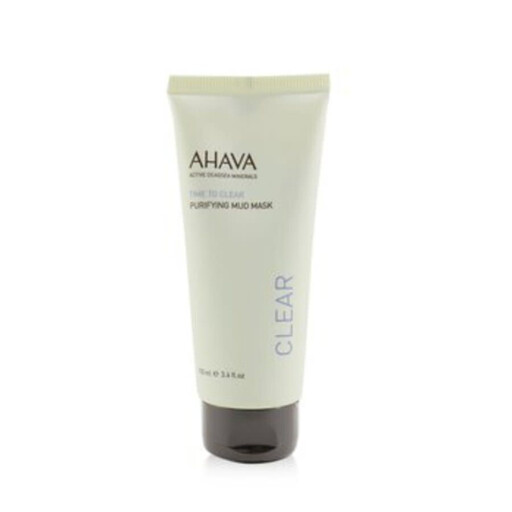
Why it stands out: This mask harnesses the power of authentic mud and minerals from the Dead Sea. The concentrated formula is designed to deeply cleanse the skin, remove excess oil, and reduce the appearance of blackheads. The mask offers antiseptic and anti-inflammatory properties. At the same time, it is enriched with jojoba oil to hydrate the skin and prevent dryness.
Benefits:
Who it's for: Those seeking a classic and intensive mud mask with proven, natural ingredients. It is an excellent choice for blemish-prone skin that needs a balancing yet nourishing treatment.
The range of face masks is diverse, offering solutions for every skin need. If the products featured here don't perfectly match what you're looking for, you may find the right product in our broader selection.
Discover our selection of hair mask.
1. How often should you use a pore-refining mask? The frequency of use depends on your skin type and the intensity of the mask. For oily and resilient skin types, using it 1–2 times a week can be beneficial. For more sensitive or drier skin, an application every 7–10 days is often sufficient to avoid overwhelming the skin. Always follow the manufacturer's recommendations on the product packaging.
2. Do pore-refining masks really help with blackheads? Yes, masks containing ingredients like clay, activated charcoal, or salicylic acid can be effective in reducing blackheads. Blackheads (open comedones) are pores clogged with a mixture of sebum and dead skin cells that have oxidised at the surface. A mask for blackheads helps to dissolve these blockages and absorb excess sebum, making the pores appear cleaner.
3. What is the difference between a charcoal mask and a clay mask? Both mask types are known for their absorbent properties but work in slightly different ways. A clay mask (e.g., with kaolin or bentonite) draws oil and water out of the pores. A charcoal mask binds impurities, sebum, and dirt particles to its surface through adsorption. Often, both ingredients are combined in a deep-cleansing mask to leverage the benefits of both.