
Lieferung heute & morgen

Qualitätsgarantie

Willkommens-Angebote freischalten: KOSTENLOSE Lieferung | Bis zu 80 % RABATT | Kostenlose 30-Tage-JoyPlus-Testphase
App herunterladen
A pore serum can be a targeted addition to your skincare routine if you’re concerned about visible pores, excess shine or uneven skin texture. However, it won’t permanently change the anatomical size of your pores. Rather than focusing on bold marketing claims, consider your skin type, the active ingredients, how well the product suits your skin and the directions for use.
Pores don’t open and close like doors. Their appearance can change due to oil, dead skin cells, dryness or the way light reflects off the skin. A pore-refining serum can help skin look more even, but it shouldn’t promise to shrink your pores permanently.
An AHA BHA PHA serum combines different types of acids. AHA mainly works on the skin’s surface, while BHA, such as salicylic acid, is often chosen for oily skin and skin prone to blackheads. PHA is considered a gentler type of acid. Adding retinol, high-strength niacinamide or vitamin C as well could make your routine unnecessarily irritating.
A niacinamide serum with 10 or 20 per cent isn’t automatically a better choice than one with a lower concentration. If your skin is sensitive or already irritated, alcohol, fragrance, essential oils or a combination of acids may matter more than the percentage highlighted on the label. Always check the full INCI list on the packaging, as formulas can change.
For oily skin and combination skin, lightweight textures that aren’t overly rich are often practical. If you have blackheads, a product containing salicylic acid or betaine salicylate may be worth considering. A serum for blemish-prone skin may also contain niacinamide, panthenol, centella or azelaic acid derivatives. These ingredients have different functions, though, and shouldn’t all be thought of as acne treatments.
If your main concerns are uneven texture and dead skin cells, you could choose a product containing AHA or PHA. If you’re looking for a serum for blackheads, starting gradually is a better approach than exfoliating aggressively every day.
Look out for directions such as “use only in the evening”, “patch test recommended” or “sun protection required”. Products containing acids can increase sensitivity to sunlight, so suitable sun protection should be part of your daytime routine.
If your skin is dry, flaky or irritated, check products containing alcohol, fragrance or several exfoliating ingredients particularly carefully. A clarifying face serum shouldn’t leave your skin feeling tight all the time. Humectants such as glycerin, hyaluronic acid or panthenol can complement the formula.
Many serums require just a few drops per application. Check whether the product is intended for daily use or just a few times a week. A 30-ml serum may last a long time if you use it sparingly, while a 100-ml ampoule may be more practical if you regularly apply it all over your face.
Two-phase formulas need to be shaken before use. You should also check the best-before date, batch number and Period-after-Opening symbol on the packaging.
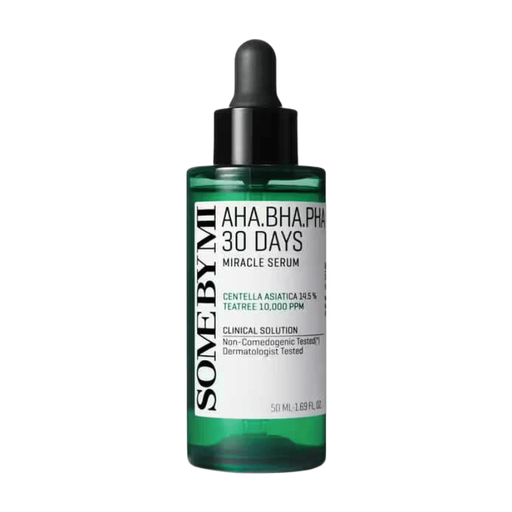
Why this product suits this profile: Its two-phase texture and combination of AHA, BHA and PHA will appeal if you’re looking for a Korean face serum for oily or blemish-prone skin and want to start with clear directions for use.
The product information clearly lists AHA, BHA and PHA. You can check the combination of acids before buying, rather than relying on the term “pore care” alone. A patch test and sun protection are recommended.
50 ml, niacinamide, centella extract and a water-oil formula. Contains ethanol and peppermint oil, among other ingredients.
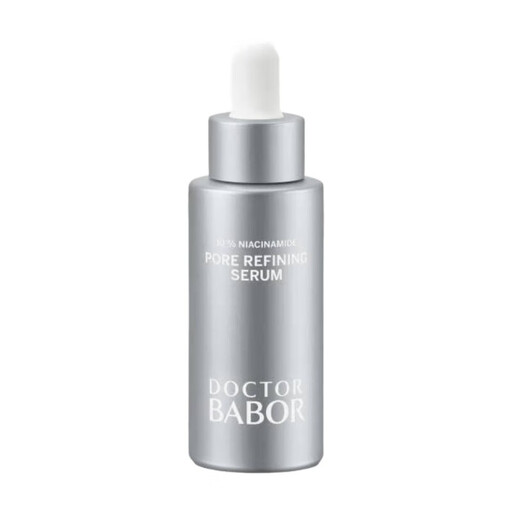
Why this product suits this profile: According to the product description, the formula is designed for people who prefer a lightweight texture and mattifying skincare for combination skin or oilier areas.
The INCI list includes niacinamide and alcohol denat. If your skin is sensitive to alcohol, you can take this into account before buying.
30 ml, niacinamide, rice-derived ingredients and plant extracts. The manufacturer recommends using it morning and evening.
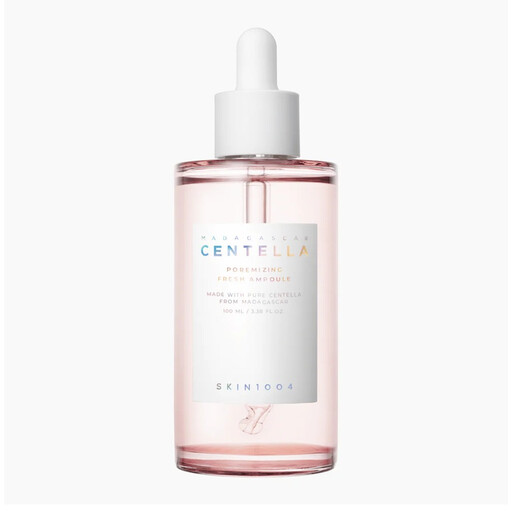
Why this product suits this profile: The 100-ml size is a good fit if you want to make a lightweight ampoule a regular part of your skincare routine and prefer centella-based formulas.
The product description highlights its lightweight texture and recommends applying it after cleansing and toner. Even so, check the current ingredients against the packaging.
100 ml, Centella Asiatica, panthenol, aloe and several forms of hyaluronic acid. The product information recommends using it morning and evening.
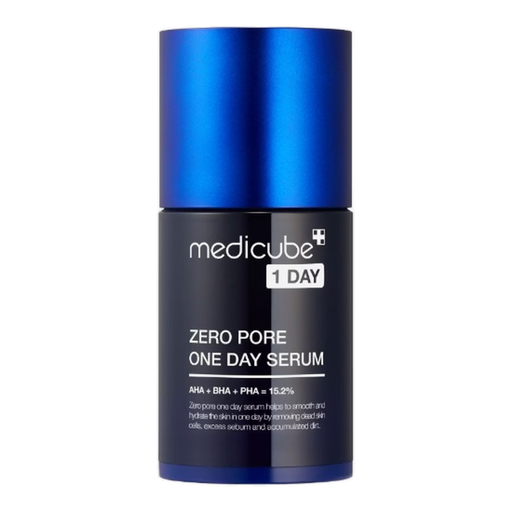
Why this product suits this profile: Evening use and the combination of AHA, BHA and PHA will appeal if you want to tailor your routine to your skin’s texture and the appearance of your pores.
The product information specifically highlights the acids, the possibility of irritation and the need for increased sun protection. This makes it easier to use the product at an appropriate frequency.
30 ml, gluconolactone, salicylic acid, lactic acid, glycolic acid and niacinamide. The manufacturer recommends using it in the evening.
We’ve put together a complete, regularly updated list of products that meet these strict selection criteria and fully comply with the safety regulations in force in the EU.
Stop using the product if you experience persistent redness, stinging, swelling or a noticeable worsening of your skin. If you have severe or recurring skin concerns, consider seeking advice from a dermatologist.
A product containing salicylic acid or betaine salicylate may be worth considering for oily skin and blackheads. Niacinamide is often used alongside these ingredients. However, suitability, concentration and the rest of your skincare routine are all important.
It depends on the formula. A niacinamide serum may be suitable for daily use, depending on the product, while an AHA-BHA-PHA product is often best used just a few times a week to begin with. Follow the directions on the packaging and pay attention to how your skin reacts.
Check the PAO symbol on the packaging. For example, “12M” means the product should be used within twelve months of opening. Use unopened products by the stated best-before date and store them in a cool, dry place away from direct sunlight.