
Lieferung heute & morgen

Qualitätsgarantie

Willkommens-Angebote freischalten: KOSTENLOSE Lieferung | Bis zu 80 % RABATT | Kostenlose 30-Tage-JoyPlus-Testphase
App herunterladen
Blackheads often form when sebum, dead skin cells and residue build up in the pores. A pore cleanser for blackheads can complement your daily skincare routine, but not every product suits every skin type. What matters is the type of active ingredient, how often you use the product and how well your skin tolerates it – not just claims such as ‘Deep Cleansing’ or ‘Pore Refining’ on the packaging.
Mechanical exfoliants with coarse particles, or rubbing too often, can put unnecessary strain on the skin’s surface. A gentle approach is usually better, especially if your skin is sensitive or prone to blemishes. Skin that feels clean doesn’t automatically mean your pores are being cared for more effectively in the long term.
BHA, LHA, AHA, toner pads, exfoliants and clay masks can all play a part in pore care. However, using several exfoliating products at once or every day can lead to tightness, redness or dryness. Introduce new products into your routine gradually.
Oily skin doesn’t necessarily need an aggressive cleanser. Stripping away too much oil can leave your skin feeling uncomfortably dry. You may then reach for extra skincare products, making your routine more complicated and expensive. A suitable facial cleanser for blemish-prone skin should cleanse thoroughly without overlooking what your skin can tolerate.
Different types of products help to cleanse congested pores in different ways:
Check the full INCI list on the product packaging. Key things to look out for include:
Cosmetic product formulas may change, so the packaging is the definitive source for the current ingredients list.
Don’t assume exfoliating products should be used every day. If you’re new to them, using one once or twice a week may be a sensible place to start before adjusting how often you apply it. Products containing AHA, BHA or LHA may make your skin more sensitive to sunlight, so use a suitable sunscreen during the day.
Avoid contact with the eyes. Don’t apply these products to broken, irritated or inflamed skin. If irritation persists, stop using the product and seek advice from a dermatologist if necessary.
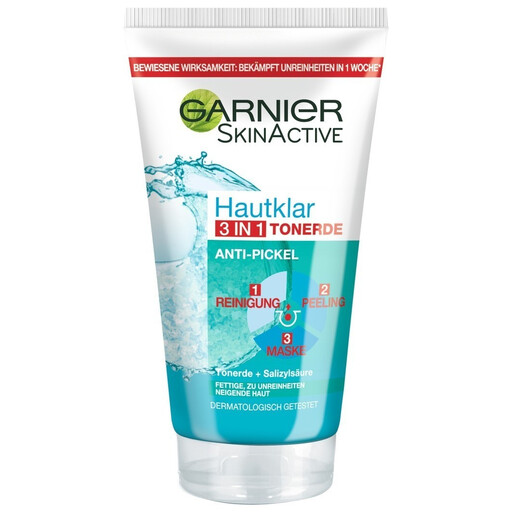
Why this product suits this profile: Three ways to use one product – as a cleanser, exfoliant and mask – make it easy to get started with pore care and reduce the number of separate products you need.
You can choose how to use it to suit your needs: as a face wash, scrub or mask. Even so, use a light touch when rubbing it into your skin.
150 ml, kaolin and salicylic acid listed among the ingredients, plus several ways to use it.
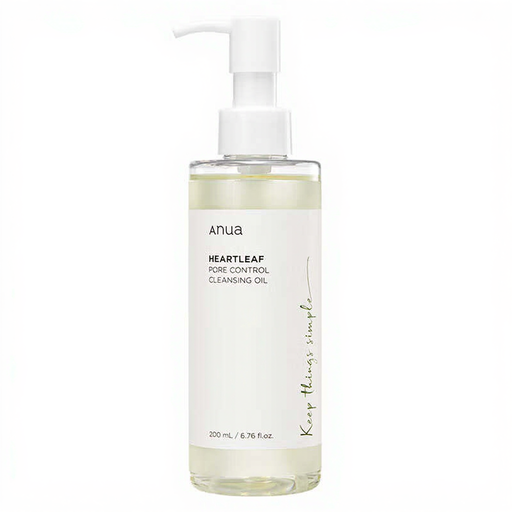
Why this product suits this profile: This cleansing oil is a good choice if you regularly remove make-up or water-resistant sunscreen and prefer a double-cleansing routine.
As an oil-based first step, it doesn’t automatically replace a water-based cleanser. It’s important to emulsify it with water and rinse it off afterwards.
200 ml, an emulsion activated by water and several plant oils listed among the ingredients; fragrance is also listed.
We’ve put together a complete, regularly updated list of products that meet these strict selection criteria and comply fully with the safety regulations in force in the EU.
A straightforward order of steps makes it easier to choose the right products:
The right method depends on your skin type, how well it tolerates products and the type of blockage. BHA or LHA products are often used as part of pore care, while cleansing oils mainly dissolve make-up, sunscreen and oil-based residue. Squeezing hard or scrubbing aggressively shouldn’t be part of your regular routine.
A gentle facial cleanser can usually be used daily, following the product instructions. It’s best to start slowly with BHA, LHA, AHA, toner pads or mechanical exfoliants. If you experience dryness, stinging or redness, use the product less often or stop using it for a while.
That depends on the amount in the product, how much you use each time and how often you use it. A 150-ml cleanser will usually last longer if you use a small amount than a pad product used every day. Also check the shelf-life information, expiry date and recommended period of use after opening on the packaging.