
Lieferung heute & morgen

Qualitätsgarantie

Willkommens-Angebote freischalten: KOSTENLOSE Lieferung | Bis zu 80 % RABATT | Kostenlose 30-Tage-JoyPlus-Testphase
App herunterladen
Pork-flavoured instant noodles promise a quick, warming, and satisfying meal. However, the selection is vast, and the differences in quality are significant. Many products advertise an "authentic taste" but often prove to be a flavour disappointment. As your Joybuy Product Recommendation Officer, I'll help you navigate the common pitfalls and make an informed choice.
Before you add your next pack of pork instant noodles to your cart, you should be aware of these common issues that often lead to an unsatisfying result:
To avoid these pitfalls, you should check three key aspects before buying. These parameters determine the quality of your quick meal.
The heart of any good noodle soup is the broth. Instead of being guided by marketing terms, it's worth taking a look at the ingredients list. Look for the following components, which indicate a higher-quality base:
The texture of the noodles is just as important as the taste of the broth. There are two basic types:
The choice between a cup and a packet depends on your priorities:
Here are some recommendations from our range, tailored to different needs and taking the aforementioned quality criteria into account.
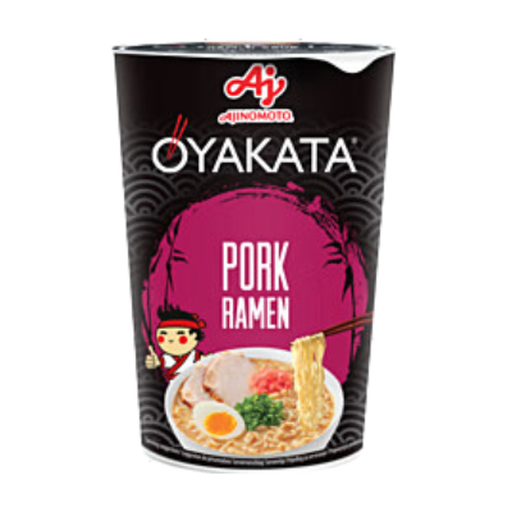
Why This Fits Their Persona: Ideal for professionals or students who need an extremely quick and uncomplicated meal without compromising on a solid base flavour. Preparation requires minimal effort.
The ingredients list includes pork bone extract powder, which bypasses the "flavouring" trap and provides a more authentic base than pure flavouring. The cup noodle format ensures a consistent result.
Maximum convenience with the cup format; balanced seasoning with soy sauce, sesame, and spices for a well-rounded taste.
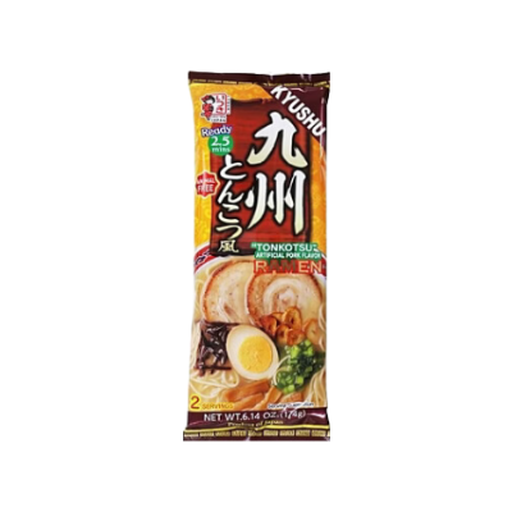
Why This Fits Their Persona: Perfect for anyone seeking a noodle soup that comes close to a restaurant experience. The focus is on noodle texture and a deep, complex broth.
This product uses air-dried wheat noodles that retain their firm, chewy texture, thus avoiding the "mushy noodle" trap. The broth is based on hydrolysed protein and extracts, not simple flavouring.
Excellent noodle texture; the broth replicates the creamy, rich character of a true Tonkotsu soup through a thoughtful combination of ingredients.
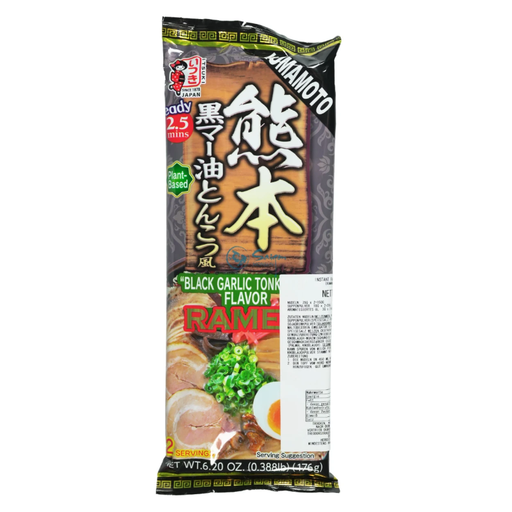
Why This Fits Their Persona: For lovers of **spicy ramen** and intense, characterful flavours. Those who appreciate the special taste of roasted garlic will find this an exciting alternative to classic Tonkotsu.
This product escapes one-dimensionality with a separate seasoning oil with black garlic. This adds a deep, smoky, and highly aromatic note that goes far beyond simple saltiness.
Unique flavour profile from the characteristic black garlic oil; air-dried noodles provide a great texture. The recipe is plant-based but successfully mimics the rich Tonkotsu taste.
We have compiled a complete, up-to-date list of products that fully meet these strict selection criteria and comply with UK regulations.
1. What is the difference between Tonkotsu, Shoyu, and Miso broths? These terms describe the base of the Japanese broth. Tonkotsu refers to a rich, creamy broth made by simmering pork bones for a long time. Shoyu broths are based on soy sauce and are typically clearer and saltier. Miso broths use fermented soybean paste, which gives them a complex, earthy, and savoury flavour.
2. How can I easily upgrade my instant ramen? You can elevate a simple bowl of pork instant ramen with just a few ingredients. Shortly before serving, add a soft-boiled egg, sliced spring onions, canned corn, bamboo shoots, or a few leaves of fresh spinach. A dash of sesame oil or chilli oil can also add extra flavour.
3. What should I look for in the nutritional information? Pay special attention to the salt content (sodium). Many Asian instant noodles have a high sodium content. If you need to watch your intake, you can reduce the amount of seasoning powder you use. Also, compare the fat content, especially in products with fried noodles or separate oil packets.