What should you look for when buying?
First, check the carbohydrate content for your planned portion. Then use the ingredients list and allergen information to help you choose between plain oats and nut or fruit mixes.
| Criterion |
What to check |
Who it matters to |
| Carbohydrates per portion |
Work out the carbohydrates for your weighed dry portion using the per 100 g figure. Remember to include the liquid and toppings as well. |
If I need to count carbohydrates, it’s the finished bowl that matters, not just the dry mix. This ability to plan ahead is a priority for around 46% of consumers. |
| Sugar and recipe |
Check the sugar and carbohydrate figures in the nutritional information, and look for dates and other dried fruit in the ingredients list. |
I want to decide for myself how sweet my porridge is, rather than relying on the ‘no added sugar’ claim alone. This level of control is the main concern for around 36% of consumers. |
| Allergens and grains |
Check the specific pack for nuts, gluten-containing grains and any ‘may contain’ warnings. |
If I need to avoid certain ingredients, the exact mix determines whether it’s right for me. This check takes priority for around 18% of consumers. |
Oats for porridge from Joybuy
These oats may suit you as a base for homemade porridge if you want to choose the dry portion and other ingredients yourself. Check the nutritional information and labelling on each pack when making your choice.
 No image available
Kölln fine rolled oats, 500 g
For porridge where you want to choose the portion size and other ingredients yourself. Use the nutritional information to work out the carbohydrates for your portion, and remember to include the liquid and toppings.
View at Joybuy
 No image available
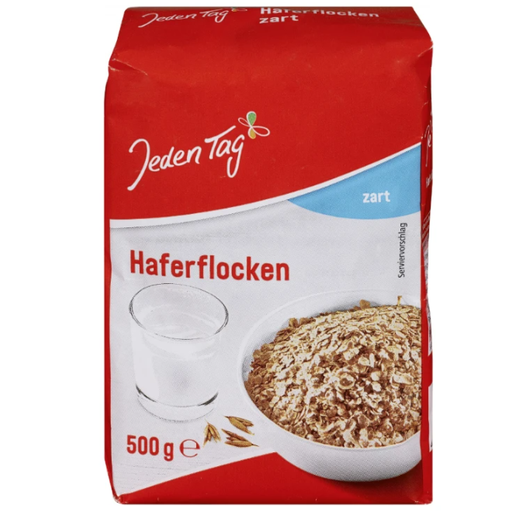
Jeden Tag fine rolled oats, 500 g
For homemade porridge with a weighed dry portion. Before buying, check the product form on the pack: the information available describes this product as both rolled oats and oat flour.
View at Joybuy
 No image available
Alnatura organic fine rolled oats, 500 g
For an oat base where you can choose the portion size and additions yourself. If allergens are important to your choice, check the labelling on the specific pack.
View at Joybuy
Frequently asked questions
Is porridge automatically suitable if you have diabetes?
No. The word ‘porridge’ alone doesn’t answer that question. The amount, recipe and other ingredients determine the carbohydrate content of the meal. According to diabetesDE, individual carbohydrate calculations are important for people with insulin-treated diabetes.
Is ‘no added sugar’ enough to guide my choice?
No. This claim is no substitute for checking the nutritional information and ingredients list. Pay particular attention to the carbohydrates in your portion and, for fruit mixes, ingredients such as dates and other dried fruit.
How do I work out the carbohydrates in my portion of porridge?
Weigh the dry portion and use the per 100 g carbohydrate figure to calculate the amount in your serving. Then include the carbohydrates in the liquid and toppings you use. If you calculate insulin doses individually, follow the guidance from your diabetes team.
Do I need to check allergens in nut and multigrain porridge?
Yes. If certain ingredients are relevant to you, check the labelling on the specific product. Kölln lists hazelnuts in its Nuss-Porridge; REWE’s Bio Basis Porridge contains spelt, barley and almonds, among other ingredients.
Are intensive oat days the same as choosing porridge for breakfast?
No. diabetesDE describes intensive oat days as a supervised intervention; choosing a porridge product doesn’t amount to this kind of treatment. Discuss plans for intensive oat days with your diabetes team.


