
Lieferung heute & morgen

Qualitätsgarantie

Willkommens-Angebote freischalten: KOSTENLOSE Lieferung | Bis zu 80 % RABATT | Kostenlose 30-Tage-JoyPlus-Testphase
App herunterladen
A portable air conditioner can be a flexible solution for rented homes, bedrooms, offices or motorhomes. It usually doesn’t need to be permanently mounted on a wall and can be wheeled into another room when needed. However, choosing a cheap portable air conditioner doesn’t automatically mean you’ll get a good deal. The key factors are the actual size of the room, how the hot air is vented, noise levels and daily electricity consumption.
A 12000 BTU portable air conditioner sounds powerful, but that doesn’t automatically make it right for every home. Manufacturers’ maximum room-size recommendations are often based on specific conditions. Sunlight, a top-floor position, insulation, ceiling height and open doors all affect how much cooling power you need.
A 9000 BTU portable air conditioner may be enough for a smaller bedroom or home office. Larger living rooms or rooms that get very hot may need more power. Always consider the BTU rating alongside the recommended floor area and cooling capacity in kilowatts.
A portable air conditioner with an exhaust hose vents warm air outside. If the window is left wide open, warm air can flow back into the room. This reduces efficiency and can increase electricity consumption.
That’s why a suitable window kit or window seal isn’t just an optional extra. Before buying, check that the kit is compatible with your type of window. Window seals in lengths of 3 or 4 metres are also available for extra insulation:
The compressor, fan and airflow all make noise when a portable unit is running. Compare figures such as 49, 51 or 64 dB(A) directly. For a bedroom air conditioner, a sleep mode, timer and multiple fan speeds are also useful. However, a low noise rating in sleep mode doesn’t necessarily tell you how loud the unit will be when cooling normally.
Check at least the following:
A 3-in-1 air conditioner typically combines cooling, dehumidifying and fan functions. This doesn’t mean all the functions run at the same time. In fan mode, for example, the unit simply circulates the room air without actively cooling it.
The energy efficiency rating provides a standardised comparison. Power consumption and the EER rating are also relevant. Even an energy-efficient portable air conditioner will add to your running costs if you use it for many hours a day.
A simple way to estimate costs:
Treat figures for energy rating, EER and consumption as manufacturer’s specifications, and check them against the data sheet for the model you’re considering.
Keep the exhaust hose as short as possible, avoid sharp bends and secure it firmly to the window kit. Furniture and curtains must not block the air outlet or intake. Many units have a washable filter, which needs to be cleaned regularly and left to dry completely.
For units using R290 or another refrigerant, follow the instructions in the user manual. Do not damage the refrigerant circuit. Use an earthed socket and follow the guidance on minimum clearances, condensation and transport.
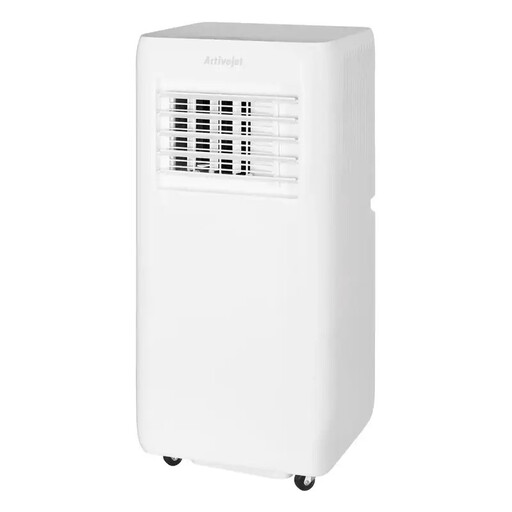
Why this product suits this profile: According to Activejet’s product specifications, this unit offers 7000 BTU, three operating modes and control via remote or the Tuya Smart app. The stated room size is up to 25 m².
The recommended room size, A energy rating and noise level of up to 53 dB(A) give you concrete figures to compare, rather than just a marketing claim.
7000 BTU, 24-hour timer, Wi-Fi control, washable filter and four castors.
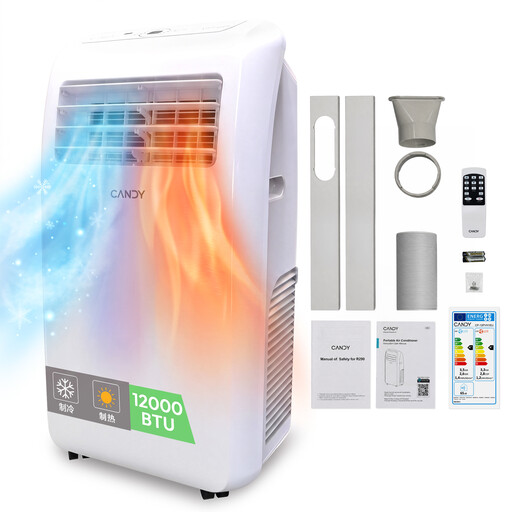
Why this product suits this profile: According to Candy’s product specifications, this model has cooling, dehumidifying, fan and heating modes. Its stated cooling capacity is 12000 BTU, or 3,5 kW.
The product description says that a window kit is included and is suitable for vertical and horizontal sliding windows. The heating capacity is listed separately as 3,3 kW.
A+ energy efficiency rating, 24-hour timer, remote control and four operating modes.
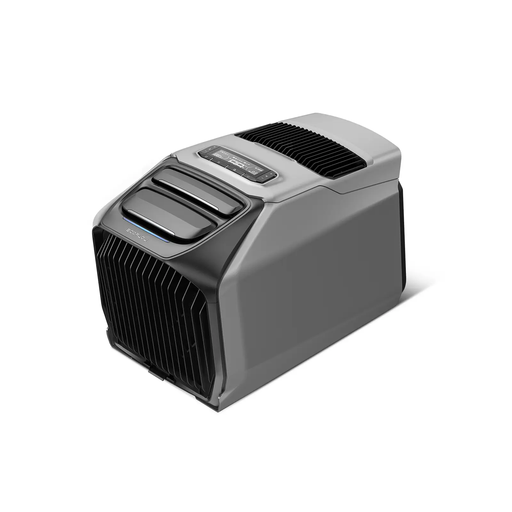
Why this product suits this profile: According to EcoFlow’s product specifications, this unit is designed for camping, motorhomes, SUVs and van life. It offers 6100 BTU of cooling and 6800 BTU of heating, and can run on an additional battery.
The product specifications include the weight, dimensions, operating noise of 44 to 58 dB and requirements for venting air from a vehicle.
App control, heating and cooling functions, a weight of 15,6 kg and an optional battery for use on the move.
We’ve put together a complete, regularly updated list of products that meet these strict selection criteria and the safety regulations in force in the EU.
Place the unit on a flat, stable surface with enough space around it and away from walls. Route the exhaust hose outside through a window kit or suitable window seal, keeping it as straight as possible. Keep the air intake and outlet clear. If the unit has been transported on its side, follow the manufacturer’s instructions on how long to wait before switching it on.
Running costs depend on power consumption, how long the unit is used, room temperature, insulation and your electricity tariff. A rough calculation is: power consumption in kilowatts × hours of use × electricity price per kilowatt-hour. A timer can help limit how long the unit runs. Consider the energy efficiency rating alongside the actual consumption figure.
There’s no single lifespan that applies to every unit. Cleaning the filter regularly, keeping the exhaust hose free of kinks, storing the unit in a dry place and following the user manual can all help it run reliably. Before buying, also check the warranty terms, availability of spare parts and maintenance guidance.