
Lieferung heute & morgen

Qualitätsgarantie

Willkommens-Angebote freischalten: KOSTENLOSE Lieferung | Bis zu 80 % RABATT | Kostenlose 30-Tage-JoyPlus-Testphase
App herunterladen
A portable air conditioner can be a good choice for rented homes, bedrooms, home offices or motorhomes, as it doesn’t need to be permanently mounted on a wall. However, a portable air conditioner isn’t automatically hassle-free. Choosing the wrong capacity, using a poorly sealed window or underestimating operating noise can lead to extra costs or disappointing results.
Figures such as 9000 BTU portable air conditioner or 12000 BTU portable air conditioner describe the cooling capacity. To choose the right size, you also need to consider the room’s volume, sun exposure, insulation, window area and the number of people in the room.
A small, well-shaded bedroom has different requirements from a loft room with large south-facing windows. That’s why manufacturers’ recommended room sizes should be treated as a guide, not a guarantee of a particular temperature.
A portable air conditioner with an exhaust hose needs to vent warm air outside. If the hose is simply placed through a tilted window, warm air from outside will flow back in. This reduces efficiency and can mean the unit has to run for longer.
Before buying, check:
If your window isn’t compatible with the sliding window kit supplied, a 3 m window seal for portable air conditioners or a 4 m window seal could be a practical addition. Check the measurements, attachment method and material compatibility before ordering.
A compressor-powered unit makes noise while cooling. A low figure in sleep mode doesn’t necessarily mean the unit will be just as quiet when running at full power. Check the stated sound pressure level in dB(A) and whether it refers to night mode or normal operation.
For energy consumption, the key factors are power consumption, energy efficiency class and how long you plan to run the unit. A simple guide is:
Electricity cost = power consumption in kW × operating hours × electricity price per kWh
Actual consumption depends on factors including the outdoor temperature, target temperature, insulation and how long the compressor runs.
As a rough guide, you’ll often find the following capacity ranges:
Room size alone isn’t enough to make the right choice. Loft flats, large windows or poor insulation may call for a higher capacity. On the other hand, an oversized unit may switch on and off more often instead of running steadily.
A 3-in-1 air conditioner usually combines cooling, ventilation and dehumidifying. An air conditioner with a heating function may also be useful during milder weather. Check the heating capacity separately, as it won’t necessarily match the cooling capacity.
Useful features include:
For refrigerants such as R290 or R32, follow the manufacturer’s safety instructions. Don’t block the ventilation openings, and only operate the unit in accordance with the user manual. Keep portable air conditioners away from water and naked flames.
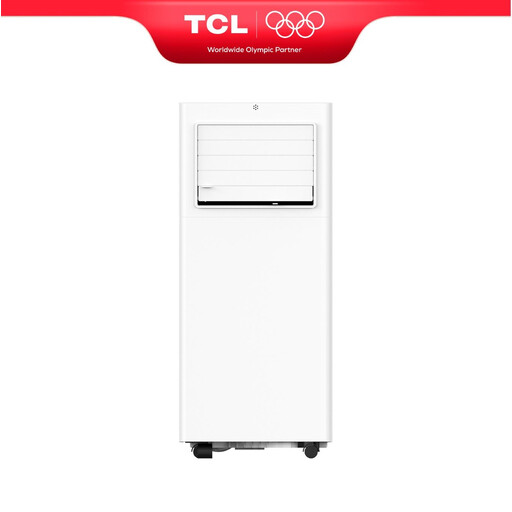
Why this product suits this profile: This unit combines cooling, ventilation and dehumidifying, making it a good option for anyone looking for straightforward features for a small or medium-sized room.
An adjustable sliding window kit, castors, a washable filter and a timer help address common installation and maintenance issues.
9000 BTU, two fan speeds, a 24-hour timer and a window kit included.
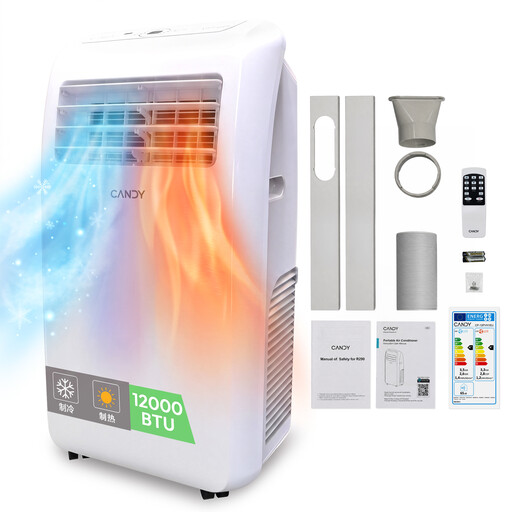
Why this product suits this profile: For larger living areas, combining cooling, heating, dehumidifying and ventilation can reduce the need to switch between seasonal appliances.
The specifications list cooling and heating capacities separately, making it easier to check whether both functions are suitable for your room.
12000 BTU, four operating modes, A+ energy efficiency class according to the product information, and a window kit for sliding windows.
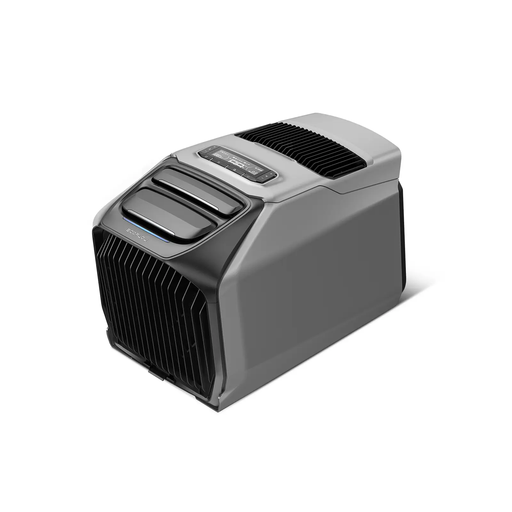
Why this product suits this profile: This compact unit is designed for camping, motorhome and van users looking for a flexible option with app control and optional battery operation.
The operating conditions are clearly stated: the exhaust air must be vented outside, and the unit isn’t designed to be used while driving.
6100 BTU cooling capacity, 6800 BTU heating capacity, app control and a stated battery life of up to 8 hours with an additional battery.
We’ve put together a complete, regularly updated list of products that meet these strict selection criteria and fully comply with the safety regulations in force in the EU.
Place your portable air conditioner on a flat, stable surface, leaving enough space around the air inlets. Keep the exhaust hose as straight as possible on its way outside. Switch off and unplug the unit before moving it.
Clean the filter regularly and make sure it is completely dry before putting it back, following the instructions in the user manual. Condensation may collect even with self-evaporation, particularly when humidity is high. Don’t ignore a warning signal or a full tank.
Many units come with a sliding window kit. Tilt-and-turn or unusual windows may need a separate window kit or a fabric window seal. The key things to check are the window measurements, hose diameter and how airtight the connection will be.
The cost depends on power consumption, how long you run the unit and your electricity tariff. With a stated power consumption of 1 kW and an electricity price of 0,35 Euro per kWh, the calculated cost is about 0,35 Euro per operating hour. However, the compressor doesn’t always run continuously at full power.
Its lifespan depends on how often you use it, filter care, storage and correct installation. Regular cleaning, unobstructed airflow and following the manufacturer’s instructions can reduce avoidable wear. Before buying, also check the availability of spare parts and information about the warranty and customer service.