
Lieferung heute & morgen

Qualitätsgarantie

Willkommens-Angebote freischalten: KOSTENLOSE Lieferung | Bis zu 80 % RABATT | Kostenlose 30-Tage-JoyPlus-Testphase
App herunterladen
A portable air conditioner can be a flexible alternative to permanently installed systems for tenants, homeowners and campers. Depending on the model, the unit can be moved from room to room and often offers additional functions such as dehumidifying, fan mode, heating or Wi-Fi control.
When buying, however, the BTU figure on the packaging is not the only factor that matters. A unit that is too small may not reach the desired temperature, while an oversized air conditioner may switch on and off more frequently and consume more electricity. You also need to consider exhaust air, noise levels and whether the window is suitable for the exhaust hose.
An air conditioner with 9000 BTU or air conditioner with 12000 BTU initially describes the stated cooling capacity. The room size it is actually suitable for also depends on insulation, sunlight, ceiling height, window area and the number of people present.
Manufacturers’ room-size recommendations should therefore be treated as a guide. A loft room exposed to strong sunlight may require a different specification from a shaded bedroom with good insulation.
A single-hose unit directs warm exhaust air outside through a hose. If the window remains wide open, warm outdoor air flows back into the room. This reduces the practical benefit of cooling.
Suitable air conditioner window sealing can limit this opening. However, you should check the window type, circumference or width and hose routing before buying. Many fabric seals are suitable for side-hung and tilt-and-turn windows, but not for sliding doors.
A low decibel rating may apply under specific testing conditions. In a bedroom, it is also important to know whether a sleep mode is available and whether the compressor starts regularly. You should therefore check the stated maximum sound level, operating modes and timer.
With an energy-efficient air conditioner, you should consider the energy-efficiency class as well as the power consumption in watts and the EER or COP rating. Running costs depend on usage, room temperature, insulation and your electricity tariff.
For small to medium-sized rooms, units with 7000 to 9000 BTU are often suitable. For larger living areas, an air conditioner with 12000 BTU may be the better choice. The key point is that the manufacturer’s stated room size should match the conditions in your home.
Also pay attention to the airflow rate in m³/h. This figure describes how much air the unit can circulate per hour. It is not the same as cooling capacity, but it helps you assess air circulation.
An air conditioner with an exhaust hose needs a route outside that is as short and free of kinks as possible. The unit should stand on a level surface with sufficient clearance from walls and furniture. The air intake and outlet vents must not be blocked.
Check the following before buying:
For side-hung and tilt-and-turn windows, separate fabric seals with a zip can provide a flexible solution. The seal must fit securely and must not interfere with the window’s operation.
An air conditioner for a flat may also dehumidify or circulate air, depending on the model. A portable air conditioner with heating function broadens the range of uses, but does not automatically replace a fully fledged heating system for the entire home.
Wi-Fi allows operation via an app, for example with Activejet, AUX or Olimpia Splendid. Check which app is supported, the Wi-Fi frequency and the permissions required. Units containing R290 or R32 use refrigerant. Read the operating instructions before use, keep ventilation areas clear and use a suitable earthed socket. Extension leads and multi-way adapters should only be used if the manufacturer expressly permits this.
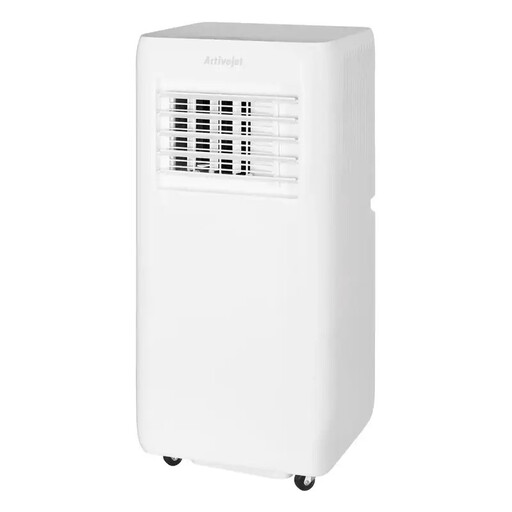
Why this product suits this profile: The unit is specified for rooms of up to 25 m² and combines cooling, dehumidifying and fan functions. Wi-Fi via the Tuya Smart app, a remote control and a 24-hour timer provide additional control options.
The specifications state the cooling capacity, 750 W power consumption, energy-efficiency class A and a maximum sound level of 53 dB(A). This makes it easier to compare important operating criteria before buying.
750 W cooling capacity, two fan speeds, washable filter and four castors.
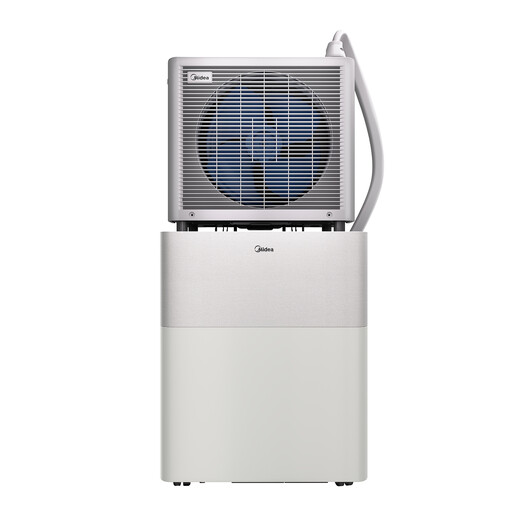
Why this product suits this profile: The two-part portable design with 12000 BTU is appealing to users looking for higher cooling capacity and a stated sound level of 39 dB(A).
The information on energy-efficiency class A++, 220–240 V and R32 refrigerant makes it easier to assess the technical specifications. At 45.5 kg, its weight should be taken into account when planning where to place it.
12000 BTU, A++ rating and heating and cooling functions.
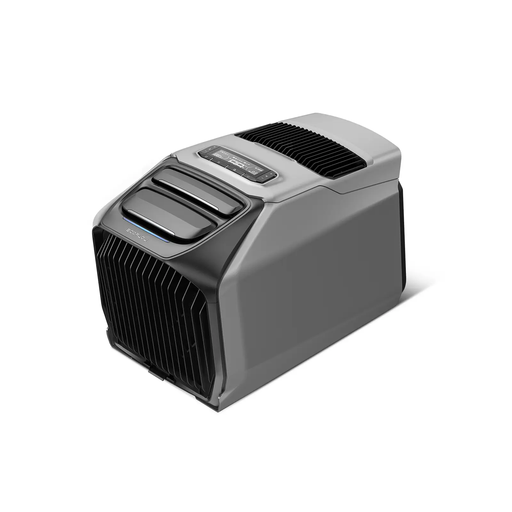
Why this product suits this profile: This compact unit is designed for camping, motorhomes, SUVs or vans, with app control and optional battery operation. The stated cooling capacity is 6100 BTU, while the heating capacity is 6800 BTU.
The manufacturer’s specifications state a weight of 15.6 kg, an operating noise level of 44–58 dB and the need to vent exhaust air outside. This prevents unrealistic expectations about using the unit without ventilation.
App control, 1800 W cooling capacity and optional battery operation with a stated runtime of up to 8 hours.
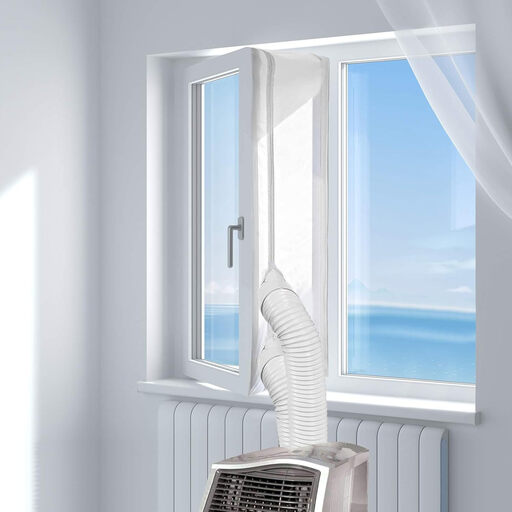
Why this product suits this profile: The fabric window seal is specified for side-hung and tilt-and-turn windows, as well as single- and twin-hose units. It can be rolled up and stored compactly.
The compatibility information explicitly excludes sliding doors. Before buying, check the window circumference and opening direction.
Washable polyester fabric, zip fastening and compact storage.
We have put together a complete, regularly updated list of products that fully meet these strict selection criteria and the safety regulations applicable in the EU.
Place the unit on a level surface, leave the clearance from walls specified in the instructions and route the exhaust hose outside using the shortest possible path, without sharp bends. The window seal should sit tightly against the frame. Before cleaning or maintenance, the unit must be switched off and disconnected from the mains.
Its lifespan depends on operating hours, filter maintenance, storage and the load placed on the compressor. Clean the washable filter regularly in accordance with the operating instructions, check the exhaust hose and seals, and store the unit in a dry place. A dirty filter can restrict airflow.
A rough calculation is: Power consumption in kW × operating hours × electricity price per kWh. At 750 W and four hours of operation, this equates to 3 kWh per day, provided the unit runs continuously at this output. In practice, the thermostat, room insulation and compressor cycles can alter actual consumption. Therefore, check the wattage and choose a capacity suitable for the room size.