
Lieferung heute & morgen

Qualitätsgarantie

Willkommens-Angebote freischalten: KOSTENLOSE Lieferung | Bis zu 80 % RABATT | Kostenlose 30-Tage-JoyPlus-Testphase
App herunterladen
As a Joybuy Product Recommendation Officer, I see parents struggling daily with a flood of product promises. The uncertainty is especially high when it comes to feeding your baby on the go. A hungry baby won't wait until a power outlet is in sight. A portable bottle warmer seems like the solution, but not every device lives up to its claims.
Many purchases turn out to be impractical in hindsight. Before you make a decision, you should know the three most common pitfalls that often only become apparent after you buy:
To avoid a bad purchase, you should focus on objective, technical features rather than marketing messages. These three parameters are crucial for a reliable portable bottle warmer.
The most important feature of a cordless milk warmer is its independence from the power grid. A battery's capacity is measured in milliampere-hours (mAh).
The time it takes to warm a baby bottle on the go is a critical factor. A fast bottle warmer is worth its weight in gold, but precision shouldn't be sacrificed.
The device comes into direct contact with your baby's food, so the materials used are of the utmost importance.
Based on these objective criteria, we have identified products that suit the different profiles of parents.
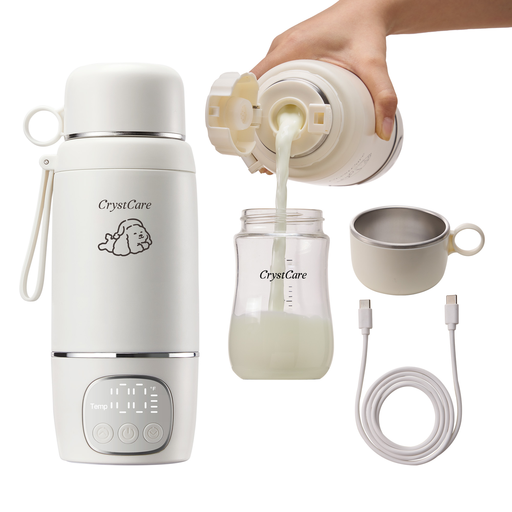
Why This Fits Their Persona: For families who are often on the go for a full day or longer, maximum independence is crucial. This model is specifically designed for travel and covers the need for multiple feedings without relying on a power source.
With a 16000mAh battery capacity, it bypasses the "one-and-done" battery trap and provides enough power for an entire day. The high output of 80W ensures fast heating without long waits.
Large capacity (500 ml) and a very high battery capacity for maximum autonomy. Supports fast charging for short recharge times.
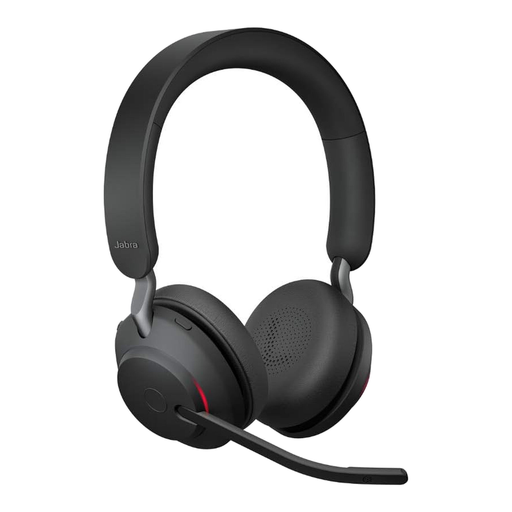
Why This Fits Their Persona: For parents who need to stay connected while on the move, the ability to multitask is key. A reliable headset allows them to take important calls hands-free while caring for the baby.
Instead of being burdened with unreliable tech, this product focuses on a core function: stable connectivity and long battery life. It avoids the pitfall of trying to be a 'jack-of-all-trades' that masters none.
According to the manufacturer, it offers up to 37 hours of battery life for days of use. The noise isolation and integrated busylight create a quiet zone for important conversations, even in noisy environments.
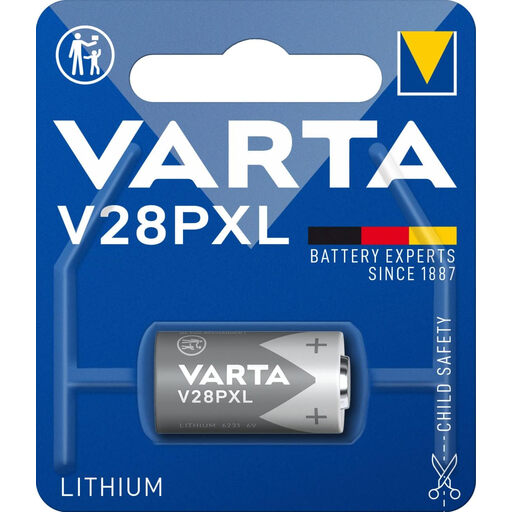
Why This Fits Their Persona: For parents who already own battery-operated baby gear or prefer a modular solution, a reliable power source is everything. Instead of investing in an expensive all-in-one device, ensuring power for existing tech can be the more pragmatic approach.
This product bypasses the trap of weak, built-in batteries. By relying on a proven, replaceable power source for your devices, you avoid having an entire apparatus become useless because of a single faulty battery.
Brand quality and reliability for devices that require consistent performance. The lithium technology ensures a long lifespan and high output, ideal for essential electronic devices during travel.
The foundation of any mobile device is a reliable power supply. We have compiled a list of products that meet strict selection criteria for longevity.
1. How long does it take to heat a bottle with a travel bottle warmer? The time depends on the device's power (watts), the starting temperature, and the amount of liquid. A fast bottle warmer with a high wattage can heat 150 ml of water to approx. 40°C in 3-5 minutes. Lower-power models or those operated via a low-voltage USB port can take 10-15 minutes or longer.
2. Can I warm breast milk in a portable bottle warmer? Yes, that is one of its primary uses. However, it's crucial to choose a model with precise temperature control. To preserve the nutrients in breast milk, the temperature should not exceed 40°C. Look specifically for a breast milk warmer with an appropriate temperature setting or a keep-warm function at around 37°C.
3. How do I properly clean a portable bottle warmer? Look for a model where the components that come into contact with milk are easy to disassemble. Ideally, these parts are made of stainless steel or dishwasher-safe plastic. After each use, the parts should be cleaned with hot water and mild detergent or disinfected according to the manufacturer's instructions to prevent germ buildup. The device body itself should only be wiped with a damp cloth.