
Lieferung heute & morgen

Qualitätsgarantie

Willkommens-Angebote freischalten: KOSTENLOSE Lieferung | Bis zu 80 % RABATT | Kostenlose 30-Tage-JoyPlus-Testphase
App herunterladen
A portable carpet cleaner can tackle spilled drinks, pet stains and dirt on sofas, stairs or car seats. Unlike a conventional vacuum cleaner, a carpet cleaning machine usually uses water or cleaning solution, then vacuums up the loosened dirt. It’s a practical choice for the home, but that doesn’t mean you can skip checking what you need before you buy.
A motor’s wattage describes its electrical consumption or input power. On its own, it doesn’t tell you how well a wet cleaner picks up dirty water. For practical use, suction power, airflow, nozzle design and the ability to control the amount of solution sprayed are also important.
A 600-watt model isn’t automatically a better choice than a 400-watt one. Look at the specifications as a whole, and check whether suction power is stated in kPa.
A carpet cleaner designed for sofas and carpets is only suitable for water-resistant fabrics. Delicate natural fibres, non-colourfast fabrics, leather and materials with water-soluble coatings can be damaged by moisture or cleaning products.
Before using it for the first time, carry out a colourfastness test on an inconspicuous area. You should also follow the manufacturer’s guidance on the maximum water temperature and suitable cleaning solutions.
A machine with a dirty water tank is only pleasant to use in the long term if the tank, hose and brush head are easy to access. Leftover water and hair in the system can cause unpleasant smells. So look for separate clean and dirty water tanks, removable containers and clear maintenance instructions.
A carpet cleaner with a spray function applies water or a suitable cleaning solution. The brush loosens the dirt, while the suction picks up the liquid and loosened particles. This combination is more effective for spot cleaning than dry vacuuming alone.
Work slowly and try to use as few passes as possible. Too much liquid can increase drying time. When cleaning upholstery and car seats, only dampen the surface as much as the material allows.
The kPa figure describes the suction pressure, which plays a part in picking up liquid. Figures such as 12, 15, 17 or 18 kPa can be useful for comparing technical specifications. However, they’re not the only factor: the nozzle, airflow path and seals also affect the results.
If you regularly need to remove pet stains or loosen deeper dirt from carpets, consider suction power alongside tank capacity, hose length and brush shape.
A larger clean water tank means fewer refills, but it can make the machine heavier. For smaller homes, a compact portable upholstery cleaner that’s quick to set up is often more practical. For several rooms or cleaning a car interior, a longer hose and power cable are useful.
Cordless models give you more freedom to move around, but need time to charge and have a limited run time. Corded models provide continuous power while you use them. So the right choice depends on where you plan to use the cleaner, not just whether it has a cord.
The models below differ in power, tank design, power supply and intended use. The details are based on the product information provided.
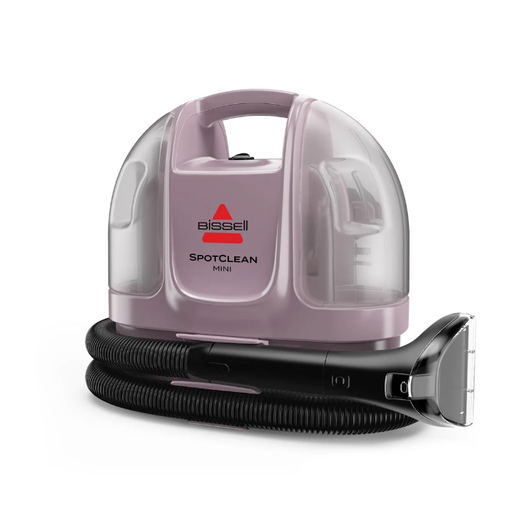
Why this product suits you: Its compact design is ideal for homes with limited storage space, as well as occasional stains on stairs, upholstery and in your car.
Rather than focusing on wattage alone, this model uses a system that sprays, brushes and picks up dirt.
A compact, corded machine with Triple-Action cleaning for upholstery, stairs, car interiors and everyday stains.

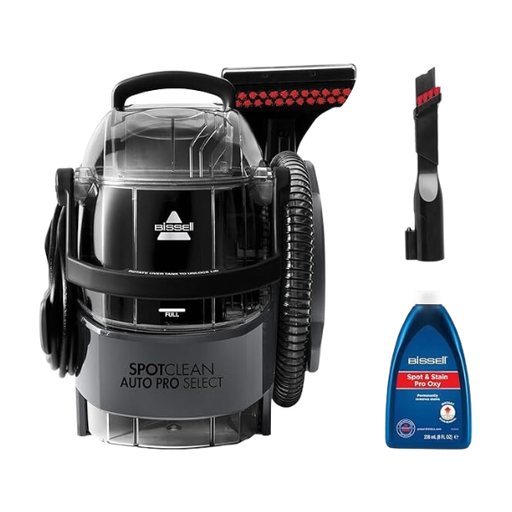
Why this product suits you: The 600-watt motor, stated suction power of 17 kPa and separate water tanks make it a good fit for regular spot cleaning around the home.
The product specifications state both the motor power and suction power, making it easier to assess the technical features than with a simple marketing claim.
Wet and deep cleaning with a flexible hose, plus separate clean and dirty water tanks.
Why this product suits you: For car owners and homes with larger areas to clean, the 1.5-metre hose, 15-centimetre cleaning nozzle and XL brush offer plenty of practical options.
Its intended uses are set out with specific accessory and reach details, rather than making an unrestricted claim that it’s suitable for every surface.
750-watt motor, Dual-Tank system with a total capacity of 2.8 litres and a 6.7-metre power cable, according to the product specifications.
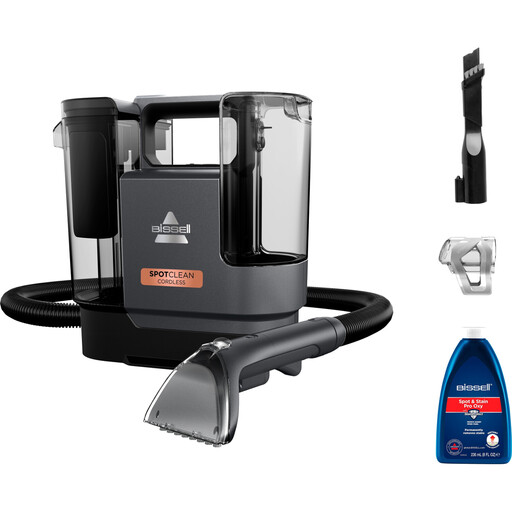
Why this product suits you: Its cordless design is handy for quick cleaning in the car, on stairs or in places where a socket isn’t easy to reach.
Its limited run time of around 20 to 25 minutes and charging time of three to four hours are clearly stated, so you can factor them in before buying.
18-volt lithium-ion battery, separate 0.9- and 0.8-litre tanks, plus Tough-Stain and HydroRinse tools.
For an even result, follow these steps:
Don’t use the wet cleaner on flammable liquids, and don’t immerse the main unit in water. Also, never fill the tank above the “MAX” mark.
We’ve put together a complete, regularly updated list of products that meet these strict selection criteria and fully comply with the safety regulations in force in the EU.
Drying time depends on the fabric, room temperature, humidity and the amount of water used. Vacuuming with slow movements helps reduce residual moisture. Good ventilation and leaving enough time before using the carpet again are also important.
Yes, as long as the manufacturer says the upholstery is water-resistant. Remove any loose dirt first, and protect plastic or electronic components. If the seat upholstery is delicate, test the cleaner on a hidden area.
In addition to electricity, you’ll need to budget for water and cleaning solution. Corded machines don’t need their batteries replaced, while cordless models need recharging after use. Tank capacity, cleaning solution consumption and maintenance requirements also affect the overall cost.