
Lieferung heute & morgen

Qualitätsgarantie

Willkommens-Angebote freischalten: KOSTENLOSE Lieferung | Bis zu 80 % RABATT | Kostenlose 30-Tage-JoyPlus-Testphase
App herunterladen
For many, good coffee is essential, but on the go, compromises are often necessary. A portable coffee maker promises a solution, but the market is overwhelming. Many devices fail to deliver on their promises, leading to disappointment instead of enjoyment. Before you make a decision, it's crucial to understand the common pitfalls that often lead to buyer's remorse.
As a Joybuy Product Recommendation Officer, my job is to filter market information and provide you with objective, practical advice. This guide will help you identify the key features and make the right choice for your needs.
Manufacturers' advertising claims are often tempting, but the reality is frequently different. Pay close attention to these three points to avoid a bad investment:
To find the right portable coffee maker, you should evaluate three core aspects that directly align with your individual requirements.
The method of coffee preparation significantly determines the taste, effort, and range of applications.
Your choice depends on where and how self-sufficiently you want to prepare your coffee.
The choice between grounds and capsules is a matter of personal taste, convenience, and sustainability.
Here are some recommendations tailored to specific use cases that successfully navigate the pitfalls mentioned earlier.
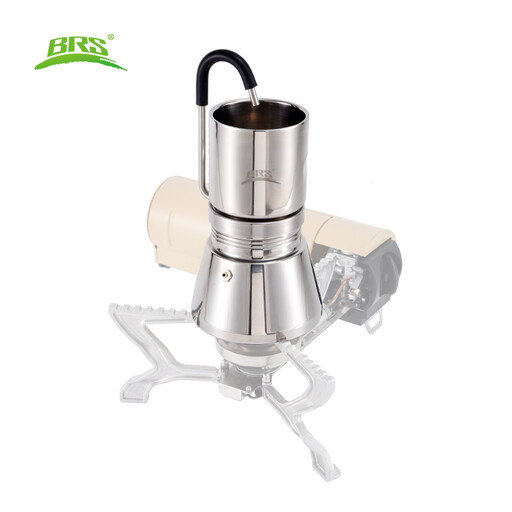
Why This Fits Their Persona: Ideal for campers and hikers looking for a completely reliable, power-independent solution. Preparing it on a gas stove or over a fire is part of the outdoor experience.
Completely bypasses the battery and electronics trap. The food-grade stainless steel construction prevents any taste alteration and is extremely easy to clean.
Extremely robust and durable; compatible with various heat sources; no electronics that can fail.
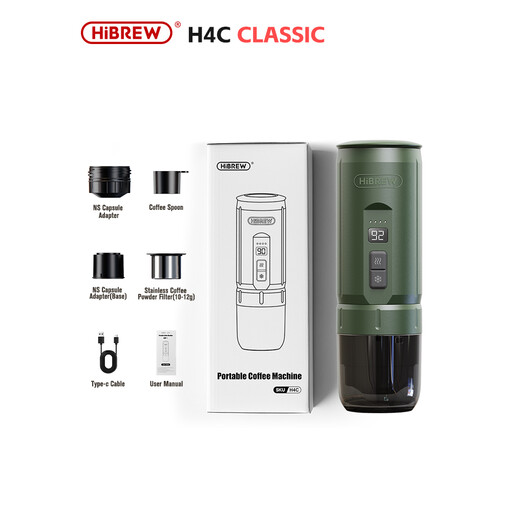
Why This Fits Their Persona: Perfect for business travellers or commuters who don't want to compromise on high-quality espresso in a hotel, office, or car. The 3-in-1 compatibility offers maximum flexibility.
Addresses the pressure problem with a 20-bar high-pressure pump for authentic crema. The 7500 mAh battery is detachable and provides enough power for multiple brews, avoiding the weak battery trap.
3-in-1 compatibility (grounds, NS & DG capsules); adjustable temperature and brew volume; IPX4 waterproof.
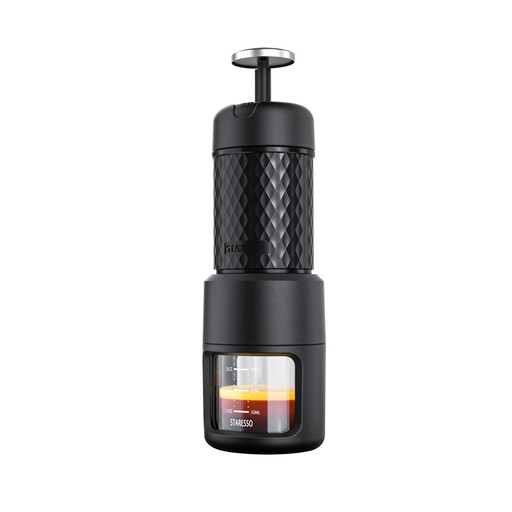
Why This Fits Their Persona: A great choice for students, office workers, or occasional users who want real espresso without the hassle and cost of an electric device.
The manual pressure system is designed to generate true espresso pressure, bypassing the weak pump trap. The 304 stainless steel inner chamber and modular design solve the cleaning and material quality issues.
No power source needed; compatible with capsules and grounds; very compact and lightweight; easy to disassemble for cleaning.
We have compiled a complete, up-to-date list of products that fully meet these strict selection criteria and safety regulations.
Proper cleaning is crucial for taste and hygiene. For most models, you should rinse all parts that come into contact with coffee with clear water immediately after use. Avoid harsh detergents, as they can leave residue. With electric devices, ensure no moisture gets into the electronics or charging ports. Models with stainless steel components have an advantage here, as they do not absorb odours and are easy to clean.
This depends entirely on your travel style. For car trips and camping with a vehicle, a 12V connection is very practical. For maximum independence on hikes or in places without electricity, a manual espresso maker or a moka pot for a gas stove is the most reliable choice. A battery-powered coffee maker is the all-rounder for hotels, offices, and short trips, provided you have a way to recharge it.
Yes, it's possible if the device meets the technical requirements. The key is a sufficiently high and consistent brewing pressure to extract a rich crema and full-bodied flavour. Electric models with 15-20 bar pump pressure and good manual press systems can deliver results comparable to a home espresso machine. Using freshly ground coffee and the correct water temperature (approx. 90–95 °C / 195–205 °F) is equally important.