
Lieferung heute & morgen

Qualitätsgarantie

Willkommens-Angebote freischalten: KOSTENLOSE Lieferung | Bis zu 80 % RABATT | Kostenlose 30-Tage-JoyPlus-Testphase
App herunterladen
A portable electric breast pump can make expressing milk easier in everyday life when cables, power sockets and lengthy preparation are impractical. At the same time, wearable models vary considerably in terms of fit, battery life, cleaning and operation. The product name alone says little about whether a pump suits your personal routine.
That is why it is worth looking at the actual technical specifications before buying. Three marketing pitfalls in particular often lead to disappointing purchases.
A wireless breast pump does not need to be connected to the mains while in use. This makes it portable, but says nothing about how it is attached to your body. A conventional electric breast pump for use on the go may run on a battery, but could still require bottles, tubes or a separate holder.
A hands-free breast pump, or wearable breast pump, sits inside your bra and collects milk in an integrated container. This design is practical for the office, household tasks or travelling. However, your bra needs to provide sufficient support, and the pump should not be so bulky that it gets in the way during everyday activities.
A breast pump with adjustable suction strength allows for more personalised operation. However, nine or 15 levels only make sense if the breast shield fits correctly. An opening that is too large or too small can cause leaks, pressure points or an uneven seal.
So, check which inserts are included. Some models come with several sizes, such as 17, 19, 21 and 24 mm. The correct size should be based on your individual anatomy and the manufacturer’s guidance, rather than on the standard size alone.
Figures such as “up to 180 minutes” or “up to six sessions” are manufacturer estimates. Actual battery life depends on factors including suction level, operating mode, charge level and battery age. If you regularly express milk away from home, it is also important to check whether the pump has a USB-C port and how long it takes to charge.
A portable breast pump should form a close seal around the breast without creating uncomfortable pressure. Flexible silicone components and several flange or insert sizes are useful features. For a BPA-free breast pump, the product description should explicitly state which milk-contact components are BPA-free.
A closed system prevents milk from entering the motor or tubing. This can make cleaning more straightforward. Nevertheless, all parts that come into contact with breast milk must be dismantled and cleaned according to the manufacturer’s instructions. The motor housing must generally not be immersed in water.
Common options include a stimulation or massage mode and an expressing mode. Some devices also offer a combined mode. What matters is whether the intensity can be adjusted gradually and whether the controls remain accessible while you are wearing the pump.
More settings are not automatically necessary. For occasional expressing, a compact electric breast pump for use on the go with a few clear programmes may be sufficient. If you use it more frequently, a memory function, timer or app control can provide additional convenience.
Weight is particularly important with wearable models because the pump is worn inside your bra. The diameter of the collection container can also affect your freedom of movement. A quiet breast pump is especially useful in the office or shared spaces. However, decibel ratings should only be compared when they have been measured under similar conditions.
You should also check:
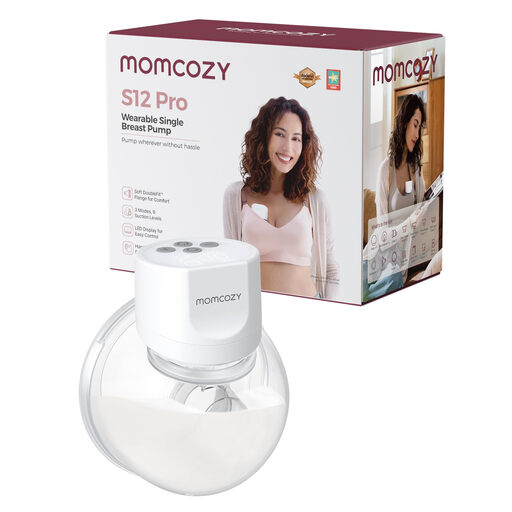
Why this product suits this profile: The single pump is suitable for users who want to try a wearable model first or only express from one breast at a time. Several flange inserts are included.
The product specifications list four size options from 17 to 24 mm and nine adjustable suction levels. This makes it easier to check the fit more precisely before use.
One device, USB charging cable, three modes and BPA-free silicone components, according to the manufacturer’s specifications.
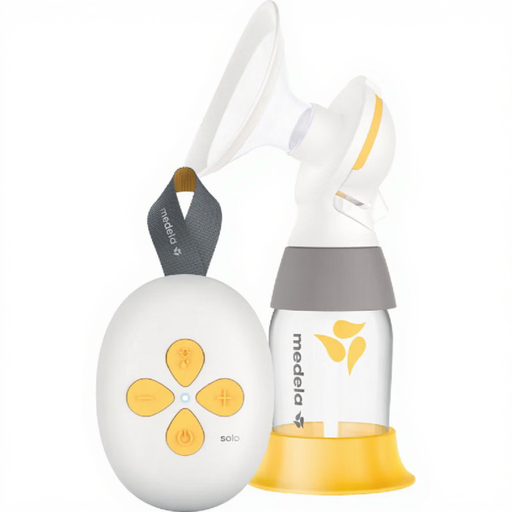
Why this product suits this profile: This single pump is aimed at users who value a closed system, USB-C charging and straightforward controls.
The closed system reduces the risk of milk entering the motor. The manufacturer states a noise level of below 45 dB.
2-phase technology, rotatable PersonalFit Flex breast shield and a battery that, according to the manufacturer, provides up to six pumping sessions.
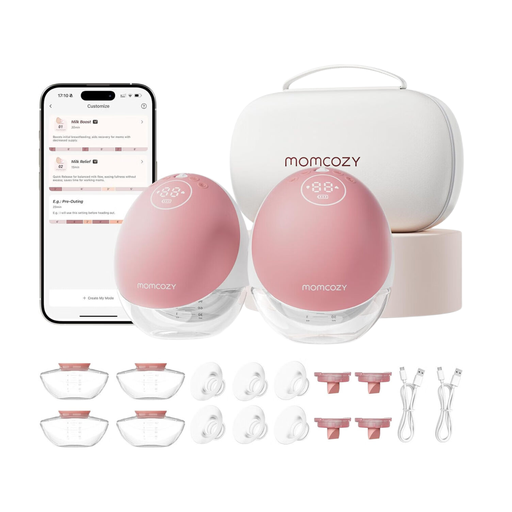
Why this product suits this profile: The double set is ideal for users who express frequently and want to use both sides at the same time, whether at home or in the office.
The choice of several inserts addresses the common issue of finding the right fit. You can also set up to 15 suction levels using the pump or app.
Two pump units, app control, USB-C batteries and a storage box, according to the product description.
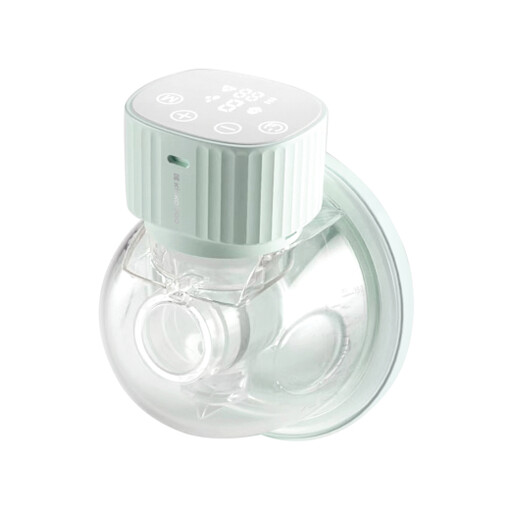
Why this product suits this profile: This compact model is suitable for users looking for a portable breast pump with a memory function, timer and USB-C charging.
The product data specifies 120 minutes of battery life, a 1100-mAh battery and nine suction levels. This provides clear details on the key mobility specifications.
Three modes, anti-backflow protection and BPA-free materials, according to the manufacturer’s specifications.
We have put together a complete, regularly updated list of products that fully meet these strict selection criteria and the safety regulations applicable in the EU.
Before using it for the first time, all milk-contact parts should be cleaned and, where necessary, sterilised according to the instructions. Then fit the correct flange insert and check that the seals and collection container are properly connected. The breast shield should be centred. Start with a low suction level and only increase it for as long as use remains comfortable. If you experience pain, stop using the pump and seek breastfeeding or lactation advice if necessary.
This depends on the model and the intensity selected. In this selection, the manufacturers’ specifications range from up to 120 minutes to up to six pumping sessions. For working days or travelling, it is advisable to charge the battery fully beforehand and take a suitable USB cable with you. With frequent use, replacement parts such as valves and seals may be more important than an additional suction level.
In addition to the purchase price, you may need to budget for replacement valves, membranes, flange inserts and, where applicable, milk containers. These parts should be checked regularly for cracks, deformation and deteriorating seals. Also check whether the manufacturer offers replacement parts separately. A double set can be practical if you regularly express from both breasts, but it also includes more components that need to be cleaned and stored.