
Lieferung heute & morgen

Qualitätsgarantie

Willkommens-Angebote freischalten: KOSTENLOSE Lieferung | Bis zu 80 % RABATT | Kostenlose 30-Tage-JoyPlus-Testphase
App herunterladen
The selection of camping grills is vast, but not every model lives up to its promise. Many buyers invest in a portable grill only to discover after a short time that it's unsuitable for real-world use. Before you make a decision, it's important to know the common pitfalls that often lead to disappointment.
A frequent problem is unstable construction. A wobbly grill is not only a safety hazard but also makes cooking on uneven ground—common when camping—nearly impossible. Another annoyance is misleading weight and size specs. A grill advertised as "portable" that turns out to be bulky and heavy defeats its purpose, especially if it needs to be carried in a backpack. Finally, poor heat regulation, due to a lack of ventilation options or overly thin materials, often leads to uneven cooking results and wasted fuel.
To avoid a bad purchase, you should check three core parameters. These will help you objectively evaluate a model's performance and durability.
The quality of a grill depends heavily on the material used. Basic models made of thin sheet metal tend to warp at high temperatures and rust quickly. Look for more robust materials like stainless steel or powder-coated carbon steel. A material thickness of 0.7 mm or more for the fire bowl is a good indicator of longevity. For a charcoal grill, chrome-plated grill grates are also advantageous as they distribute heat evenly and are easy to clean.
For a portable grill, these two factors are crucial. Define your primary use case:
The choice of fuel affects convenience, flavour, and versatility.
Based on these objective criteria, we have identified several models suitable for specific user groups.
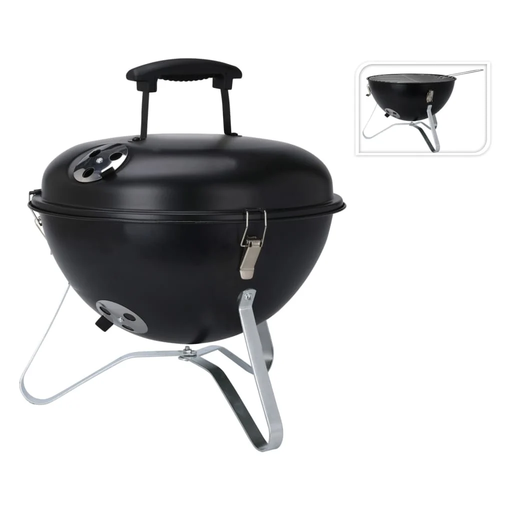
Why this model is a good fit: Ideal for use as a balcony grill or for picnics. The classic kettle grill design is straightforward and delivers the typical charcoal flavour. Thanks to its compact size, it's easy to transport and store.
The sturdy metal frame and three locking clips ensure secure stability and transport, thus bypassing the problem of instability. Two air vents allow for basic heat regulation.
The carbon steel construction with a fire-resistant powder coating is robust for this price point. The GS and T?V certifications signal compliance with safety standards.
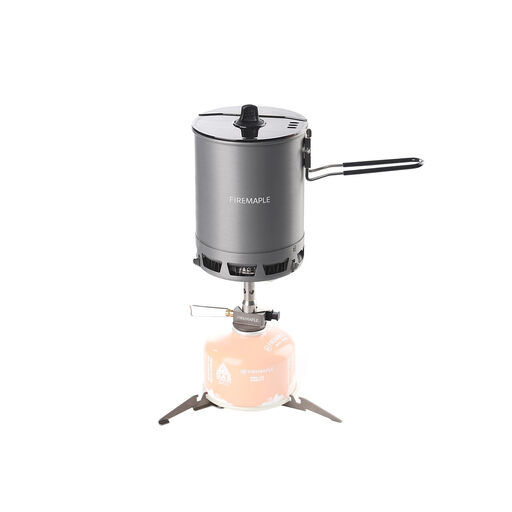
Why this model is a good fit: This cooking system is designed for solo hikers where every gram counts. It's not a grill, but a high-efficiency camping stove for quickly boiling water or preparing a meal.
With a total weight of just 265 grams and a fully nesting design, it solves the problem of misleading weight and size specs. The heat exchanger pot counteracts fuel waste.
The extremely low weight and compact pack size are its main advantages. The stove's stable three-point base ensures safety even on uneven ground.
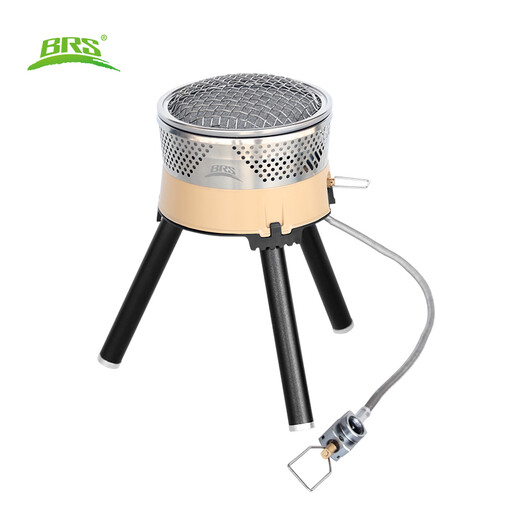
Why this model is a good fit: This high-performance outdoor cooker is for campers who value speed and flexibility. It is ideal for quickly preparing meals for several people during car camping or as an emergency stove.
The stainless steel and aluminium alloy construction is robust and durable, avoiding the pitfall of inferior materials. The clear power rating of 1900W is an objective value, not a vague marketing claim.
The high power, which brings 1 litre of water to a boil in 3 minutes according to the manufacturer, is a clear efficiency advantage. Compatibility with both butane and propane gas offers flexibility in fuel choice.
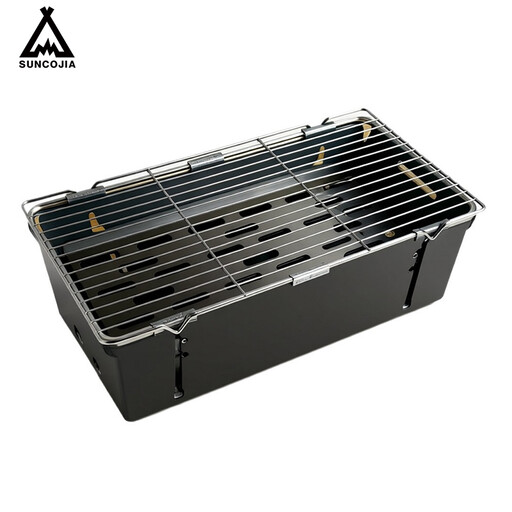
Why this model is a good fit: This robust folding grill is designed for use in small groups, such as during camping, at festivals, or for picnics in the park. It can be set up and taken down quickly and offers a solid grilling surface.
The body, made of thickened carbon steel, resists high temperatures and warping, thus countering the problem of unstable constructions. The weight of approx. 3.6 kg is reasonable for a portable grill of this size and is clearly communicated.
The quick-fold mechanism with no loose parts makes setup straightforward. The included Oxford fabric bag facilitates transport and storage.
We have compiled a complete, up-to-date list of products that fully meet these strict selection criteria and German safety regulations.
Let the grill cool down completely after use. Remove ash and large food residues. The grill grate is best cleaned with a wire brush. Wipe the body with a damp cloth and dry it thoroughly to prevent rust. Store the grill in a dry place, ideally in the supplied bag.
Both fuel types have their merits. Gas is clean, fast, and the temperature can be precisely controlled. It's ideal when you need things done quickly. Charcoal offers the authentic barbecue flavour but is more complex to handle and creates more mess. Additionally, in some areas or during high wildfire risk, open fires, and thus charcoal grills, may be prohibited. The choice depends on your personal preferences and the intended location of use.
First, check the building regulations of your homeowners' association or your rental agreement, as grilling on the balcony is not always permitted. Use a stable tabletop grill or a small grill with a secure base. Always maintain a sufficient safety distance from flammable materials such as facades, furniture, or plants, and never leave the grill unattended.