
Lieferung heute & morgen

Qualitätsgarantie
App herunterladen
Kategorien
A portable grill offers the flexibility to enjoy a barbecue experience in various locations—whether on the balcony, while camping, or during a picnic. Selecting the right model depends on specific requirements for portability, fuel type, grilling surface, and material. This guide analyses the technical criteria and presents a selection of models with different specialisations.
Choosing an on-the-go grill should be based on an objective evaluation of parameters that directly impact its intended use.
The choice of fuel is fundamental and significantly determines the handling, weight, and flavour profile.
For a camping grill, packed size and weight are crucial factors.
The materials used influence the grill's durability and thermal properties.
The size of the grilling surface, usually specified in square centimetres (cm²), indicates how many people the grill is designed for.
Based on the criteria mentioned, we present three models with different technical specifications.
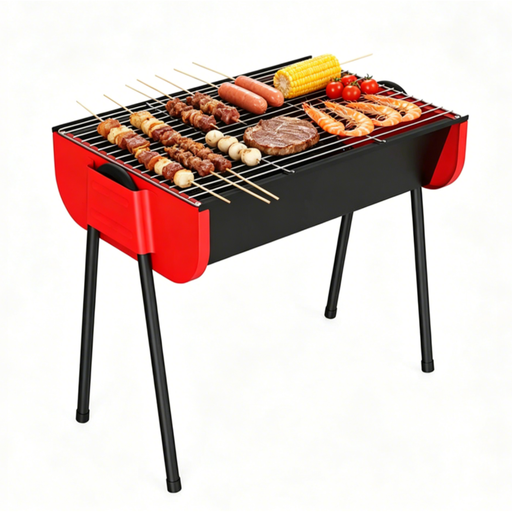
Why we recommend this product: This model combines a grilling surface sufficient for small groups with a low weight and a well-designed transport solution. The included protective cover, which doubles as a carry bag, directly addresses the problem of clean transport after use.
Advantages:
Who it's for: Users looking for a lightweight charcoal grill for trips by car, to the beach, or for the campsite, who value clean and easy transport.
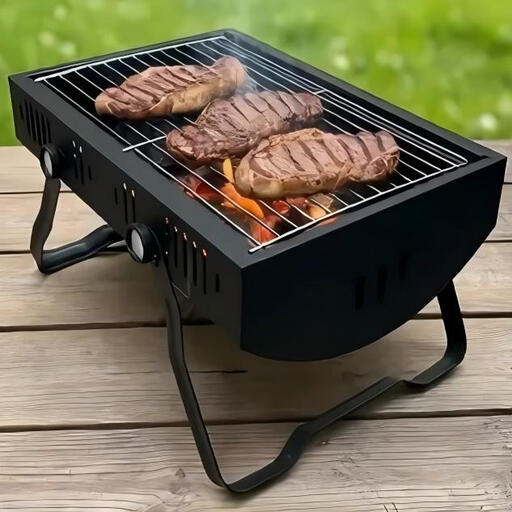
Why we recommend this product: This model prioritises maximum portability and minimal weight. At 1.7 kg, it is one of the lighter models on the market and, thanks to its compact dimensions, even fits into a large backpack.
Advantages:
Who it's for: Solo travellers, hikers, couples, or individuals with very limited storage space, such as for a small balcony grill, who are looking for a straightforward and quick grilling solution for small portions.
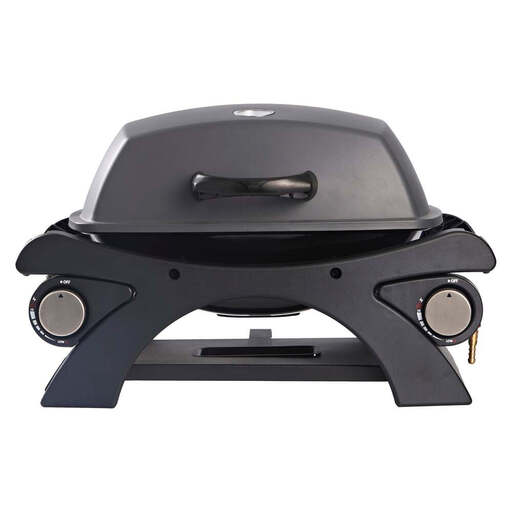
Why we recommend this product: This small gas grill offers the convenience and performance of a larger model in a portable format. Its features, including two burners, a cast-iron grate, and piezo ignition, are aimed at users who value control and clean handling.
Advantages:
Who it's for: Users who prefer the convenience of a gas grill and are willing to accept a higher weight (12 kg) in exchange for more power and features. Ideal for use on the balcony, in the garden, or when car camping.
If the models presented here do not exactly meet your requirements, or if you are looking for other alternatives, you can find a wider selection of grills in our Outdoor Grill category. There you will find more models with different specifications for various applications.
1. What should be considered when grilling on a balcony? First, check your building's regulations or your rental agreement to see if grilling with charcoal or gas is permitted on the balcony. Gas or electric grills are often preferred as they produce less smoke and odour. Always ensure a fireproof surface and maintain a safe distance from flammable materials. The grill should never be left unattended.
2. What is the best way to clean a portable grill? Cleaning is easiest when the grill is still warm. For charcoal grills, you can "burn off" the grate at high heat after grilling and then brush it with a grill brush. This principle also works for gas grills. The ash from charcoal grills must cool completely before being disposed of in the general waste. Grease trays should be emptied and cleaned regularly.
3. Which fuel is better for a camping grill? The choice depends on your priorities. Charcoal is ideal for purists who appreciate the authentic flavour and prefer a lighter packed weight. Gas is the better choice for campers who prioritise convenience, speed, and clean handling. Additionally, temperature control is more precise with gas, which can be an advantage for delicate foods.
Written by: Joybuy Product Recommendation Officer