Anyone who wants to keep using their existing pan
If you want to use a pan from the shared kitchen, first check that its base material and diameter are suitable for the heating technology you choose.


For a single pan, a portable single hob is a sensible starting point. Induction is a good fit if the pan base matches the cooking zone; a radiant or cast-iron hob may suit other pans. You should also consider how easy it is to select a low heat setting, how much space the whole appliance takes up and where it can cool down safely. The power rating alone won’t tell you how gently the compote will simmer in the pan.
If you want to use a pan from the shared kitchen, first check that its base material and diameter are suitable for the heating technology you choose.
When several people share the same kitchen, the hob’s overall dimensions and a place for it to cool down matter just as much as the cooking zone.
If you want to turn the heat down after bringing it to the boil, look for an easy-to-reach low setting and keep an eye on the contents of the pan.
A good fit if: Your pan has a suitable ferromagnetic base and fits the cooking zone.
Things to consider: Unsuitable or incorrectly positioned cookware may prevent the hob from working; the pan and hob may be hot after cooking.
A good fit if: You want to keep using a pan that isn’t suitable for induction and prefer a smooth cooking surface.
Things to consider: The cooking surface takes time to cool down after switching off; also check how much space the whole appliance takes up.
A good fit if: A simple rotary control and the ability to use a pan that isn’t suitable for induction are important to you.
Things to consider: The heating ring and pan stay hot after cooking, so make sure there’s a safe place for them to cool down.
The EDEKA recipe simmers the apple compote gently for around five minutes. So, as well as heating it up, it’s worth considering how easy it is to turn the hob down to a low setting.
| What matters | What to check before buying | Who is this important to? |
|---|---|---|
| Existing pan | Check that the base material, flatness and diameter are compatible with the specific cooking zone. Rommelsbacher gives a cooking-zone diameter of 120–230 mm for the CT 2020/IN. | If I want to keep using my pan, I’ll first check that it’s suitable for the heating technology. Around 31% of consumers put compatibility with their existing pan first. |
| Gentle simmering | Check that it’s easy to select a low setting; keep an eye on the contents of the pan while cooking and stir if needed. | If I want to turn the heat down easily once the pan has come to the boil, simple low-heat controls are essential. Around 25% of consumers prioritise control when simmering gently. |
| Worktop space and storage | Compare the available space with the appliance’s full dimensions, and leave room for the cable and for the hob to cool down safely. | If I share my worktop with others, the appliance and cable need to fit neatly. Around 25% of consumers consider space requirements their top priority. |
| Cooling and cleaning | Follow the instructions for positioning and cleaning; let the hob cool down before putting it away, and check the plug and cable. | If several people use the same kitchen, I want to be able to let the hob cool down safely and clean it thoroughly afterwards. Around 19% of consumers prioritise ease of use and care. |
Induction requires a suitable base and the right size. Otherwise, you won’t be able to use the hob as intended with that pan.
Before choosing a heating technology, compare your pan’s base and diameter with the specifications for the particular cooking zone.
If your existing pan isn’t compatible, you may need to buy suitable cookware as well.
The setting selected on the appliance doesn’t tell you what temperature the apple compote reaches in the pan.
Look for easy-to-use low settings and keep an eye on the compote as it simmers.
The appliance’s overall dimensions determine whether it will fit on a shared worktop. Radiant cooking surfaces also need a safe place to cool down.
Compare the appliance’s width and depth with the available space, and allow for the cable route and a place to put it after cooking.
The brands below offer different heating technologies and appliance designs. The features listed apply to the specific product ranges and models, not necessarily to the whole range.
The CT 2020/IN is a portable induction hob, while the CT 2203/TC uses radiant heating beneath a glass-ceramic surface.
The KP 1026 is a portable induction hob, while the KP 1092 is a cast-iron single hob.
The SIKP 2200 B1 portable induction hob is a model reviewed by F.A.Z. Kaufkompass.
The EKI 3569 is a portable single induction hob with touch controls and pan detection.
The selection includes portable single hobs for one pan, as well as a two-zone ceramic hob. Before buying, check that your pan, the heating technology and the available space are right for your kitchen. CE marking is compulsory for electrical appliances covered by the relevant EU regulations, but it is not an independent quality mark. The German Federal Network Agency also lists German-language operating and safety instructions among the accompanying documents to check. Check these details on the specific product listing.
 No image available
A cast-iron hob with a rotary control is worth considering if you want to use a pan that isn’t suitable for induction.
According to Severin, the heating ring has a diameter of 18 cm and the power rating is 1.500 W. The temperature control is stepless.
 No image available
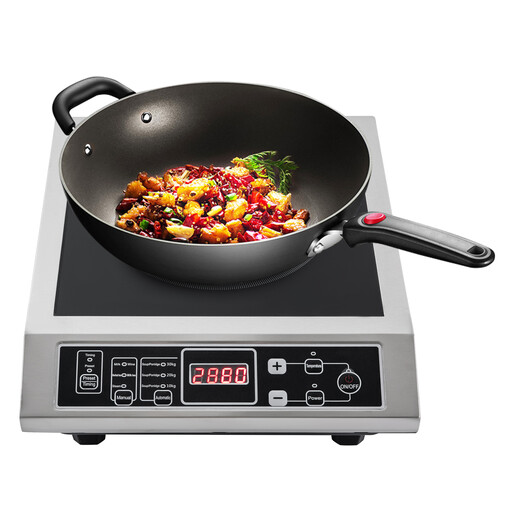
As an induction hob, this model requires a pan with a suitable base that fits the cooking zone.
The product name lists eight temperature settings, a timer and a power range of 800–3.500 W.
 No image available
It’s suitable for a single pan if the base is magnetic and the diameter matches the cooking zone.
The product name lists nine heat settings, touch controls and an 8-hour timer.
 No image available
As an induction hob, it’s designed for use with a pan that has a suitable base; check that the pan’s diameter matches the cooking zone.
The product name lists five heat settings and one cooking zone.
 No image available
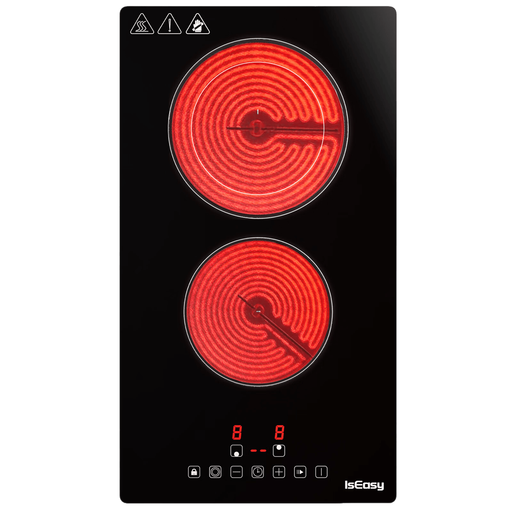
A ceramic hob with two cooking zones is an alternative to a single hob; check that it fits the worktop space available.
The product name lists nine power settings, a pause function, child lock and overheat protection.
Check that the pan’s base is ferromagnetic and flat, and that its diameter matches the cooking zone on the specific model. Rommelsbacher gives a cooking-zone size of 120–230 mm for the CT 2020/IN; knowing the pan’s material alone isn’t enough – you need to check the base.
No. The EDEKA recipe calls for a gentle simmer, so it’s important to turn the heat down to a low setting. A power rating or temperature setting doesn’t guarantee a particular temperature inside the pan.
Follow the instructions for the specific appliance, check the cable and casing before use, and let hot parts cool down before cleaning or putting the hob away. The VDE advises against continuing to use appliances with damaged parts.
CE marking is compulsory for electrical appliances covered by the relevant harmonised EU regulations, but it is not an independent quality mark. The German Federal Network Agency also lists German-language operating and safety instructions among the accompanying documents retailers should check. Check the details on the specific product listing.
Your statutory rights against the seller are separate from any voluntary manufacturer’s guarantee. Online purchases generally come with a 14-day right to cancel; check the terms of the specific offer and keep your proof of purchase and product documents.