If your small saucepan has a ferromagnetic base and is compatible with the hob, a portable induction hob with easy-to-reach power controls is a suitable option. Otherwise, consider a radiant ceramic hob or a solid hotplate. CASO specifies a pan size range of 12–24 cm for the S-Line 2100, while ROMMELSBACHER says the CT 2200/E has switchable heating zones. However, the appliance’s settings don’t tell you the temperature of the caramel. If your sauce contains cream, you should also plan to keep it chilled during storage and transport.
Who is a portable hob suitable for?
Caramel makers with a compatible induction pan
If you’re making small portions of sauce, you’ll want to be able to adjust the power easily, and your pan base needs to suit the heating technology and cooking zone. CASO and ROMMELSBACHER provide model-specific information on compatible cookware and settings.
Cooks with an existing non-induction pan
If you’d like to keep using your small pan, consider a radiant ceramic hob or a solid hotplate. ROMMELSBACHER and SEVERIN describe suitable models with their own heating surfaces and controls.
Lunch-box preppers with limited space
An extra cooking zone needs room for the appliance, pan and cooling. If your sauce contains cream, you’ll also need to plan for chilled transport. The German Federal Institute for Risk Assessment recommends keeping perishable foods chilled until they’re eaten.
What should you look for when buying?
| What matters |
What to look for when buying |
Who it matters most to |
| Adjusting the heat |
Check that the controls are easy to reach and that you can change the settings while cooking. Stay by the pan while caramelising. |
If I want to adjust the heat in good time while browning, I look for easy-to-use controls. Around 36% of consumers say this is their main priority. |
| Using an existing pan |
Check the base material and diameter against the heating technology and the specifications for the particular model. |
If I want to keep using my small pan, the key thing is whether its base and size are compatible with the hob. Around 29% of consumers prioritise this pan compatibility. |
| Space and plug access |
Measure the space needed for the hob, pan and handles, and check that the cable can reach a suitable socket. |
If you only need to fit in an extra cooking zone, you’ll also need to leave room for it to cool down. Around 21% of consumers prioritise a suitable position and an accessible socket. |
| Cleaning and clearing up |
Check the surface material and any residual heat guidance. Plan how you’ll cool and transport the sauce separately from the hob. |
If I’m preparing several lunch portions, cleaning and safe handling afterwards matter to me. Around 14% of consumers put these points first. |
For mains-powered appliances covered by the EU Low Voltage Directive, the required CE marking should be present. The European Commission assigns responsibility for meeting the applicable requirements to the manufacturer. Check the information supplied with the specific appliance.
Avoid common assumptions
-
Ceramic glass doesn’t automatically mean induction
A ceramic glass surface can be heated by induction or by a radiant heating element. Induction requires suitable ferromagnetic cookware.
First check the heating technology, then compare your pan’s base material and diameter with the model specifications.
If your pan isn’t suitable for induction, you may need compatible cookware.
-
Power settings don’t guarantee perfect caramel
The settings describe the appliance’s controls, not the measured temperature of the sugar. The hot mixture may splatter when you add cream.
Choose controls that are easy to use, keep an eye on the colour as it browns, and stir in the cream carefully.
-
It’s not just the appliance that needs space
You’ll also need to allow for the pan and cable. A radiant hob may retain heat after it’s switched off.
Before buying, check the distance to the socket and set aside a safe place for the hob to cool.
-
A hob won’t keep your lunch portion chilled
Choosing a hob doesn’t replace careful decanting or chilling a sauce that contains cream. The German Federal Institute for Risk Assessment recommends keeping perishable foods chilled until they’re eaten.
Plan for chilled storage and transport separately from preparation.
You may need a suitable way to keep the sauce cool while transporting it.
An overview of relevant brands
CASO Design
The S-Line 2100 is a portable single induction hob for pans within the size range specified by the manufacturer.
- CASO specifies 12 power levels and a pan size range of 12–24 cm.
- Your pan must be suitable for induction and within the specified size range. The settings don’t measure the temperature of the caramel.
ROMMELSBACHER
The CT 2020/IN is a portable induction model, while the CT 2200/E offers a radiant ceramic glass alternative.
- ROMMELSBACHER specifies 10 power levels for the CT 2020/IN. According to the manufacturer, the CT 2200/E has a stepless control, two heating zones and a residual heat indicator.
- The induction hob requires a ferromagnetic pan base. With the CT 2200/E, the heating zones need to suit your pan.
SEVERIN
The KP 1092 is a single solid hotplate for compatible pans, if you’d rather not use induction.
- SEVERIN specifies an 18 cm diameter heating ring and stepless control for this model.
- SEVERIN specifies a 880 mm cable for the KP 1092 and says that repair service isn’t available. Plan where to position it and plug it in accordingly.
ProfiCook
The PC-EKI 1062 is a portable single induction hob.
- ProfiCook specifies 10 power levels and 10 temperature settings, as well as pan detection and overheat protection.
- Your pan still needs to be suitable for induction, and the appliance settings don’t guarantee a particular caramel result.
WMF
The Kult X Mono is a portable single induction hob with touch controls and additional programmes.
- WMF specifies eight power levels and six programmes for this model.
- The number of programmes doesn’t guarantee a particular result when caramelising. You’ll also need a pan that’s suitable for induction.
Joybuy products
The following Joybuy products include portable induction hobs and a portable radiant hob, each with a single cooking zone. Your pan needs to be suitable for induction if you choose an induction model. Before buying, also check the labelling and specifications for the specific appliance.
 No image available
IsEasy induction hob, 2,100 W, 9 heat settings
A portable single cooking zone, provided your pan is suitable for induction.
2,100 W; 9 heat settings; 8-hour timer; touch controls.
Joybuy
 No image available
Portable induction hob, 1,000 W, 5 power settings
An option for an extra cooking zone, if your pan is suitable for induction.
1,000 W; 5 power settings; rotary control.
Joybuy
 No image available
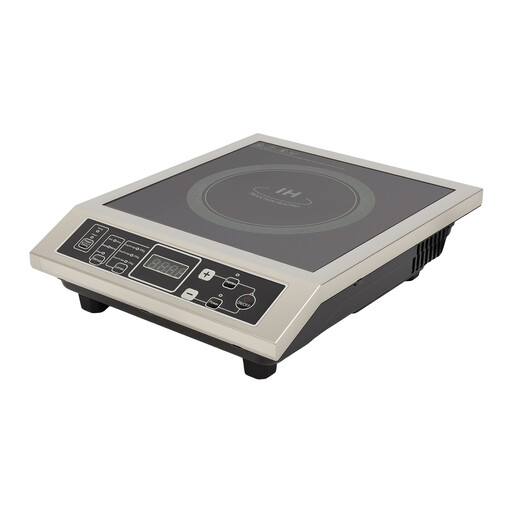
Portable induction hob, 3,500 W, 10 power settings
For a portable cooking zone, if your cookware is suitable for induction.
3,500 W; IGBT heating; 10 power settings; timer pre-selection; IPX4; EU plug.
Joybuy
 No image available
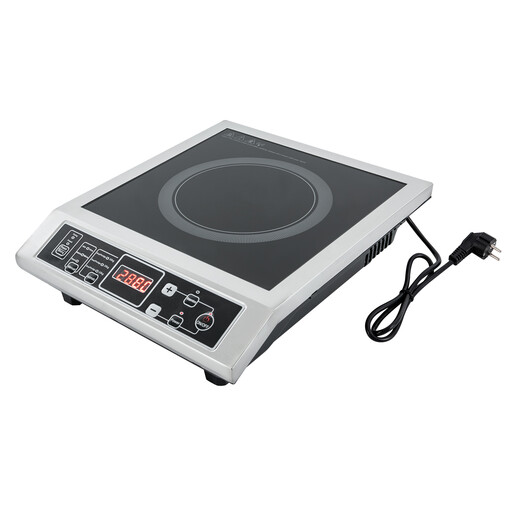
Tabletop induction hob, 3,500 W, 8 power settings
Another portable cooking zone, provided your pan is suitable for induction.
3,500 W; 8 power and temperature settings; timer pre-selection; IPX4; EU plug.
Joybuy
 No image available
dtl06 infrared hob, 3,500 W
A radiant hob alternative if you don’t want to rely on having an induction-compatible pan.
3,500 W; ceramic glass surface; touch and rotary controls; timer.
Joybuy
Frequently asked questions
Are temperature settings enough to stop caramel burning?
No. Appliance settings don’t measure the temperature of the caramel. Keep an eye on the colour as it browns. Dr Oetker’s salted caramel recipe recommends taking the pan off the heat before carefully stirring in the cream, and warns that it may splatter.
Can I use any small pan on an induction hob?
No. The pan base must be ferromagnetic and compatible with the hob. CASO specifies a pan size range of 12–24 cm for the S-Line 2100; this range doesn’t automatically apply to other appliances.
How should I store caramel sauce with cream until lunchtime?
For its recipe containing cream, Dr Oetker recommends storing the sauce in the fridge. The German Federal Institute for Risk Assessment recommends keeping perishable foods chilled until they’re eaten. Remember to keep the sauce chilled during transport, too.
What should I check about the CE marking on a new hob?
Appliances covered by the EU Low Voltage Directive must carry the required CE marking. The European Commission explains that the manufacturer is responsible for meeting the applicable requirements; the marking isn’t an independent quality seal. Check the information supplied with the specific appliance.


