One-pot meal preppers
If you regularly make a pot of soup to cover several work lunches, a suitable cooking zone and easy-to-use power settings are important things to look for.


If your soup pot has a suitable ferromagnetic base and you usually need only one cooking zone, a portable induction hob is a good place to start. If your cookware isn’t suitable for induction, an electric cast-iron hotplate may be an option. Two cooking zones are most useful if you regularly cook two things at once and have enough worktop space. Power settings alone don’t guarantee a steady simmer, and soup prepared in advance needs to be cooled quickly before storage.
If you regularly make a pot of soup to cover several work lunches, a suitable cooking zone and easy-to-use power settings are important things to look for.
If you want to keep using your soup pot, first check whether its base is suitable for induction. An electric cast-iron hotplate may be an alternative if it isn’t.
If you regularly cook a second dish alongside your soup, an extra cooking zone can be useful – as long as you have enough worktop space for it.
A good fit if: you usually use one pot and its base is ferromagnetic.
Bear in mind: the pot base and its diameter need to suit the cooking zone. Adjustable settings don’t indicate a specific temperature in the soup.
A good fit if: your existing pot isn’t suitable for induction and you’re looking for a single electric cooking zone.
Bear in mind: the cast-iron heating surface gets hot, so take care while cooking and as it cools down.
A good fit if: you regularly cook something alongside your soup on a second zone.
Bear in mind: the double Severin DK 1014 measures 45,7 × 29 cm and needs more worktop space than the single KP 1091, which measures 25,5 × 28,8 cm.
A good fit if: you genuinely need to cook without mains electricity and the instructions allow use at your chosen location.
Bear in mind: as well as fuel, you’ll need to handle the risks of combustion safely. The Federal Institute for Risk Assessment warns that carbon monoxide can build up indoors when using gas-powered appliances.
| What matters | What to check before buying | Who is this important to? |
|---|---|---|
| Cooking on one zone | Compare the pot base, suitable cooking zone, worktop space and controls. | If I mainly cook one pot of soup during the week, an easy-to-use single zone matters more than a second one I won’t use. Around 40 % of consumers put one-pot cooking first. |
| Keeping an existing pot | Check the base material and diameter against the hob’s specifications. | If I want to keep my soup pot, I first check that it’s suitable for induction and that it fits the cooking zone. Around 30 % of consumers prioritise continuing to use their existing pot. |
| Simmering and cleaning | Consider low power settings, a timer and the surface design. | If I want to keep cooking the soup after bringing it to the boil and easily wipe away splashes afterwards, I look at the controls and cooking surface. Around 20 % of consumers prioritise simmering and cleaning. |
| Cooking two things at once | Check the number of independently controlled zones and the space available. | If I regularly cook something else alongside the soup, a second zone can make things easier – provided there’s room for it on the worktop. Around 10 % of consumers put a second cooking zone first. |
The percentages refer to priorities when cooking carrot soup for several work lunches; they aren’t survey results. When buying a mains-powered hob for use in Germany, you should also check the CE marking, the appliance and manufacturer details, and that the German instruction manual includes the required warnings. The CE mark is not an independent quality mark.
Induction requires a suitable ferromagnetic pot base and a pot size that matches the cooking zone. Otherwise, the hob won’t be suitable for your existing cookware.
Before you buy, check the material and diameter of your pot’s base. If it isn’t suitable for induction, consider another type of electric hob.
Manufacturer details about power or adjustable temperatures don’t tell you what temperature the soup will reach in the pot.
Check whether the hob has easy-to-use low power settings, and keep an eye on the soup as it cooks.
A second cooking zone is most useful if you regularly cook two things at once. The double Severin DK 1014 needs more worktop space than the single KP 1091.
Measure the space available and choose two zones only if you’ll use them regularly.
Hot food should be cooled quickly before being stored for longer. Perishable food should also be kept chilled when you’re out and about.
The Federal Institute for Risk Assessment recommends cooling hot food quickly to below 7 °C for longer-term storage. Divide larger quantities into shallower portions to help them cool, and keep the soup chilled until you’re ready to eat it.
CASO offers portable single induction hobs; the S-Line 2100 is one example with a single cooking zone.
The CT 2010/IN is a portable single induction hob for cookware with a ferromagnetic base.
Severin offers the single electric cast-iron hotplate KP 1091 and the double DK 1014.
The EKI 3569 is a portable single induction hob.
The SIKP 2200 B1 is one example of a portable single induction hob.
The Joybuy products below include portable induction hobs with one cooking zone and a model with two. Induction hobs require suitable magnetic cookware; before buying, check the details for the specific model and make sure it’s right for your needs.
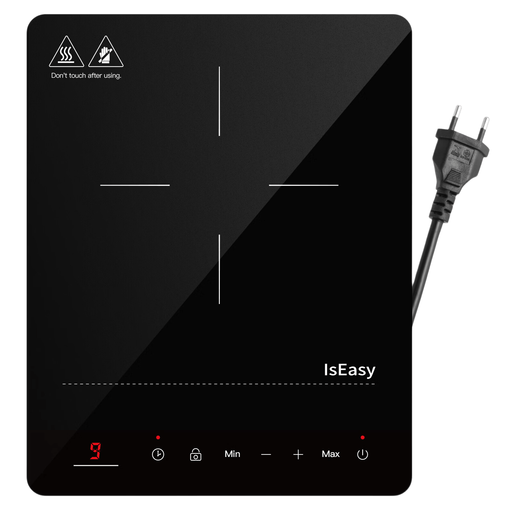 No image available
A single portable cooking zone for soup, if your cookware is suitable for induction.
The listed features include 9 heat settings, a keep-warm function, an 8-hour timer and a Max/Min function. Requires magnetic cookware suitable for induction.
 No image available
A single cooking zone with touch controls for one pot, provided its base is suitable for induction.
The listed features include a glass-ceramic surface, 9 heat settings and an 8-hour timer. The recommended pot size is 12–26 cm; cookware must be magnetic and suitable for induction.
 No image available
Two cooking zones may suit you if you regularly prepare another dish alongside your soup and have enough worktop space.
The listed features include two independently controlled cooking zones and 5 temperature settings, including settings for simmering and keeping food warm.
 No image available
A single cooking zone for making a pot of soup, if you’re using cookware suitable for induction.
The listed features include 8 temperature settings, a timer of up to 3 hours and a soup mode. Compatible magnetic cookware is required.
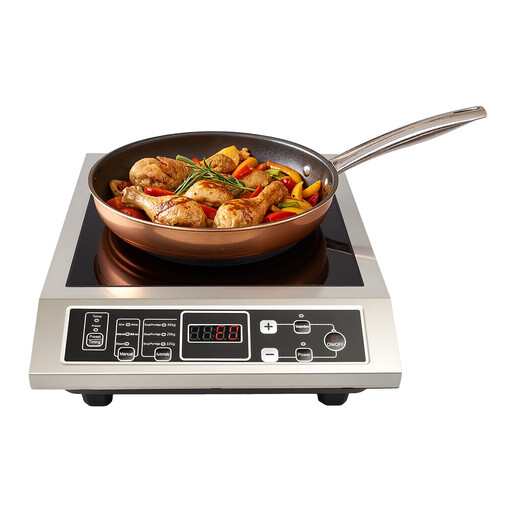 No image available
A single cooking zone for one pot, provided you meet the requirements for cookware and pot size.
The listed features include 10 power settings, a 3-hour timer and automatic pan detection. Suitable iron or stainless steel cookware is specified, with a pot base diameter of under 9,8 Zoll.
Check that the pot base is ferromagnetic and that its diameter matches the stated cooking zone. For example, Rommelsbacher lists 120 to 230 mm for the CT 2010/IN; this range doesn’t automatically apply to other hobs.
Follow the instructions for the specific model and make sure it’s standing securely. A smooth glass-ceramic surface, such as the one on the Rommelsbacher CT 2010/IN, can make cleaning easier. Wait until the appliance has cooled safely, then clean it as directed in the instructions.
The Federal Institute for Risk Assessment recommends cooling hot food quickly to below 7 °C for longer-term storage, and keeping perishable food chilled when you’re out and about. You can divide larger quantities into shallower portions to help them cool; a hob doesn’t replace refrigeration.
Appliances covered by the EU Low Voltage Directive must meet the relevant conformity requirements. The Federal Network Agency lists CE marking, identification of the appliance and manufacturer, and a German instruction manual with the required warnings as things to check. The CE mark is not an independent quality certification.
There’s no blanket answer that applies to every implant. The Federal Office for Radiation Protection advises discussing your individual circumstances with your treating doctor and checking the guidance for your specific medical device.