If you already own a tagine
If you want to keep using your tagine, first check its base material, the manufacturer’s guidance, its base diameter and its weight. A tagine with a cast-iron base isn’t the same as one made from clay.


First, check that your tagine’s base material, base diameter and filled weight are compatible with the heating type and the hob’s limits. A single slow-cooked dish will usually need just one cooking zone; two zones are useful if you want to prepare a side dish at the same time. A clay tagine isn’t automatically suitable for an electric hob just because it can heat a range of cookware.
If you want to keep using your tagine, first check its base material, the manufacturer’s guidance, its base diameter and its weight. A tagine with a cast-iron base isn’t the same as one made from clay.
For cooking vegetables and chickpeas in one pot, it’s important to choose a suitable single cooking zone. Also check that the settings let you brown the ingredients before turning the heat down to a gentle simmer.
If you want to use a second pot while the tagine is cooking, you’ll need enough space and two suitable cooking zones. Check the connection and total power output of the specific appliance, too.
First, make sure the heating type is compatible with your cookware. Then consider whether one zone will suit the way you cook, and check that the hob’s footprint and maximum load are suitable.
| What you need | What to check before buying | Who should consider this? |
|---|---|---|
| Browning and simmering | Compare the power settings, controls, timer and permitted operating time with the cooking time you have in mind. | If I want to brown the ingredients and then slow-cook them over a low heat, I need settings that are easy to manage. Around 40% of consumers prioritise control when simmering. |
| Existing cookware | Check the base material and diameter, then compare the cookware manufacturer’s guidance with the hob’s requirements. | If I want to keep using my tagine, its base needs to be compatible with the heating type. The lid and base materials aren’t necessarily the same. Around 30% of consumers prioritise cookware compatibility. |
| Space and maximum load | Measure the available space and compare the base diameter and total filled weight with the model’s specifications. | If space is limited, I want to be sure that the hob and filled cookware fit the available area and stay within the maximum load. Around 20% of consumers prioritise space and maximum load. |
| Second cooking zone | Consider whether you regularly cook a side dish at the same time. For a double hob, also check the footprint, connection and cookware requirements. | If I want to prepare a side dish alongside the tagine, I need a second cooking zone rather than a single hob. Around 10% of consumers prioritise cooking two dishes at once. |
The rated power on its own doesn’t tell you how easy it is to control the heat while simmering with a full pot. Timers and automatic shut-off times also vary between models.
Compare the controls, power settings and permitted operating time for the specific appliance, and keep an eye on your dish as it cooks.
Induction and radiant ceramic-glass hobs have different requirements. A general claim that a hob is suitable for cookware doesn’t confirm that a particular clay tagine is approved for that heating type.
Check the appliance’s heating technology and compare it with the care instructions from your cookware’s manufacturer.
If your existing cookware isn’t approved for the heating type you choose, you may need a different pot.
Le Creuset lists an unfilled weight of 5,49 kg for one of its 31 cm tagines. CASO gives the ProSlim 2000 a maximum load of 6 kg, including the weight of the ingredients and liquid. These figures apply to those models only and shouldn’t be assumed to apply to other appliances or cookware.
Compare the expected total weight with the maximum load for the specific hob.
The German Federal Institute for Risk Assessment recommends soaking dried pulses for at least five hours, discarding the soaking water and then cooking them in fresh water. Gentle simmering or steaming alone isn’t suitable for most raw pulses.
Soak and cook dried chickpeas separately before adding them to the tagine for the slow-cooking stage.
The CT 2010/IN and CT 1800/E models demonstrate the different heating types available in portable single hobs.
The ProSlim 2000 is a slim, portable single induction hob for compatible cookware.
The KP 1091 is a non-induction single hob with a cast-iron heating surface.
The EKI 3569 is a single induction hob whose controls and pan detection are worth comparing.
This selection includes single hobs for a tagine, as well as a ceramic-glass model with two cooking zones. Whatever the heating type, check that your cookware is approved for use with it. If you choose the two-zone model, make sure it will fit your cooking space.
 No image available
A single cooking zone suits one-pot cooking, provided the cookware and heating surface are compatible.
The product name lists an 18 cm heating ring and a rated power of 1.500 W.
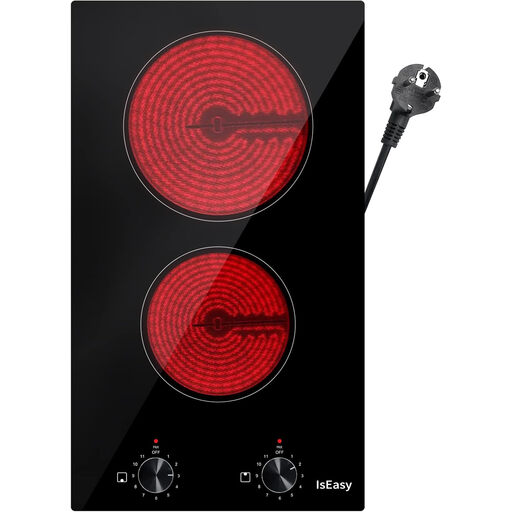 No image available
Two cooking zones are worth considering if you want to prepare a side dish in a second pot while the tagine is slow-cooking.
The product name lists 11 power settings, 3.200 W and rotary controls.
 No image available
A single induction cooking zone may suit a tagine if its base is induction-compatible and its dimensions are suitable for the appliance.
The product name lists 2.100 W, 9 heat settings, an 8-hour timer and touch controls. Induction requires suitable magnetic cookware.
 No image available
This portable induction model is only suitable if your cookware has a compatible induction-ready base.
The product name lists 3.500 W and 10 temperature settings. Induction requires compatible magnetic cookware.
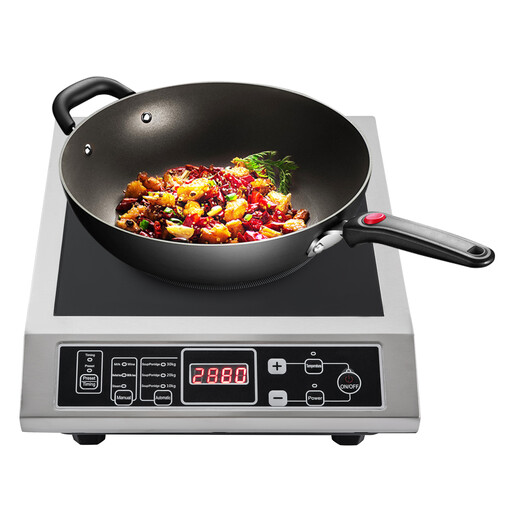 No image available
For a single tagine, this model is only an option if its base is compatible with induction.
The product name lists 3.500 W and 8 temperature settings. Induction requires suitable magnetic cookware.
Not just because of its shape or lid. The Rommelsbacher CT 2010/IN requires cookware with a ferromagnetic base, so check whether the manufacturer specifically approves your tagine for induction. One tagine documented by Le Creuset has a cast-iron base and a stoneware lid.
Compare the total weight of the tagine, ingredients and liquid with the maximum load for the specific hob. CASO lists a maximum load of 6 kg for the ProSlim 2000; one 31 cm model documented by Le Creuset weighs 5,49 kg before it’s filled.
The German Federal Institute for Risk Assessment recommends soaking dried pulses for at least five hours, discarding the soaking water and then cooking them in fresh water. Gentle simmering or steaming alone isn’t suitable for most raw pulses. This cooking advice isn’t a feature of any particular hob.
Switch it off and wait until it has cooled sufficiently, following the instructions for the specific model. Rommelsbacher lists a residual heat indicator for the CT 2010/IN; according to the manufacturer’s comparison, cast-iron hotplates retain heat for longer than induction hobs.
For electrical products covered by Germany’s Electrical Equipment Ordinance, the Federal Institute for Occupational Safety and Health says that CE marking is required before they are placed on the market. It doesn’t tell you whether your tagine will fit the hob. The Verbraucherzentrale (consumer advice centre) distinguishes statutory rights against the seller from an additional voluntary guarantee.