For a single batch of coulis, a portable single hob is a sensible place to start. Induction is an option if your pan has a suitable base and fits the cooking zone. If your pan isn’t suitable for induction, consider a HiLight ceramic hob or a cast-iron hot plate. For a larger batch, the weight of the filled pan and a safe electrical connection matter too. The power settings alone won’t tell you whether your coulis will simmer gently – keep an eye on the fruit mixture and stir it as it cooks.
Which hob is right for you?
If you’re cooking a delicate fruit mixture
If you want to turn down the heat after bringing the mixture to the boil, then keep an eye on the coulis and stir it as it simmers, compare how each hob works at lower settings. A setting number doesn’t tell you the actual temperature in the pan.
If you already have a pan
If you want to keep using your existing pan, first check whether its base is suitable for induction and whether its diameter fits the cooking zone. Depending on the appliance, HiLight or cast iron may be options for pans that aren’t suitable for induction.
If you’re batch cooking in a large pan
For a larger batch to freeze, make sure the cooking zone, the weight of the filled pan and the available space all suit the specific appliance. Cooling and freezing the coulis afterwards are separate food-safety considerations.
What should you look for when buying?
Single induction hob
A good fit if: your existing pan is suitable for induction and you only need to heat one pan.
Consider: the pan base and diameter must be suitable; performance at lower settings varies by model.
HiLight ceramic hob
A good fit if: you want to keep using a pan that isn’t suitable for induction and its dimensions suit the cooking zone.
Consider: the cooking surface gets hot, so allow for residual heat after turning it down and before putting it away.
Single cast-iron hot plate
A good fit if: you want to use an existing pan on a simple single hot plate.
Consider: ROMMELSBACHER says cast iron heats up and cools down more slowly than induction, so turn it down well before the mixture comes to the boil.
Portable double hob
A good fit if: you genuinely need to heat a second pan at the same time while cooking.
Consider: two cooking zones need more space; check the connection requirements and total power rating of the specific appliance.
| What matters |
What to check when buying |
Who is this important to? |
| Controlling the simmer |
How the appliance works at lower settings; keep an eye on the fruit mixture and stir it as it cooks. |
If I want to turn the heat down gradually after bringing the mixture to the boil, I pay particular attention to how the hob works at lower settings. Around 36% of consumers are likely to have this as their main concern. |
| Using an existing pan |
Check whether the pan base is suitable for induction and compare its diameter with the appliance specifications. |
If you want to keep using the pan you know for making coulis, first check that it’s suitable for your chosen cooking method. Around 29% of consumers are likely to prioritise pan compatibility. |
| Batch size |
Compare the pan base diameter and the weight of the filled pan with the cooking zone and, where applicable, the specific model’s load limit. |
If I’m making a larger batch to store, I want to know whether the pan base and filled pan will suit the hob. Around 21% of consumers are likely to prioritise whether the appliance suits their batch size. |
| Positioning and connection |
Check the available space, connection requirements and, where applicable, whether the specific appliance needs CE marking; don’t overload extension leads. |
If having a suitable place for the appliance and a safe connection matters to me, I check the appliance specifications against where I plan to use it. Around 14% of consumers are likely to focus on this. |
CASO specifies a pan size range of 12–24 cm and a maximum load of 6 kg for the ProMenu 2100. These figures don’t apply to other hobs as a rule. New electrical hobs in Germany need CE marking if they fall under relevant EU legislation that requires it.
Common misconceptions
-
Lots of power settings guarantee a gentle simmer
The rated power and available settings don’t tell you what temperature a particular batch of coulis will reach in the pan.
Check how the appliance works at lower settings, and keep an eye on the fruit mixture and stir it as it cooks.
-
Any pan you already own will work on induction
Induction requires a suitable pan base, and the specified pan sizes vary by model.
Test the base with a magnet and compare its diameter with the manufacturer’s specifications. If your pan isn’t suitable, consider a compatible HiLight or cast-iron hob.
-
The diameter of the hob is all that matters for a large pan
When making a large batch to store, the manufacturer’s stated load limit may matter too. CASO specifies a maximum of 6 kg for the ProMenu 2100.
For the specific appliance, compare the cooking zone size and, where applicable, the load limit with the filled pan you plan to use.
-
You can put a hot hob away straight after cooking
ROMMELSBACHER says cast iron retains heat for longer than induction. The ROMMELSBACHER CT 2203/TC also has a residual heat indicator.
After cooking, follow the manufacturer’s instructions for letting your chosen appliance cool down and cleaning it.
Brands to consider
CASO Design
The ProMenu 2100 is one example of a portable single induction hob where specific pan size and load limit details can help you make your choice.
- The manufacturer specifies 12 power settings, a pan size of 12–24 cm and a maximum load of 6 kg.
- These figures don’t show how evenly a fruit coulis will simmer over a low heat; the pan must be suitable for induction.
ROMMELSBACHER
The CT 2010/IN and CT 2203/TC offer induction and HiLight ceramic cooking respectively, giving you options if your choice of hob depends on the pan you already own.
- The manufacturer specifies 120–230 mm for the induction zone on the CT 2010/IN and a switchable 140/210 mm dual-circuit zone for the CT 2203/TC.
- Your pan must suit the cooking zone on the specific model; the HiLight hob’s heating surface stays hot after you turn it down.
SEVERIN
The KP 1091 cast-iron single hot plate and the KP 1071 induction hob show how cooking equipment requirements can vary.
- The manufacturer specifies an 18.5 cm heating ring and stepless control for the KP 1091; the KP 1071 has automatic pan detection and a switch-off timer.
- The features listed for the KP 1071 don’t apply to the KP 1091. Cast iron responds to heat more slowly than induction.
WMF
The Kult X Mono is a portable single induction hob for shoppers who want to compare direct-selection programmes and controls.
- WMF specifies eight power settings and six programmes; the manufacturer says it works with pans from 10 to 28 cm.
- Programmes don’t guarantee a temperature suitable for fruit coulis. You’ll still need to check that your pan base is suitable.
Silvercrest
The SIKP 2200 B1 is an example of a portable single induction hob that has been reviewed by an independent product tester.
- In its test on 4 August 2026, F.A.Z. Kaufkompass highlighted the controls and heating speed.
- The review also noted some noise and a slightly bulky design. A water-boiling test doesn’t show how well it simmers fruit coulis.
Joybuy products
The Joybuy products below include single and double hobs for making a batch of fruit coulis. The cooking method, pan and connection must all be suitable for the specific appliance.
 No image available
SEVERIN KP 1092 single hot plate
For one pan; you can adjust the variable temperature control as you cook.
Heating ring: 18 cm; power: 1.500 W. Requires a flat, stable pan base.
View at Joybuy
 No image available
IsEasy portable induction hob, 2.100 W
A single hob for one pan; induction requires suitable cookware.
The product name specifies 9 heat settings, a glass surface, 28 cm and an 8-hour timer.
View at Joybuy
 No image available
Portable induction hob with two cooking zones
Two cooking zones may suit you if you genuinely need to heat two pans at the same time while cooking.
The product name specifies 5 temperature settings. The appliance description gives a total power rating of 2.500 W; check the connection requirements.
View at Joybuy
 No image available
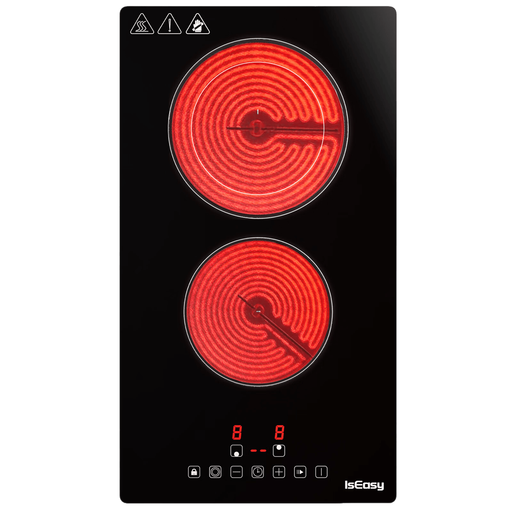
Ceramic hob with two zones, 3.200 W
Two cooking zones may be useful if you want to use two pans at the same time; check the space needed and the intended installation.
The product name specifies 9 power settings. The appliance description says it requires a cut-out measuring 49 × 26,2 cm for installation.
View at Joybuy
 No image available
Portable induction hob, 3.500 W
A single induction hob for one pan; the cookware must be suitable for induction.
The product name specifies 10 temperature settings and a glass-ceramic surface.
View at Joybuy
Frequently asked questions
How can I tell whether my pan will work on an induction hob?
A magnet on the base of the pan can help you check whether it’s suitable for induction. Also compare the base diameter with the appliance specifications; the manufacturer specifies 12–24 cm for the CASO ProMenu 2100.
Will a hob with lots of settings automatically simmer fruit coulis gently?
No. The number of settings doesn’t tell you the actual temperature in a particular batch of coulis. Check how the appliance works at lower settings, and keep an eye on the fruit mixture and stir it as it cooks.
Can I plug the hob into an extension lead with other kitchen appliances?
Avoid overloading the extension lead and follow the connection requirements for your appliances. The Institute for Loss Prevention and Research describes the fire risk of running several high-power appliances from one extension lead.
Does cooking mean I can skip cooling the coulis properly before freezing it?
No. The German Federal Institute for Risk Assessment treats hygienic handling and suitable cooling and storage temperatures as separate ways to prevent foodborne illness. Don’t assume the coulis will keep safely based on the hob’s power rating or timer.
Does a new electric hob need CE marking in Germany?
It does if the appliance falls under relevant harmonised EU legislation that requires CE marking. The marking alone doesn’t confirm that it’s suitable for a particular pan or that your batch of coulis will turn out well.


