What should you look for when buying?
Induction hob
Suitable if: Your pan has a ferromagnetic base and fits the cooking zone.
Things to consider: Not every existing pan will be suitable, and the selected power level doesn’t tell you the temperature of the compote.
Radiant ceramic-glass hob
Suitable if: You want to keep using a pan that isn’t suitable for induction, and the specific model is designed for it.
Things to consider: The cooking surface itself gets hot and may retain heat after the hob is switched off.
Cast-iron hot plate
Suitable if: You want a simple rotary control and the option to use an existing pan that isn’t suitable for induction.
Things to consider: According to the manufacturer comparison, cast-iron hot plates take longer to heat up and retain heat for longer, which can delay the end of cooking.
For this kind of cooking, the key considerations are keeping the compote ready for a later meal, controlling the heat while it cooks, compatibility with your existing pan, and the space and ease of use.
| Priority |
What to check when buying |
Who is it important to? |
| Keeping compote ready for later |
If keeping it hot, check the temperature of the food itself; the appliance setting doesn’t measure the contents of the pan. |
If I’m serving the compote later, I want either to keep it sufficiently hot in practice or chill it promptly. Around 36% of consumers put keeping food safely ready for meals served at different times first. |
| Continuing to cook after bringing it to the boil |
Compare low power settings and straightforward controls, and keep an eye on the compote while it cooks. |
If I want to simmer gently after bringing it to the boil, I need a hob that lets me turn the heat down appropriately. For around 29% of consumers, controlling the cooking heat is the main priority. |
| Continuing to use an existing pan |
Check that the pan base is ferromagnetic and compare its diameter with the model’s specifications. |
If I want to keep using my compote pan, I want to know before buying whether its base and size are suitable for the hob. For around 21% of consumers, compatibility with their existing pan is the main consideration. |
| Space and ease of use |
Check the appliance dimensions against your available space, pan handles and power connection. Also consider cleaning and where you’ll put it to cool. |
If my worktop space is limited, I want the hob and pan to sit safely and be practical to use and clean. Around 14% of consumers focus mainly on space and ease of use when choosing. |
Joybuy products for preparing compote
This selection includes portable single hobs for making compote, including cast-iron, induction and infrared models. Before choosing, check that the heating technology suits your pan and consider the heat settings you’ll need for continued cooking.
 No image available
SEVERIN KP 1092 cast-iron hot plate
A single cast-iron hot plate with variable control could be a good choice if you want to adjust the heat while the compote continues to cook.
18 cm heating ring; 1,500 W; the cooking surface gets very hot during use. Use stable cookware on a heat-resistant surface.
Joybuy
 No image available
IsEasy induction hob, 2,100 W
A portable single induction hob is an option if your pan is magnetic and within the specified size range.
Nine heat settings; 28 cm glass surface; 8-hour timer; touch controls. Suitable for magnetic cookware with a diameter of 12–26 cm.
Joybuy
 No image available
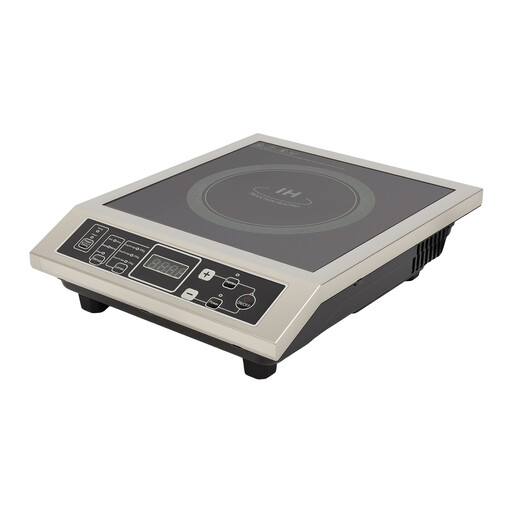
Tabletop induction hob, 3,500 W
This single hob could be a good choice if you want to use a suitable induction pan on a portable cooking zone.
Ten power levels; timer and reservation function; EU plug. Specified for flat-bottomed cookware with a diameter of 4.72–11.81 inches.
Joybuy
 No image available
dtl06 infrared hot plate, 3,500 W
An infrared hot plate could be an option if you want to adjust the heat manually and use heat-resistant cookware.
Ceramic surface; touch and rotary controls, plus manual mode; timer with automatic shut-off and four preset cooking modes. The product information states that it’s intended for indoor use.
Joybuy
 No image available
Ochama Induction Hub, 2,000 W
This slim single induction hob could be a good choice if you’re short on space and your pan is suitable for induction.
Ten power levels; six preset functions; touch controls and safety lock. Suitable magnetic cookware is required.
Joybuy
Frequently asked questions
Can I leave compote lukewarm on the hob until the next meal?
Leaving it lukewarm isn’t a reliable way to keep it ready to eat. The German Federal Institute for Risk Assessment recommends keeping food at a minimum of 60 °C throughout when holding it hot; the appliance setting doesn’t automatically measure the temperature of the compote. For a later meal, you can chill it promptly instead.
How should I store a larger amount for later?
Chill the compote promptly, dividing a larger amount between several shallow containers. The German Federal Institute for Risk Assessment recommends shallow dishes as a way to portion larger quantities of food for chilling.
How can I tell if my pan will work on an induction hob?
Check whether the pan base is ferromagnetic, then compare its diameter with the specifications for the particular hob. For example, ROMMELSBACHER lists a 120–230 mm cooking zone for the CT 2010/IN.
Is a timer enough to make sure the compote cooks properly?
No. A timer doesn’t replace checking the heat or testing whether the compote is cooked. Make sure you can turn the power down after bringing it to the boil, and keep an eye on the compote as it continues to cook.
What do CE marking and a warranty mean when buying?
For electrical appliances covered by the relevant EU rules, the required CE marking forms part of the conformity requirements. As Your Europe explains, it isn’t a test certificate issued by a central EU body. The Verbraucherzentrale also distinguishes between statutory consumer rights and a voluntary warranty. Check the specific warranty terms for the offer you’re considering.


