What to look for when buying
First, check that your pan base is compatible with the hob’s heating technology. Then make sure the pan size, filled weight and number of cooking zones you need are suitable for the way you’ll be cooking.
| What matters |
What to check before buying |
Who should consider this? |
| Adjusting the heat |
The controls and heat settings on the specific model; for induction, also check that your pan is compatible. |
If you want to adjust the heat while thickening pudding in a large pan, variable heat control is essential. Around 36% of consumers rank this as their top priority. |
| Pan size and weight limit |
Compare the pan base diameter and, where specified, the maximum weight limit with the filled pan. |
If you’re cooking a larger batch in a heavy pan, you’ll need a suitable cooking zone and enough capacity to support the pan and its contents. Around 29% of consumers put pan size and weight limit first. |
| Keeping your existing pan |
Check induction compatibility and base size; if your pan isn’t suitable, consider a different heating technology. |
If you want to keep using your existing pan, check whether its base is suitable for induction or whether another heating technology would work. Around 21% of consumers prioritise being able to keep using their pan. |
| Cooking in parallel |
Consider how many cooking zones you need, the available space, the total power and any guidance about the electrical circuit. |
If you want to heat two pans at once, for example to prepare several batches, you’ll need two cooking zones. Around 14% of consumers say cooking in parallel is their main concern. |
Portable hobs at Joybuy
This selection includes portable single hobs with different heating technologies, each designed for one pan. Pay particular attention to pan compatibility, cookware dimensions and what you’ll need when thickening pudding while stirring.
 No image available
Severin KP 1092 hotplate, 1500 W
For one pan, with stepless heat adjustment.
1500 W; 18 cm diameter heating ring; stepless temperature control. Suitable for flat-bottomed pans and frying pans.
View at Joybuy
 No image available
IsEasy induction hob, 2100 W, 28 cm
For a pan with a suitable magnetic base, with several heat settings to choose from.
Nine heat settings; product details specify magnetic cookware measuring 12–26 cm and a 28 cm glass surface.
View at Joybuy
 No image available
dtl06 infrared hotplate, 3500 W
For heat-resistant pans made from different materials, when you need a hotplate that doesn’t use induction.
Infrared heating with a ceramic surface; timer, touch controls and rotary control.
View at Joybuy
 No image available
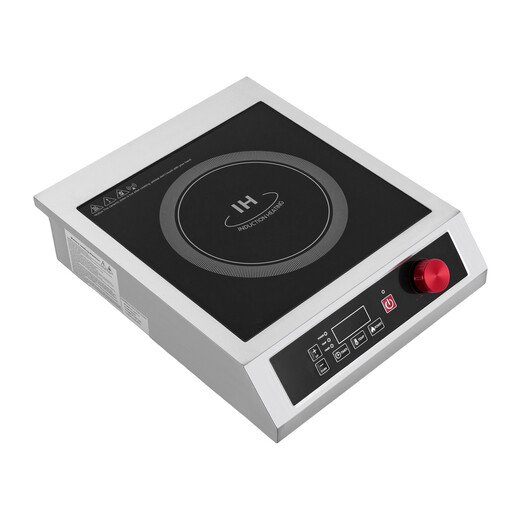
Induction hob, 3500 W, 10 power and temperature settings
For one pan with a suitable induction base, when you need a wide range of settings.
500–3500 W; temperature settings from 40–300 °C; ten power and temperature settings. For flat cookware up to 9.84 inches in diameter; EU plug.
View at Joybuy
 No image available
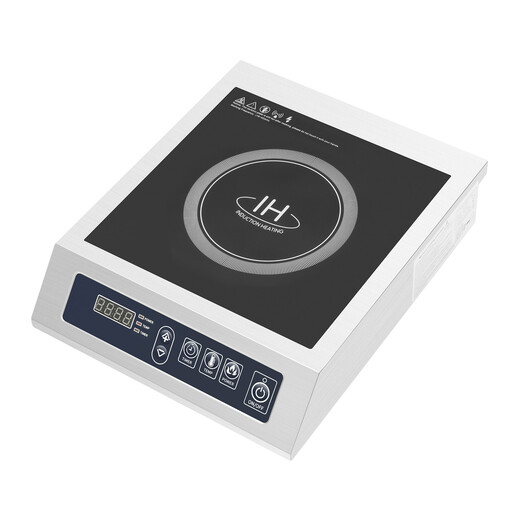
Induction hob, 3500 W, 11 power settings, 24H timer
For one pan with a suitable induction base, when you need a timer and several power settings.
400–3500 W; eleven power settings; timer up to 24 hours. For flat cookware measuring 4.72–11.81 inches in diameter; EU plug.
View at Joybuy
Frequently asked questions
Does choosing a temperature make stirring while thickening unnecessary?
No. Dr. Oetker recommends simmering the pudding over a medium heat while stirring vigorously. A setting on the hob isn’t the same as measuring the temperature of the pudding.
What should I bear in mind when connecting a double hob?
Follow the instructions and check the rating plate on the specific model. Severin lists a total rated power of 3400 W for the DK 1031. To avoid overloading the mains, its instruction manual warns against using another electrical appliance on the same circuit at the same time.
How should I store a larger batch of prepared pudding?
For longer storage, the Federal Institute for Risk Assessment recommends cooling food to below 7 °C within a few hours. Larger quantities can be divided between several shallow containers to help them cool. If heated food is to be kept hot until it’s eaten, the BfR recommends keeping it at a minimum of 60 °C throughout. These are food hygiene recommendations, not hob programmes or blanket legal temperature requirements for private households.
What should I do if the hob develops a fault after purchase?
Your statutory rights against the seller are separate from any voluntary manufacturer’s or retailer’s guarantee. If there’s a fault, repair or replacement may initially be available as a remedy. Check the specific terms of any guarantee separately. The Verbraucherzentrale explains the difference.
What should I check when buying an electric hob for the German market?
For hobs placed on the market in Germany, the Federal Network Agency lists the required CE marking and accompanying documents, including operating instructions and safety information in German, as checks to make. CE marking isn’t an independent performance test for making pudding. Check the details on the specific product you’re buying.


