What should you look for when buying?
First, check that your existing pan is compatible with the heating technology. Then consider whether the controls, footprint and number of cooking zones suit the way you cook.
| What matters to you |
What to check before buying |
Who this matters most to |
| Keeping a gentle braise under control |
Low-heat settings, controls and timer range; continue to check and stir the contents of the pan. |
If I’m leaving red cabbage to braise gently with the lid on for a long time, I want to be able to set the heat appropriately once it has come to the boil. Around 36% of consumers put controlled braising first. |
| Using a pan I already own |
Check the pan material, flat base and diameter against the instructions for the specific model. |
If I want to keep using my casserole pot, its heating technology needs to be compatible with the hob. Around 29% of consumers prioritise whether their existing pan is suitable. |
| Cooking a side dish at the same time |
Check whether you really need two cooking zones, and consider the available space and electrical connection. |
If I often cook a side dish at the same time as the red cabbage, a second zone is important. Around 21% of consumers prioritise cooking in parallel. |
| Setting up and storing the hob |
Consider the appliance dimensions, space for the pan and handles, cable routing and cooling instructions. |
If I have limited worktop space, I want to position the hob safely and store it once it has cooled down. Around 14% of consumers focus mainly on space and storage. |
Hobs at Joybuy
The Joybuy products below include single hobs and multi-zone hobs for cooking red cabbage and potential side dishes. For a specific version of a product, check its CE marking and the relevant declaration of conformity documents. The CE mark alone is not an independent certification mark.
 No image available
Severin KP 1092 single hob
For a single pan, the specified cooking zone and variable temperature control are useful features to consider.
Heating ring: 18 cm; power: 1,500 W.
View at Joybuy
 No image available
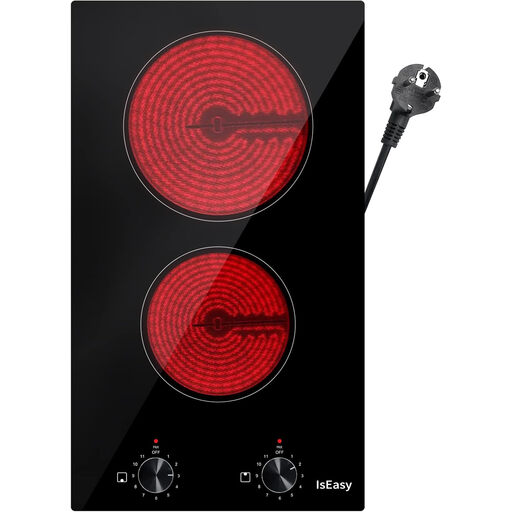
IsEasy Domino ceramic-glass hob, 2 cooking zones
Two independently heated zones are useful if you want to cook red cabbage and a side dish at the same time.
11 power settings; 3,200 W; 29.5 cm; rotary knob controls. The product name describes the hob as suitable for all pans; still check compatibility against the manufacturer’s information.
View at Joybuy
 No image available
IsEasy portable induction hob, 2,100 W
A portable induction zone could suit a single casserole pot, as long as its base is induction-compatible.
28 cm; nine heat settings; timer up to 8 hours; touch controls.
View at Joybuy
 No image available
Portable induction hob, 1,000 W
The specified single cooking zone may suit consumers who only want to heat one pan at a time.
Five power settings; described as suitable for tabletop use. A brief smell or some smoke may occur the first time it’s used; the product description recommends ventilating the room while it’s operating.
View at Joybuy
 No image available
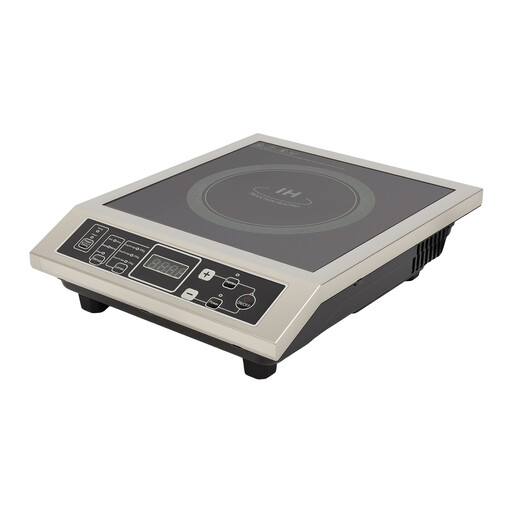
Tabletop induction hob, 3,500 W
This induction hob is specified for one pan; the pan base and electrical connection must be compatible with the appliance.
Ten power settings; timer; the product name specifies IPX4 and a load capacity of 50 kg. Before connecting it, check that the intended power supply is suitable for its power consumption.
View at Joybuy
Frequently asked questions
How can I tell if my pan will work on an induction hob?
Check that the pan base is suitable for induction and find out what diameter the appliance manufacturer specifies. For the IK 75, Steba also describes a magnet test on the pan base; for other models, follow their respective instructions.
Can I leave the red cabbage on the switched-off hob until the next working day?
For longer-term storage, the German Federal Institute for Risk Assessment recommends cooling hot food quickly to below 7 °C. Keep the portion cool while you’re out and about, too; a timer or switching off the hob won’t replace proper cooling.
What should I know about reheating and keeping a portion I’ve taken with me hot?
The German Federal Institute for Risk Assessment recommends heating food to 70 °C for at least two minutes throughout, and keeping hot food at a minimum of 60 °C throughout. A temperature setting on the hob doesn’t measure the temperature of the food itself.
Does an EU energy label show which portable hob will use the least electricity for my recipe?
No. According to the consumer advice centre, hobs don’t have an EU energy label. Total energy use depends on both bringing the food to the boil and continuing to cook it. Pan size, using a lid and turning the heat down in good time all affect energy use.
What labelling is required for a new hob sold in Germany?
Appliances covered by the Low Voltage Directive, including the 230-V appliances discussed here, must meet the relevant conformity requirements and carry CE marking. The European Commission sets out the scope of the directive; Germany’s Federal Network Agency notes that the manufacturer declares conformity under its own responsibility by applying the CE mark. It isn’t an independent quality mark, and the specific version being sold must meet the requirements.


