If you have limited worktop space
If you want to make soup on a single hob that can be put away afterwards, check the appliance dimensions and allow enough room for both the hob and the pot.


If your soup pot is induction-compatible and fits the hob, a portable single induction hob is an obvious choice for a small kitchen. If your pot isn’t induction-compatible, consider a radiant ceramic-glass hob or a cast-iron hotplate. Compare the footprint, cooking zone and controls: wattage alone won’t tell you whether the appliance will fit on your worktop or how much electricity a cooking session will use.
If you want to make soup on a single hob that can be put away afterwards, check the appliance dimensions and allow enough room for both the hob and the pot.
If you want to keep using your existing pot, first check its base and diameter against the heating technology and cooking zone you’re considering.
If you bring soup to the boil before leaving it to simmer, look for easy-to-use power settings and, if useful, a timer. Rated power isn’t the same as actual electricity consumption.
A good choice if: your pot has an induction-compatible base, fits the cooking zone and you want to bring food to the boil quickly without taking up much worktop space.
Bear in mind: Not all existing pots will work. CASO states that the ProSlim 2000 is suitable for pots measuring 12–22 cm in diameter and has a footprint of 290 × 390 mm.
A good choice if: you want to keep using a flat-based pot that isn’t induction-compatible and prefer a smooth surface. According to the manufacturer, the Rommelsbacher CT 2203/TC has heating zones measuring 140 and 210 mm in diameter.
Bear in mind: Here, ceramic glass describes the surface, not the heating technology. A radiant heating element warms the cooking zone, which may remain hot after cooking.
A good choice if: you have a suitable, flat-based pot and want a simple single hotplate. The manufacturer states that the Severin KP 1092 has an 18 cm heating ring and continuously adjustable settings.
Bear in mind: The German Environment Agency rates cast iron as less energy-efficient than radiant ceramic glass and induction. Take extra care with the hot plate and residual heat in a small space.
| Priority | What to check before buying | Who is this important to? |
|---|---|---|
| Footprint and positioning | Check the appliance dimensions, space for the pot and whether you have a stable place to position it. | If worktop space is limited, I want to be sure the hob and soup pot will both fit securely. Around 36% of shoppers might make footprint their top buying priority. |
| Suitability for your soup pot | Check the base material and diameter against the instructions and cooking zone. | If I want to keep my soup pot, I’ll check its base and diameter before choosing induction. Around 29% of shoppers might prioritise pot compatibility. |
| Bringing to the boil and simmering | Check the power settings and, if applicable, the timer and its shut-off function in the instructions. | After bringing the soup to the boil, I want to be able to simmer it under control. Adjustable settings might be the top priority for around 21% of shoppers. |
| Energy use and running costs | Choose a compatible pot and cooking zone; to estimate costs, consider how long you use it and your electricity tariff. | If I cook regularly, I want to consider electricity use and any extra cost of buying a compatible pot. Around 14% of shoppers might place particular importance on running costs. |
Ceramic glass can also be the surface of a hob with a radiant heating element. Pot requirements vary depending on the heating technology.
Check the model description for the heating technology and the type of pot base it accepts, rather than looking only at the surface material.
With an induction hob, you may need to buy an additional induction-compatible pot.
Rated power tells you neither how much electricity a cooking session will use nor whether the whole appliance will fit on your worktop.
First, compare the appliance dimensions and pot size with the space available. Usage time and your electricity tariff also affect running costs.
A second cooking zone won’t solve a space problem if you’re only making one pot of soup, and it may take up extra room.
Choose a double hob only if you regularly cook in two pots at once and have enough space for it.
An unused second cooking zone may take up worktop space that could be put to better use in a small kitchen.
CASO Design’s ProSlim 2000 is a portable single induction hob designed for spaces where room is limited.
The CT 2203/TC is a portable single hob with radiant ceramic-glass heating and two selectable heating zone sizes.
The KP 1092 and KP 1032 offer two different types of portable single hob: cast iron and induction.
The Kult X Mono is a portable single induction hob.
The products below are portable single induction hobs. They may be suitable if your pot has an induction-compatible base and fits the relevant appliance. For the 3500 W models, also check that the connection and intended location meet the appliance specifications.
 No image available
For a soup pot with an induction-compatible base that falls within the stated diameter range.
Nine heat settings and an 8-hour timer; the listing states that it’s suitable for cookware measuring 12–26 cm in diameter.
Appliance dimensions according to the listing: 35 × 28 × 4.4 cm.
 No image available
A single cooking zone for anyone looking for a portable induction hob and a compatible induction-ready pot.
The stated footprint is 21.5 × 21.5 cm, with a height of 4.7 cm.
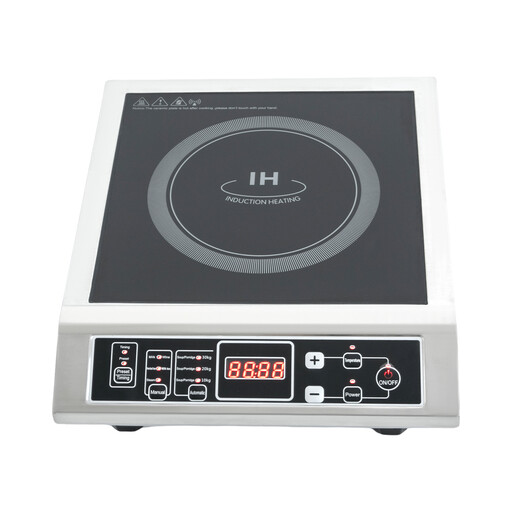 No image available
For anyone looking for a portable single induction hob with adjustable power and a timer.
The listing states that it has ten power settings, timer and preset functions. Check the appliance’s connection requirements before buying.
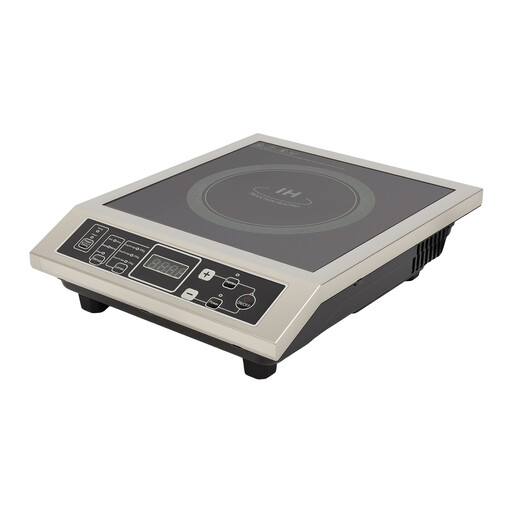 No image available
A single hob for anyone looking for an adjustable induction cooking zone for a compatible pot.
The listing states that it has ten power settings, a timer with automatic shut-off and a preset function. Check the connection requirements before buying.
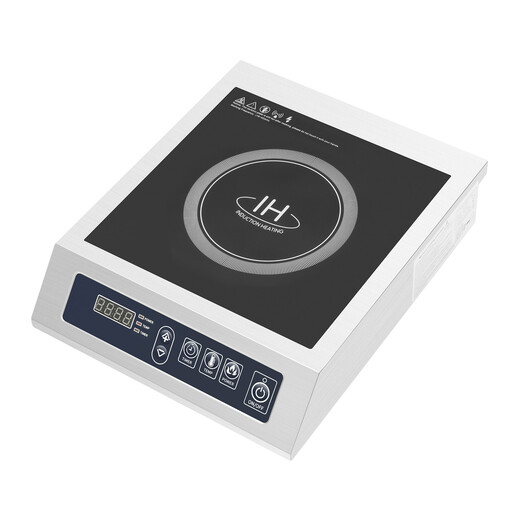 No image available
For anyone whose induction-compatible pot fits the stated cooking zone.
The listing states that it has eleven power settings, a 24-hour timer and a cooking zone measuring 9.06 inches in diameter. Compatible cookware is stated to measure 4.72–11.81 inches in diameter.
Supplied with an EU plug; check the connection requirements and pot compatibility before buying.
Check that the pot base is induction-compatible, then compare its diameter with the specifications for the particular hob. The manufacturer states that the CASO ProSlim 2000 takes pots measuring 12–22 cm; this range doesn’t automatically apply to other appliances.
Set up the appliance and a suitable, flat-based pot according to the manufacturer’s instructions. Where possible, cook with the lid on and turn down the heat once the soup has started to heat through. Let a hot cooking zone cool before cleaning, and take particular care of residual heat with conventional hobs.
Check the connection requirements for the specific appliance and the capacity of the socket. Rommelsbacher advises against using a multiway extension lead with its high-powered double hobs; this recommendation applies to those models and isn’t a general rule for every single hob.
You may need to buy an additional induction-compatible pot, as well as paying for the electricity you use. To calculate your own electricity costs, take account of usage time and your tariff; rated power alone doesn’t tell you how much electricity the appliance will use.
For appliances covered by harmonised EU rules that require CE marking, it’s needed to place them on the market. CE marking isn’t an independent quality mark; also check the specific listing for product identity, manufacturer details and clear safety instructions.