First, measure the available space, allowing room for your soup pot, and check the base of the pot. If you have a compatible pot, a single induction hob is an obvious choice; if your pot is not induction-compatible, consider a radiant or cast-iron hotplate. Also compare the pot size, how easily you can adjust the heat for simmering, and how safely the appliance can be positioned, rather than focusing only on the wattage.
Which hob is right for you?
For cooks short on worktop space
You need a single cooking zone that, with your soup pot on it, fits safely in the available space. Manufacturer specifications for appliances from CASO Design, Rommelsbacher and Severin show that dimensions vary from model to model.
For cooks with a soup pot already
You want to keep using your existing pot. For induction, its base must be ferromagnetic, and the pot must also be compatible with the specific model. The Verbraucherzentrale says a magnetic base is essential for compatible cookware.
For regular soup-makers
Once the soup has come to the boil, you’ll want to reduce the heat to let it simmer. So check how you adjust and control the heat on the specific model, and look for a timer if you need one. Don’t rely on the rated power alone.
What to consider when buying
Single induction hob
Right for you if: your soup pot has a ferromagnetic base and is the right size for the model.
Things to consider: Also check the appliance’s dimensions and maximum load. If you have a pacemaker, seek medical advice about whether it is suitable for you.
Single radiant hotplate
Right for you if: you want to keep a pot that isn’t induction-compatible and prefer a smooth cooking surface.
Things to consider: The cooking surface gets hot and may retain heat after use. Check the dimensions of the specific appliance.
Single cast-iron hotplate
Right for you if: you want to cook without induction and are looking for a single hotplate with continuously adjustable heat.
Things to consider: The cast-iron plate gets hot. Match the heating ring to the base of your pot, and check that the heat control is suitable for simmering.
| What matters |
What to check before buying |
Who it matters most to |
| Room for the appliance and pot |
Measure the width and depth of the space, then compare them with the appliance’s dimensions. Make sure there is also enough room for the filled pot to sit safely. |
If my worktop space is limited, the hob and pot both need to fit safely. For shoppers whose main concern is available space, this is likely to be the most important buying criterion for around 33%. |
| A compatible soup pot |
Check whether a magnet sticks to the base of the pot, and compare its base diameter with the appliance specifications. If your pot isn’t compatible, consider a non-induction hotplate. |
If I want to keep using my existing pot, it needs to be compatible with both the heating technology and the model. For shoppers whose main concern is pot compatibility, this is likely to be decisive for around 27%. |
| Adjusting the heat for simmering |
Compare the power settings or continuous heat control, and check whether there’s a timer. A timer is no substitute for supervision. |
When simmering for a while, I want to be able to set the heat appropriately once the soup has come to the boil. For shoppers who prioritise heat control, this is likely to come first for around 20%. |
| Safe use and cleaning |
Check the instruction manual, surface material and any residual heat. Inspect the cable and appliance before use, and don’t overload an extension lead. |
If my kitchen is cramped, I want to position the hob safely and clean it easily once it has cooled. For around 20% of shoppers whose main concerns are safe use and cleaning, this is likely to be particularly important. |
Avoid common buying mistakes
-
Measuring only the cooking zone, not the space it needs
Single hotplates vary in their overall dimensions. Your soup pot also needs to sit safely in the available space.
Measure the width and depth of the space and compare them with the dimensions and positioning guidance for the specific model.
-
Assuming every pot works with induction
Induction requires a compatible ferromagnetic base, and the permitted pot diameter also depends on the appliance.
Check the base and diameter of your pot before buying. If you want to keep using a pot that isn’t compatible, compare non-induction hotplates.
You may need to buy an additional compatible pot for induction if your existing cookware isn’t suitable.
-
Judging cooking costs by wattage alone
The rated power doesn’t tell you how much electricity it will take to cook a particular soup. According to the European Commission, hobs are not subject to EU energy labelling requirements.
Also compare how easily you can adjust the heat and whether the pot is a suitable size. Use a suitable lid if the recipe calls for one. Cooking time and how you use the hob affect actual consumption.
Brands and models to help you choose
CASO Design
The S-Line 2100 is a single induction hob for a compatible pot. The dimensions and limits below relate to this model and are taken from the manufacturer’s information.
- Footprint: 277 × 357 mm; stated pot size: 12 to 24 cm.
- Maximum load: 6 kg. Check that your filled soup pot is within this limit.
Rommelsbacher
The CT 2010/IN uses induction, while the CT 2203/TC uses HiLight radiant heating. These specifications apply only to the model named and are based on information from the manufacturer.
- The CT 2010/IN requires a ferromagnetic pot base and measures 30 × 38 cm.
- The CT 2203/TC has heating zones measuring 140 and 210 mm in diameter and measures 30,5 × 41 cm. Its cooking surface gets hot during use.
Severin
The KP 1091 is a single non-induction hotplate with a cast-iron heating ring. The features described apply to this model.
- The manufacturer gives the footprint as 25,5 × 28,8 cm; the heating ring is 18,5 cm in diameter and has continuously adjustable heat.
- Match the heating ring to the base of your pot, and bear in mind that the cast-iron plate gets hot during use.
WMF
The Kult X Mono is a single induction hob with adjustable power levels and direct-selection programmes. The specifications are from the manufacturer.
- The manufacturer lists eight power levels, six programmes and a stated pot size of 10 to 28 cm.
- Check that your pot meets the requirements for induction and the size specifications for this model.
ProfiCook
The PC-EKI 1062 is a single induction hob with a timer and several settings. The feature information is from the manufacturer.
- Features listed include ten power and temperature settings, a 180-minute timer and automatic pot detection.
- The advertised time saving is a manufacturer’s claim, not the result of an independently verified soup-cooking test.
Joybuy products for compact spaces
This selection includes single cast-iron and induction hobs. With induction models, your soup pot needs a compatible ferromagnetic base. Also check the dimensions of the specific appliance before setting it up.
 No image available
Severin KP 1092 single hotplate, 1.500 W
A single non-induction hotplate with continuously adjustable temperature for a compatible soup pot.
Stated dimensions: 25 × 28,5 cm; heating ring: 18 cm in diameter. The cooking surface gets hot during use. Let the appliance cool completely before cleaning, and use it on a stable, heat-resistant surface.
View at Joybuy
 No image available
IsEasy portable induction hob, 2.100 W
A single induction cooking zone with nine heat settings and a timer, for anyone whose pot meets the appliance specifications.
Stated pot size: 12–26 cm; dimensions: 35 × 28 × 4,4 cm. Induction requires cookware with a ferromagnetic base.
View at Joybuy
 No image available
Portable induction hob, 1.000 W, five heat settings
A single induction cooking zone with five heat settings for a compatible soup pot.
Stated dimensions: 21,5 × 21,5 cm. Cookware with a ferromagnetic base is required.
View at Joybuy
 No image available
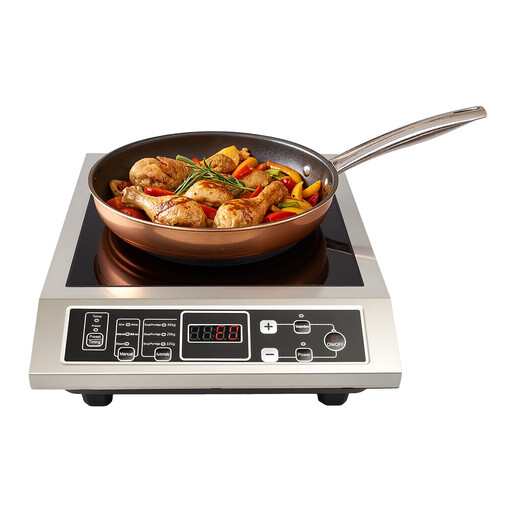
Induction hob, 3.500 W, ten power settings
A single induction hob with several settings for anyone who wants to switch between power levels and temperature settings while cooking.
Features listed include ten power levels, a temperature range of 176–572°F, a 3H timer and a 23H preset. Induction requires compatible cookware with a ferromagnetic base. Check the available space before buying.
View at Joybuy
 No image available
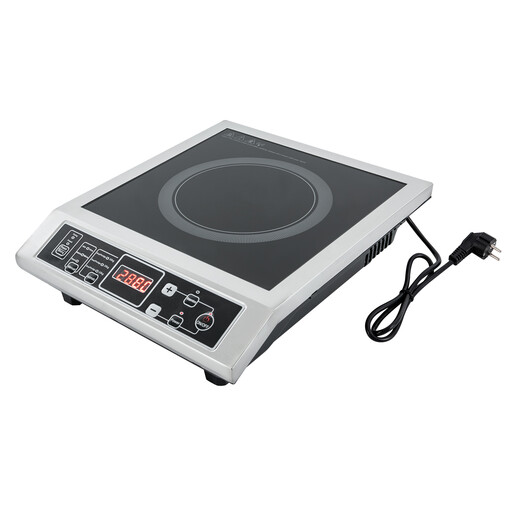
Induction hob, 3.500 W, eight power settings
A single induction hob with power and temperature settings, plus a timer, for a compatible soup pot.
Features listed include eight power settings, eight temperature settings and a timer that runs for up to three hours. According to the product description, the appliance is suitable for iron and stainless-steel cookware. Check the overall dimensions before setting it up.
View at Joybuy
Frequently asked questions
How can I check whether my pot is suitable for induction?
An induction-compatible pot needs a ferromagnetic base. Also check the pot diameter specified for the appliance and, if stated, the maximum load for your filled soup pot. The Verbraucherzentrale says a magnetic base is essential for compatible cookware.
What should I bear in mind when setting up and cleaning the hob?
Follow the setup and cleaning instructions in the manual, and be aware that the appliance may retain heat. The VDE advises against continuing to use appliances that are faulty or have damaged parts.
Is the CE marking an independent safety certification?
No. For electric hobs covered by the relevant EU requirements, the manufacturer uses the CE marking to declare that the product conforms to the applicable requirements. The European Commission explains that the manufacturer is responsible for this; CE is not a blanket endorsement by an independent testing body.
Do portable hobs have an EU energy label?
The European Commission does not list EU energy labelling requirements for hobs. A wattage rating also doesn’t measure how much electricity your pot will use or how long your particular meal will take to cook.
What are my rights when buying online or if a product is faulty?
In Germany, online purchases generally come with a 14-day right to cancel. Your rights if a product is faulty are separate from any voluntary guarantee; the Verbraucherzentrale explains the difference. The relevant legal requirements and exceptions apply to each specific case.


