For gentle simmering
If you want to cook pears gently after bringing them to the boil, compare the power settings and controls. A displayed setting doesn’t automatically correspond to a specific temperature in the pan.


If your saucepan is induction-compatible and its base suits the cooking zone, a portable single induction hob is a natural place to start. For a saucepan that isn’t induction-compatible, consider a single cast-iron or HiLight hotplate; compare the footprint, controls and residual heat. Power and temperature settings don’t tell you the actual temperature the pears reach in the pan.
If you want to cook pears gently after bringing them to the boil, compare the power settings and controls. A displayed setting doesn’t automatically correspond to a specific temperature in the pan.
A single cooking zone may be all you need for a pan of pears. Even so, measure the appliance’s width and depth, and allow for a stable, suitable place to set it up.
If you want to keep using your pan, check its base material and diameter. Both help determine whether it’s suitable for induction and whether it fits the cooking zone.
Suitable if: Your pan has a ferromagnetic base and fits the cooking zone.
Consider: Temperature presets and power settings don’t tell you the actual temperature in the pan.
Suitable if: You want to keep using a pan that isn’t induction-compatible.
Consider: The hotplate stays warm after being switched off, so allow for residual heat when simmering.
Suitable if: Your pan isn’t induction-compatible and you want a smooth cooking surface with selectable heating zones.
Consider: This type of hotplate also retains heat; make sure the specific appliance’s footprint fits your kitchen.
Suitable if: You regularly need to heat a second pan at the same time.
Consider: Two cooking zones take up space; you don’t need a second zone for a single pan of pears.
For stewed pears, the key things to check are the controls, whether your pan fits and whether you have enough safe space to set the hob up. The figures below group consumers by their main priority.
| Priority | What to look for | Most important for |
|---|---|---|
| Heat after bringing to the boil | Check the controls and the lowest power settings on the specific model; keep an eye on the cooking process. | If you want to turn the heat down in a controlled way once the pan comes to the boil, the controls should be your main consideration. Around 36% of consumers prioritise being able to control the cooking heat. |
| Space for a pan | Measure the available worktop space and appliance depth; check the set-up instructions. | If worktop space is limited, you’ll want to make sure there’s room for both the hob and pan to sit safely. Around 29% of consumers say the space available for setting up the appliance is their top buying priority. |
| Using a pan you already own | Check the pan’s base material and diameter against the specifications for the specific model. | If you want to keep using your pan for pears, the heating technology must suit its base and size. Around 21% of consumers put reusing a pan they already own first. |
| Safe use and ongoing costs | Check the instructions, choose a stable place to set it up and read the guidance on residual heat; for induction, also check that your pan is compatible. | If safe set-up and possible extra purchases are important to you, you’ll want to assess these before buying. Around 14% of consumers prioritise safety and ongoing costs. |
A glass-ceramic surface can also use HiLight radiant heating. The Rommelsbacher CT 2010/IN uses induction, while the CT 2200/E uses HiLight.
Check the full model name, heating technology and cookware requirements.
Manufacturers’ power or temperature settings aren’t measurements of the contents of your pan.
Turn the power down once the pan comes to the boil and keep an eye on the cooking process, rather than treating a setting as a guarantee of recipe results.
You’ll also need to allow for the depth, the pan and a suitable place to set up the appliance. Single hobs can vary in size.
Compare the specific model’s width and depth with your available worktop space, and check the set-up instructions.
The range includes portable single hobs with induction and HiLight radiant heating.
The KP 1091 is a portable single cast-iron hotplate for buyers who don’t need induction; the range also includes double hotplates.
The ProMenu 2100 is a portable single induction hob for compatible pans.
The EKI 3569 is a portable single induction hob with sensor controls.
The Kult X Mono is a portable single induction hob with programmes such as keeping warm and cooking.
This selection includes portable single hobs for cooking with one pan: induction models and electric hotplates with other types of heating surface.
 No image available
An option for cooking with one pan if you want to adjust the heat using a rotary control.
Heating ring: 18 cm; power: 1.500 W; continuously variable temperature control. Dimensions: 25 × 28,5 × 8 cm. The hotplate gets very hot; use a stable, heat-resistant surface and cookware with a flat base.
 No image available
For a pan with a magnetic base that’s suitable for induction.
Nine heat settings and a timer with an 8-hour run time. According to the product description, it fits pans with a diameter of 12–26 cm; the settings alone don’t guarantee a particular cooking temperature.
 No image available
An electric single hotplate for cooking with one pan if you’re looking for a non-induction cooking surface.
The product description lists several heat settings, a timer, and touch and rotary controls. Designed for indoor household use.
 No image available
For a pan with a magnetic base that’s suitable for induction.
Ten power settings and six functions, according to the product name; touch controls and a safety lock. The product description lists a glass-panel surface.
 No image available
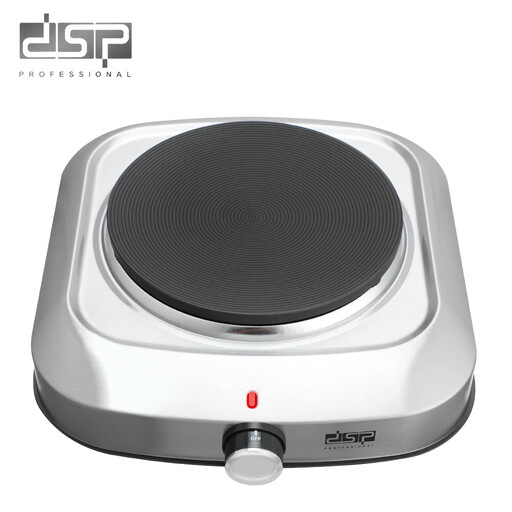
A single hotplate with adjustable temperature control for cooking with one pan.
Power: 1.500 W; heating surface: 185 mm. The description lists several control settings. A slight smell and a little smoke may occur the first time you use it; running it for 3–5 minutes in a well-ventilated area is recommended.
Only if the base is induction-compatible and its diameter suits the cooking zone on the specific model. Rommelsbacher lists a 120–230 mm cooking zone for the CT 2010/IN; CASO Design specifies that the ProMenu 2100 is suitable for pans with a diameter of 12–24 cm.
Read the set-up, operating and cleaning instructions for the specific model, and choose a stable place for it. An induction hob can also retain residual heat from a hot pan; let the appliance cool as instructed before putting it away.
No, there is no such EU label for hobs. Verbraucherzentrale explains that the label on a combined cooker relates to the oven; you can’t calculate the electricity used for a particular recipe from the rated power of a portable hob alone.
Online purchases generally come with a 14-day right to cancel, starting from the conclusion of the contract or receipt of the goods ordered. Verbraucherzentrale distinguishes statutory consumer rights against the seller from a voluntary manufacturer’s guarantee; check the terms of your specific purchase.
No. According to the European Union, the manufacturer uses the CE mark to declare that the product meets the relevant requirements; no central EU body issues a general CE certificate. Bundesnetzagentur lists product identification and correct manufacturer details among the things to check.