For making tomato soup in one pan, a portable single induction hob is a sensible starting point, provided the pan’s base is suitable for induction and fits the appliance’s size range. If your pan isn’t compatible, consider a cast-iron hotplate or a radiant ceramic hob. A double hob is most worthwhile if you regularly cook two things at once and have enough space and a suitable power connection.
Finding the right hob for you
For one-pan soup makers
If you’re making tomato soup on an extra cooking zone, look for easy-to-reach controls, a suitable pan size and a safe place to set up the hob. The highest wattage alone won’t tell you how gently your soup will simmer in your pan on a low heat.
For cooks with a pan they want to keep using
If you’d like to keep using your soup pan, check that its base is suitable and fits the stated pan size range before buying an induction hob. If it isn’t suitable for induction, you could consider a conventional single hotplate instead.
For cooks with limited shared space
If you share worktop space with others or want to put the appliance away after cooking, compare its footprint and the cable length. Remember, too, that a hot cooking surface needs to cool down before you can clean or put it away.
What to consider when buying
For making tomato soup in a shared kitchen, the key considerations are heat control, choosing a suitable pan, finding a safe place for the hob and deciding whether you need a second cooking zone.
| What you need |
What to check before buying |
Who it matters most to |
| Control the heat while making soup |
How easy the power settings are to use; a timer doesn’t replace keeping an eye on the soup and stirring it. |
If I want to keep simmering the soup after it comes to the boil, I need easy-to-reach settings that let me adjust the heat. Around 33% of consumers prioritise heat control when making soup. |
| Keep using my existing pan |
For induction, check that the pan has a magnetic base and that its diameter falls within the range specified for the model. |
If I want to keep using my soup pan in a shared kitchen, it needs to be compatible with both the heating technology and the cooking zone. Around 25% of consumers put compatibility with their existing pan first. |
| Worktop space and power connection |
Consider the appliance’s dimensions, space for the pan and cable, and the power rating of the intended connection. |
If the worktop and power connection are shared, I want to be able to set up the appliance safely without blocking space or access for others. Around 25% of consumers prioritise the space required and the power connection. |
| Cook soup and a side dish at the same time |
For a double hob, check the footprint and total power rating of the specific model. |
If I regularly make a side dish at the same time, a second cooking zone is only worthwhile if there’s enough space and a suitable power connection. Around 17% of consumers prioritise cooking two things at once. |
Avoiding common buying mistakes
-
Assuming ceramic glass means induction
Ceramic glass describes the surface, not the heating technology. A ceramic-glass hob can use induction or a radiant heating element.
Check which heating technology is specified. For induction, the pan base must also be suitable and fit the stated size range.
-
Buying a second cooking zone just in case
If you only use one pan for soup, the second zone will go unused. Double hobs also need more space.
Choose two zones if you regularly cook two things at once, and check the appliance’s total power rating and required power connection.
-
Assuming wattage or temperature settings determine how well the soup simmers
The rated power and available settings describe the appliance, not how the soup will behave in your pan.
Look for easy-to-reach controls and suitable low settings. Keep an eye on the soup and stir it as it cooks.
-
Overlooking a shared power connection
Aktion Das sichere Haus warns against plugging several high-powered appliances into the same extension lead if this could exceed its maximum load.
Check the appliance’s power rating and required connection. Don’t run high-powered appliances from the same extension lead at the same time without considering the load.
Brands to consider
CASO Design
CASO’s Touch 2000 is a portable single induction hob for a compatible soup pan.
- CASO lists ten power settings, a timer, pan detection, 2.000 W and a pan size range of 12–24 cm for the Touch 2000.
- These manufacturer specifications don’t show how gently soup will simmer in your own pan. Also check that your pan’s diameter falls within the stated range.
Rommelsbacher
Rommelsbacher offers portable single hobs with induction and radiant ceramic heating.
- The manufacturer lists induction and a pan size range of 120–230 mm for the CT 2010/IN. The CT 2200/E has a switchable heating zone with 140/210 mm settings and a residual heat indicator.
- The two models use different heating technologies. A ceramic-glass surface on its own doesn’t mean the hob uses induction.
Severin
Severin offers single hobs with different heating technologies, as well as a double induction hob.
- The manufacturer lists 2.000 W and pan detection for the KP 1071 induction hob, 1.500 W for the KP 1091 cast-iron hotplate, and two zones with a total rated power of 3.400 W for the DK 1031 double induction hob.
- Controls, space requirements and power connection requirements vary by model. Check the specifications for the particular appliance and your kitchen.
WMF
WMF offers the portable Kult X Mono single induction hob and the double-zone Kult X Doppel.
- WMF lists eight power settings and six programmes for the Mono model. The double model has two zones and is specified for pan diameters of 18–28 cm.
- Programmes are features, not proof of a particular result when cooking tomato soup. If you choose the double model, also check that you have enough space.
Hobs at Joybuy
The products below are single hobs for cooking with one pan. They include induction models and a single hotplate with a heating ring.
 No image available
Severin KP 1092 single hotplate
This single hotplate has variable temperature control, so you can adjust the heat while cooking.
Heating ring: 18 cm; power: 1.500 W. The cooking surface gets hot during use and must cool completely before cleaning.
View at Joybuy
 No image available
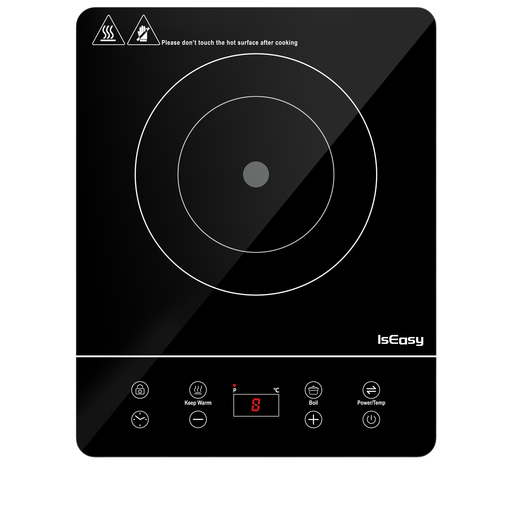
IsEasy single induction hob, 2.100 W
This single model offers several power settings for a soup pan that’s suitable for induction and within the stated size range.
Nine power settings and nine temperature settings; suitable pan diameter: 12–26 cm. It also has a timer of up to 8 hours and a child lock.
View at Joybuy
 No image available
Single induction hob, 1.000 W
This portable single hob is an option for cooking with one pan, provided its base is suitable for induction.
Five heat settings; rated power: 1.000 W.
View at Joybuy
 No image available
Single induction hob, 3.500 W, 10 temperature settings
This single model is for consumers looking for an induction hob with several temperature settings and a soup programme. The programme doesn’t guarantee a particular cooking result.
Rated power: 3.500 W; ten temperature settings. Check that the intended power connection is suitable before use.
View at Joybuy
 No image available
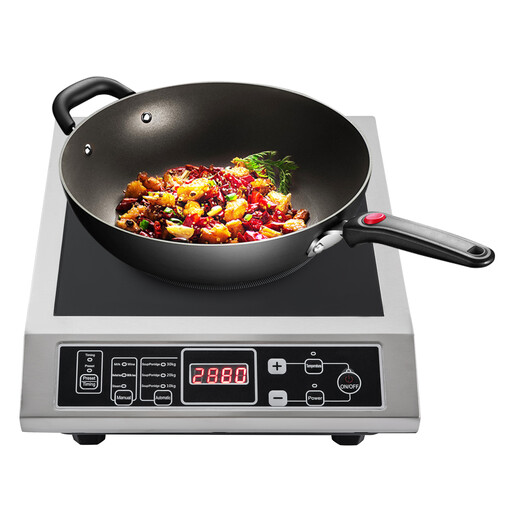
Single induction hob, 3.500 W, 8 temperature settings
This single hob is designed for a pan that’s suitable for induction. It features an automatic soup mode, but this doesn’t guarantee a particular result.
Rated power: 3.500 W; eight temperature settings. Check the required power connection before use, and avoid plugging it into an extension lead shared with other high-powered appliances without considering the load.
View at Joybuy
Frequently asked questions
How can I check whether my soup pan works on induction?
The pan base must be suitable for induction. A magnet that sticks firmly to the base is a useful indication. Also compare the diameter of the pan base with the size range for your chosen model.
Does a portable hob need to be permanently installed?
The portable appliances covered here are designed to be plugged into the mains; CASO specifically says the Touch 2000 is for use with a socket. Check the instructions for your specific model, choose a safe place to set it up and make sure the power connection can handle the load. This doesn’t automatically apply to hobs designed for built-in installation.
How can I keep a shared kitchen clean after cooking?
Clean splashes from the appliance and shared surfaces in line with the model’s cleaning instructions, and only once hot surfaces can be cleaned safely. For shared crockery, the DGUV recommends washing with washing-up liquid and hot water.
What do the CE marking and warranty mean when buying?
According to Your Europe, the CE marking is the manufacturer’s declaration that a product meets the relevant EU rules. It isn’t an independent quality mark. For consumer goods bought from a trader in the EU, Your Europe states that consumers have a minimum legal guarantee of two years from the date they receive the goods. An additional manufacturer’s warranty doesn’t replace your statutory rights.


