For longer flashcard-writing sessions at a regular library desk, a compact keyboard is a good place to start. The key factors are a typing feel that suits you, a connection that works with your device and a German layout. A manufacturer’s claim that a keyboard is ‘quiet’ doesn’t prove that it will be unobtrusive at your desk. If you move around frequently, a protective cover or foldable design may matter more, although an unfamiliar key layout can offset the benefit of a smaller packed size.
Who is a portable keyboard suitable for?
Writing flashcards at a regular library desk
If you create lots of cards at the same desk, comfortable keys and a typing feel suited to your study space matter. Manufacturers’ claims about quiet typing aren’t based on a standardised noise comparison.
Students using a tablet or mobile phone
If you want to type on a mobile device you already own, check the connection, operating system support and the exact key layout.
Students who move around frequently
If you often pack your keyboard away, weigh its packed size and protection in transit against the key layout and the space you’ll have to set it up.
What should you look for when buying?
First, work out whether you’ll mostly type at a regular desk or while you’re out and about. Then compare the typing feel, device connection and layout with how you’ll actually use it.
| What matters |
What to check before buying |
Who is this important to? |
| Typing noise |
If possible, try the keys in a quiet setting and follow the library’s rules for using the space. |
If I’m typing lots of flashcards in a quiet study area, I want the keys to be as unobtrusive as possible. Around 33% of consumers put quiet typing at the top of their list. |
| Device and German layout |
Check the operating system, Bluetooth or USB connection, QWERTZ key markings and how it works in your flashcard app. |
If you want to use the keyboard with your own device and type the characters you need, check the exact version. Around 27% of consumers prioritise compatibility with their device and layout. |
| Packed size and protection in transit |
Consider the dimensions when packed and unfolded, whether it comes with a cover or case, and how much space you have at your desk. |
If I move around frequently, I want a keyboard that’s easy to stow without overlooking an unfamiliar key layout. Around 27% of consumers prioritise a compact packed size and protection in transit. |
| Power supply |
Check the model’s power source, what’s included and how to dispose of used batteries. |
If you don’t want to be interrupted by flat batteries or a battery that needs charging while you’re out, plan for the power supply. Around 13% of consumers prioritise readiness to use and ongoing effort. |
When considering a specific listing, also check that the device is correctly labelled, comes with German-language instructions and has a responsible economic operator in the EU. The Federal Network Agency lists these requirements for the relevant electrical and electronic devices placed on the market in Germany.
Which buying misconceptions should I avoid?
-
Assuming ‘quiet’ means a set noise level for the library
A manufacturer’s description isn’t a noise-level comparison made under the same conditions, and it doesn’t tell you how the keyboard will sound at your desk.
If possible, try the keys yourself in a quiet setting and follow the rules of the library you’re using.
-
Assuming models in the same range have the same key layout
Device compatibility and a German layout are two separate things to check. Choosing the wrong version could mean having to exchange it.
Before buying, check the full model name and QWERTZ markings on the exact version.
-
Assuming a foldable design automatically means more comfortable typing
A compact foldable design may have a split or unfamiliar key layout that feels different from a straight compact keyboard.
If you write lots of flashcards, weigh the layout when unfolded against the space you save when packing it away.
Which brands are worth considering?
Logitech
The Keys-To-Go 2 is a slim keyboard with an integrated cover to protect the keys in transit.
- Logitech lists support for Android, ChromeOS, Windows, iPadOS, iOS and macOS.
- According to Logitech, the cover protects the keys; that doesn’t mean it protects your tablet. Check the layout version and typing noise separately for the listing you’re considering.
CHERRY
The KW 7100 MINI BT is a compact, rigid Bluetooth keyboard with three channels and a carry case.
- CHERRY lists scissor keys and describes the typing feel as quiet.
- The noise description is a manufacturer’s claim, not an independent comparison. The layout and device support depend on the exact version.
Inateck
The Nomad Ergo KB603 is a foldable QWERTZ keyboard with a split V-shaped layout.
- Its foldable design is an option if packed size matters.
- The V-shaped layout differs from a straight compact keyboard. Conflicting weight figures make it impossible to confirm a reliable weight advantage.
Rapoo
According to Rapoo, the E9010M offers Bluetooth as well as a 2.4 GHz USB receiver.
- Rapoo lists 78 scissor keys and two pre-installed AAA batteries.
- This doesn’t confirm a specific noise level or a German layout for an individual listing. Also check that your device supports the receiver.
Joybuy products for typing on the go
This selection includes portable keyboards for use with tablets and other devices, including foldable models and versions listed as QWERTZ. Check the model, layout and connection for your particular device.
 No image available
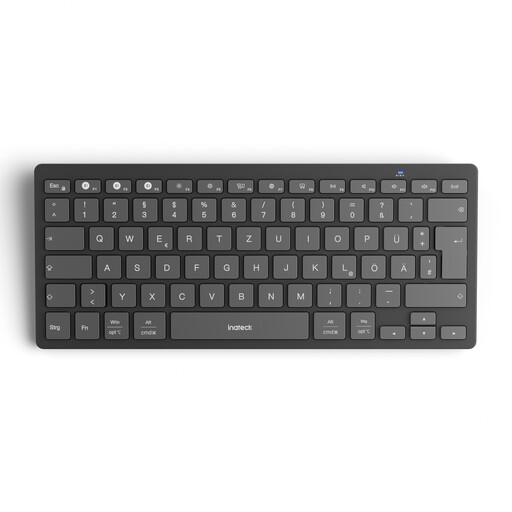
Inateck KB01003G QWERTZ Bluetooth keyboard with trackpad
For students looking for a QWERTZ keyboard with a trackpad and the ability to switch between multiple devices.
Bluetooth for up to three devices; 1.5 mm key travel; 217 g.
Joybuy
 No image available
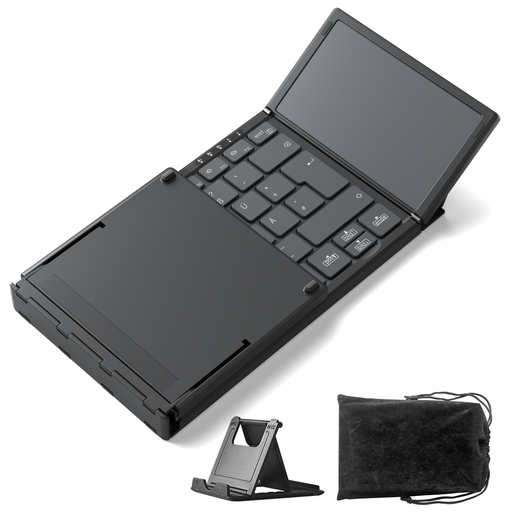
Inateck N0153BK foldable QWERTZ mini keyboard
A foldable option if a compact packed size and QWERTZ layout matter more to you than a rigid key arrangement.
Three Bluetooth channels; integrated trackpad; 7.1 × 4.5 × 0.7 inches when folded; 228 g.
Joybuy
 No image available
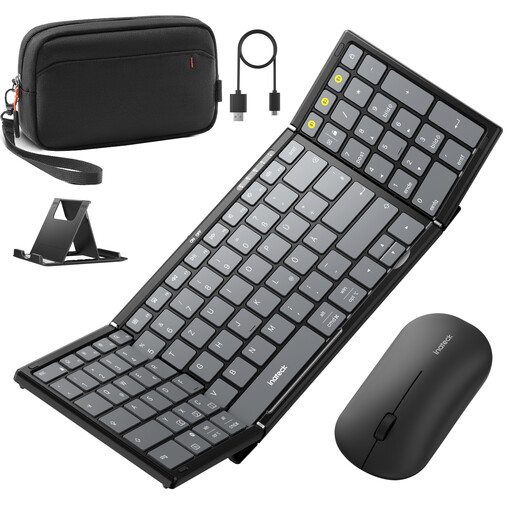
Inateck N0158BK QWERTZ keyboard and mouse set
This set could suit you if you’d like a mouse and device stand as well as a foldable keyboard.
99 keys with number pad; foldable keyboard; stand and carry case according to the product details.
Joybuy
 No image available
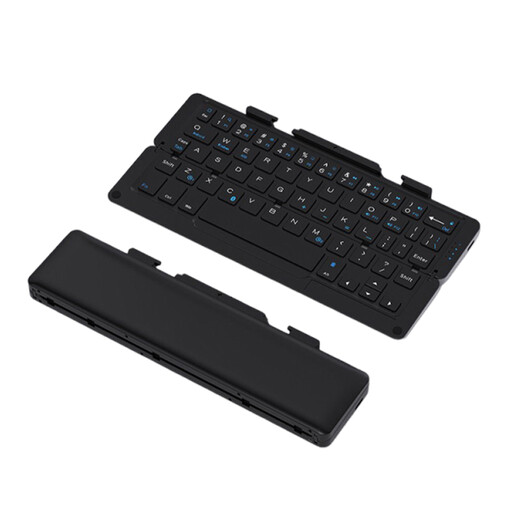
NAXSIR foldable Bluetooth keyboard with magnetic stand
For typing on the go, with a foldable design and separate magnetic stand.
Rechargeable battery; Type-C charging port according to the product description. Check the key layout of your version before buying.
Joybuy
 No image available
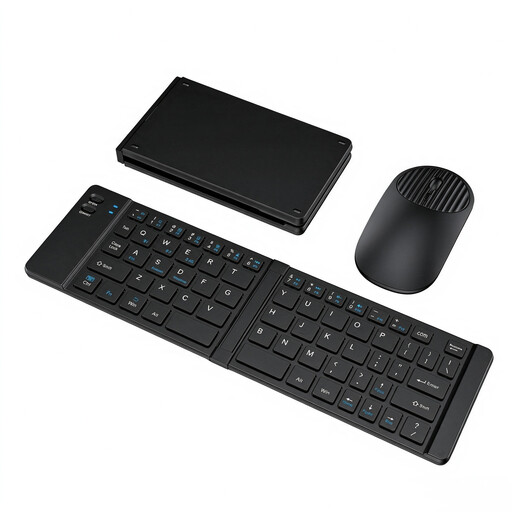
Foldable Bluetooth keyboard with wireless mouse and USB-C charging
A set to consider if you’re looking for a foldable keyboard and mouse that can be used with multiple devices.
Three connection modes; connects to up to three devices; USB-C charging. The product details list Windows, Android and iOS.
Joybuy
Frequently asked questions
Is a ‘quiet’ claim enough for using a keyboard in the library?
No. A manufacturer’s description doesn’t confirm a comparable noise level at your particular desk. Try the keys yourself if possible, and follow the local rules for using the space.
How do I set up the keyboard for writing flashcards?
First, check whether your device supports the intended Bluetooth connection or a compatible USB receiver. Then test your flashcard app to make sure special characters and the keyboard shortcuts you need work properly.
What should I do with an old keyboard and removable batteries?
The German Environment Agency advises against putting waste electrical and electronic equipment in household rubbish. Remove the batteries before returning the keyboard, if possible, and dispose of them separately.
Is a manufacturer’s guarantee the same as your statutory rights?
No. Your statutory rights cover claims against the seller relating to faults; a guarantee is an optional extra provided under its own terms and conditions.
Which product details matter when buying in Germany?
For the relevant electrical or electronic devices, the Federal Network Agency lists requirements including correct CE marking, German-language instructions and a responsible economic operator based in the EU. Check these details for the specific listing; a CE mark alone doesn’t prove that the individual product has been independently tested.


