
Lieferung heute & morgen

Qualitätsgarantie

Willkommens-Angebote freischalten: KOSTENLOSE Lieferung | Bis zu 80 % RABATT | Kostenlose 30-Tage-JoyPlus-Testphase
App herunterladen
The market for portable LED lighting is vast, but not every product lives up to its advertising. Exaggerated marketing claims and unclear technical specs often lead to purchases you'll later regret. Before you invest in a new light, it's wise to understand the most common pitfalls. This will help you make an informed decision that truly meets your needs.
Many products on the market entice buyers with impressive numbers that mean little in practice. Three points in particular often lead to disappointment:
To find the right LED solution, focus on objective, verifiable criteria. Three parameters are essential for most use cases.
The lumen (lm) unit measures a lamp's total light output. However, the brightness you need depends heavily on the application:
Look for multiple light modes (e.g., high, low, strobe) to adapt the brightness and battery life to any situation.
The choice of power supply is a fundamental decision.
The IP (Ingress Protection) rating indicates how well a housing is protected against the entry of foreign objects (first digit) and water (second digit).
Here are some product suggestions tailored to specific user profiles and their requirements.
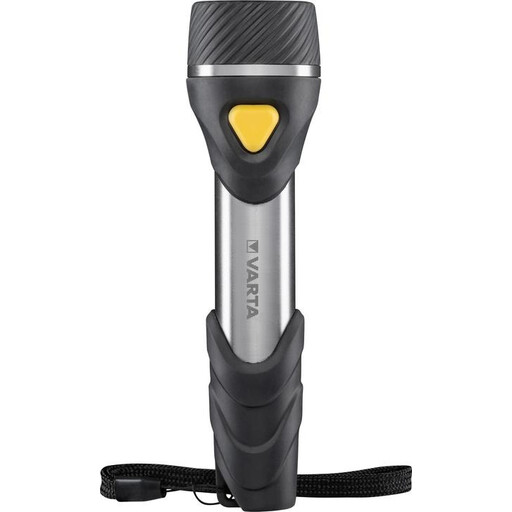
Why This Fits Their Persona: Ideal for general household use and as an emergency lamp. Operating on standard AA batteries makes it independent of power outlets and charging times, which is a key advantage for emergency preparedness.
Avoids the battery trap: The stated runtime of up to 62 hours is realistic due to the use of standard batteries and is not affected by the degradation of a built-in rechargeable battery.
Robust three-component housing (stainless steel, rubber, ABS plastic) and simple operation. Batteries are included in the box.
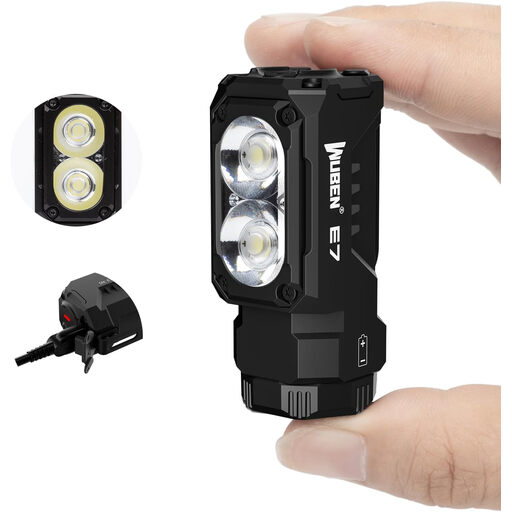
Why This Fits Their Persona: Designed for demanding users who need an extremely bright and rugged light source for camping or hiking. The high lumen count combined with a high IP rating makes it a reliable tool in the great outdoors.
Avoids the poor weather resistance trap. With an IP68 rating, it is completely dust-tight and suitable for continuous immersion, going far beyond the protection of a typical "outdoor" lamp.
Very high light output of 1800 lumens, 6 light modes, USB-C charging, and a magnetic tail cap for hands-free use.
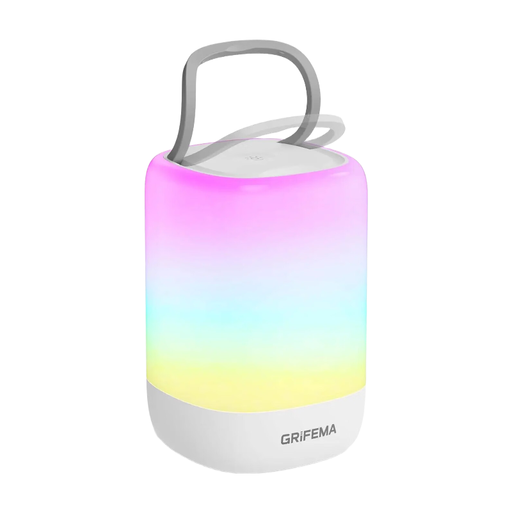
Why This Fits Their Persona: Perfect for users seeking flexible and atmospheric lighting for various areas around the home. As a cordless table lamp, it can be used in the bedroom, a child's room, or even to create a cozy atmosphere on the balcony.
Solves the misleading brightness problem by focusing on functionality rather than maximum lumens. The stepless dimming function and RGB colour-changing modes offer practical adjustments for ambiance instead of raw power.
Touch control, a timer function, a USB-C charging port, and a battery life of up to 15 hours (per manufacturer specs) make it highly versatile.
We have compiled a complete, up-to-date list of products that fully meet these strict selection criteria and local safety regulations.
The IP (Ingress Protection) rating indicates how well a lamp is protected against the ingress of foreign objects (first digit) and water (second digit). For outdoor use in the rain, a lamp should have at least an IP44 rating (protection against splashing water). For more demanding conditions like heavy rain or the risk of immersion, higher ratings like IP67 are recommended.
It depends on the use case. For a night light or mood lighting, under 100 lumens is sufficient. For general household tasks or camping, 100 to 500 lumens is usually enough. A work light or a flashlight for navigating in complete darkness should have over 500 lumens. More important than the raw lumen count is often the quality of the beam and the ability to dim the brightness.
Not necessarily. Rechargeable lamps are convenient for frequent use and more eco-friendly as they reduce battery waste. However, for an emergency kit that remains unused for long periods, battery-powered models can be more reliable, as rechargeable batteries self-discharge and degrade over time. In this case, replaceable batteries offer an instant and dependable power source.