
Lieferung heute & morgen

Qualitätsgarantie

Willkommens-Angebote freischalten: KOSTENLOSE Lieferung | Bis zu 80 % RABATT | Kostenlose 30-Tage-JoyPlus-Testphase
App herunterladen
A good oil dispenser is an unsung hero in the kitchen. It allows for precise pouring, keeps your work surfaces clean, and protects valuable cooking oils. However, the market is flooded with models that often fail to deliver on their promises. Sticky bottles, uncontrolled dripping, and hard-to-clean containers are common frustrations.
This guide will show you what to look for to avoid a bad purchase. We'll focus on the crucial features that separate a functional oil dispenser from a frustrating one, helping you find the right solution for your kitchen.
Many products boast an attractive design but fail on basic functional requirements. Watch out for these three typical weaknesses:
To avoid the problems mentioned above, you should check three key aspects before buying. These largely determine the functionality and utility in your daily kitchen routine.
The choice of material affects both durability and oil quality.
A truly drip-free oil dispenser depends on the intelligent design of its spout. A good oil pourer features:
These features enable precise and clean dispensing, whether for salad dressings or for searing.
A practical kitchen condiment dispenser must be easy to handle. A wide opening makes refilling without a funnel and subsequent cleaning much easier. Check if the dispenser can be disassembled and if the individual parts (especially the bottle) are dishwasher-safe. This is particularly important for a vinegar and oil dispenser set to ensure consistent hygiene.
Based on the criteria above, we have identified some products suitable for different needs and user profiles.
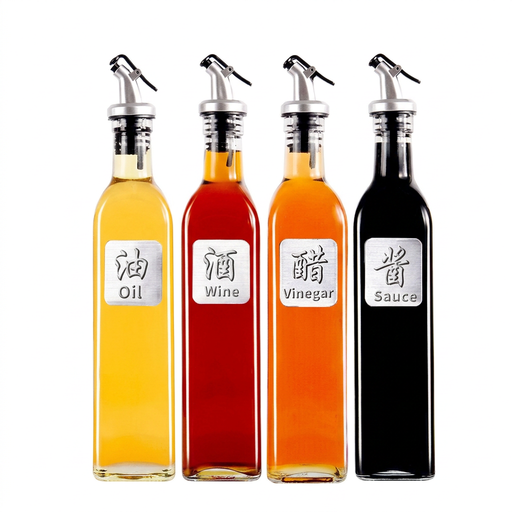
Why This Fits Their Persona: Ideal for those who want a uniform and functional solution for various liquid condiments without a large budget. The set allows for organised storage of oil, vinegar, and other sauces.
According to the manufacturer, the stainless steel spout is designed for drip-free handling and has a seal that addresses the leakage problem. The glass containers are easy to clean.
A comprehensive oil dispenser set with 4 bottles and a funnel, offering excellent value for money. Clear glass for easy content identification.
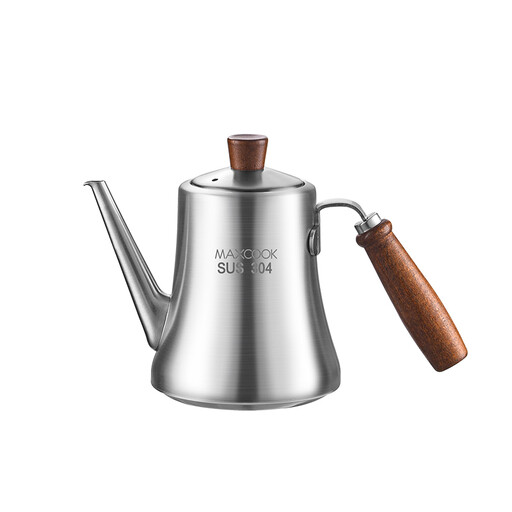
Why This Fits Their Persona: For home chefs who value high-quality materials, durability, and an appealing design. The combination of brushed stainless steel and a wooden handle fits perfectly into modern kitchens.
The 304 stainless steel construction prevents rust and protects the oil from light. The "eagle beak" spout is specially shaped to prevent dripping and oil running back down the side.
Robust, opaque construction. Ergonomic handle for stable one-handed operation. Large opening for easy cleaning and refilling.
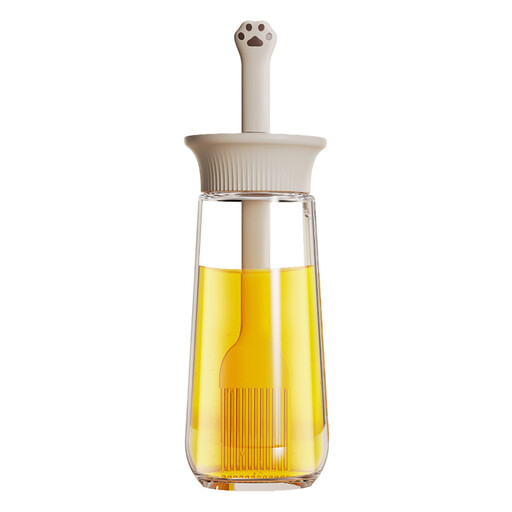
Why This Fits Their Persona: Perfect for users looking for a specific function, such as basting grilled food, baking tins, or pans. This tool combines storage and application in one.
The integrated lid and brush design prevents splashes and messes. Since the entire top part is removable for cleaning, the build-up of old oil is effectively avoided.
An oil dispenser with a brush in one device. The brush is made of food-grade silicone. Ideal for precise and even application of oil, honey, or marinades.
We have compiled a complete, up-to-date list of products that fully meet these strict selection criteria and safety standards.
How do you clean an oil dispenser properly to prevent rancid oil? Empty the dispenser completely. Clean it with warm water and washing-up liquid, ideally using a bottle brush. Rinse it thoroughly and let it air dry completely before refilling. Never top up old residue with fresh oil, as this shortens its shelf life.
Which material is best for olive oil: glass or stainless steel? Both materials have their merits. Stainless steel offers superior protection from light, which preserves the quality of extra virgin olive oil for longer. A glass oil bottle, especially one made of dark or UV-coated glass, is a good compromise. Clear glass bottles are suitable for oils that are used up quickly but should always be stored in a dark cupboard.
How often should you clean an oil dispenser? It is recommended to clean the oil dispenser thoroughly every time you refill it. This ensures that no old, potentially rancid oil residue contaminates the fresh oil. From a hygiene perspective, smaller dispensers that are refilled and cleaned more frequently are often better than very large storage containers.