Screening films in bright museum rooms
If you show films to a group during the day, you’ll need to account for light coming through tall windows and check whether you can shade the screen.


If you can’t adequately block out the light from the windows, a portable, bright mains-powered projector is a sensible place to start. However, the key is to test it with your film on the intended screen, as lumen figures don’t guarantee good contrast in daylight. A compact battery-powered projector is better suited to a smaller, shaded projection where you can’t rely on having a power socket. Also check the throw distance, film playback, sound and, where necessary, screening rights.
If you show films to a group during the day, you’ll need to account for light coming through tall windows and check whether you can shade the screen.
If you’re regularly setting up and packing away, the right throw distance, connections and a portable device all matter, as does the screen size you want.
A battery-powered projector could be an option if you can use a smaller projection or adequately shade the screen.
| Consideration | What to look for when buying | Who is most affected? |
|---|---|---|
| Visibility in window light | Check the light on the screen at the time of the screening; compare brightness figures only when they use a comparable measurement basis and operating mode. | If I’m projecting for a group during the day, the film needs to remain visible even if light might be coming through the windows. Around 38 % of consumers are likely to prioritise this. |
| Transport and set-up | Measure the throw distance and screen width; check the weight, power supply and available adjustment options for the specific model. | When using different rooms, I want to be able to set up the projector quickly without leaving the distance and screen size to chance. Around 23 % of consumers particularly value a flexible set-up. |
| Film playback and sound | Test the film using the intended playback device; check the connections, any adapters required and whether you’ll need external speakers. | If I’m showing a film to several people, the video source and sound need to work with the equipment available and suit the room. Around 23 % of consumers prioritise reliable playback. |
| Maintenance and ongoing costs | Check the light source type and the model-specific details for each operating mode; consider the terms of sale separately from any voluntary warranties. | For regular screenings, I want to be able to assess the maintenance involved and the terms that apply after purchase. Around 16 % of consumers are likely to make this their main consideration. |
Light falling on the screen can brighten dark areas of a film and reduce the contrast you see. Brightness figures also can’t be compared without taking their measurement basis and operating mode into account.
Check the intended screen size and test the film at the planned screening time in the actual location. Shade the screen if possible.
According to XGIMI, the MoGo 4 is rated at 450 ISO lumens. This figure doesn’t prove that it’s suitable for a large screen with direct window light.
Only prioritise battery power if you can use a smaller projection or adequately shade the screen.
Manufacturer figures for the light source don’t automatically indicate how long the whole device will last. Figures for lamp projectors can vary depending on the operating mode. A voluntary warranty is also different from your statutory rights.
Check the maintenance details for the specific model, and read the warranty terms and terms of sale separately.
The EB-FH54 is a Full HD mains-powered projector described as portable, with 3LCD technology and 4,100 lumens.
The MH733 is a Full HD business projector rated at 4,000 ANSI lumens by BenQ, with a net weight of 2.5 kg.
The LS740HD is a Full HD laser installation projector that could be considered for regular screenings.
The P5530i is a Full HD lamp projector designed for meeting rooms.
The MoGo 4 is a compact battery-powered option if you can shade the screen or reduce the projection size.
The portable models below could be suitable for playing films in different locations. Brightness figures are no substitute for testing your own film at the intended screening location.
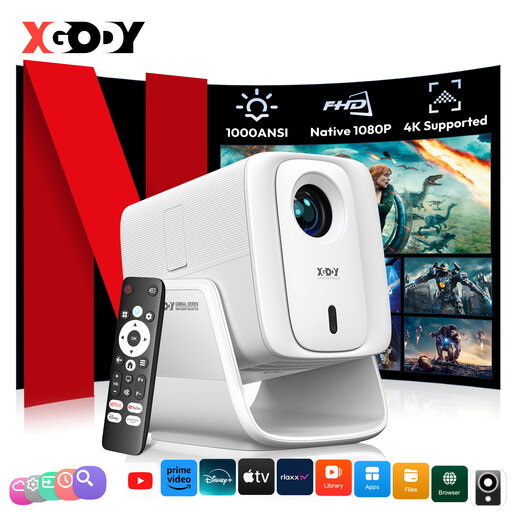 No image available
For playing films via HDMI and setting up in different locations. Check the connections and test the picture at the intended screening location.
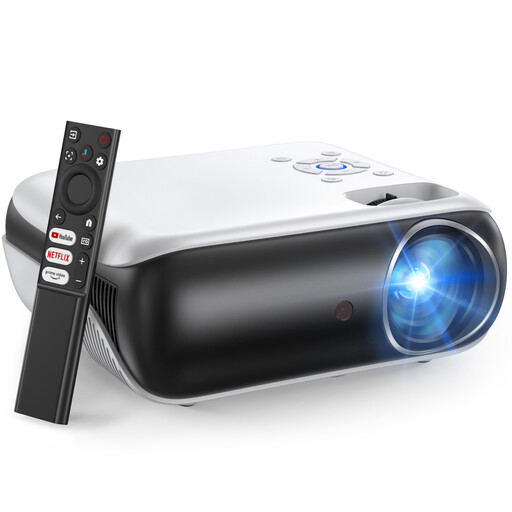 No image available
For wired film playback, provided the connections are compatible with your playback device. Test the sound with the group size you expect.
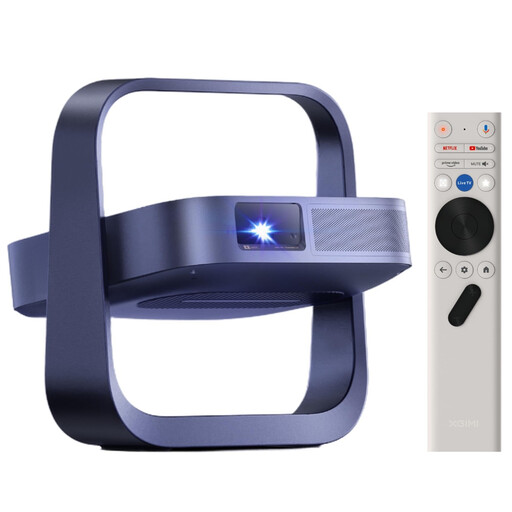 No image available
Its portable design could be useful when setting up in different locations. The brightness figure alone doesn’t prove that it will be visible in window light.
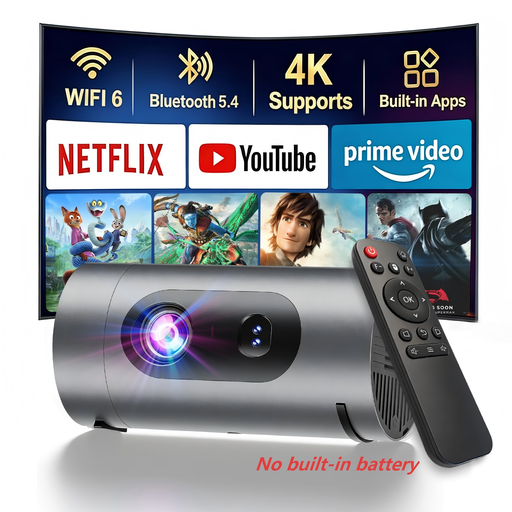 No image available
For flexible set-ups without a power socket by the projector, provided you have a suitable power bank. Check the picture quality at the intended location.
 No image available
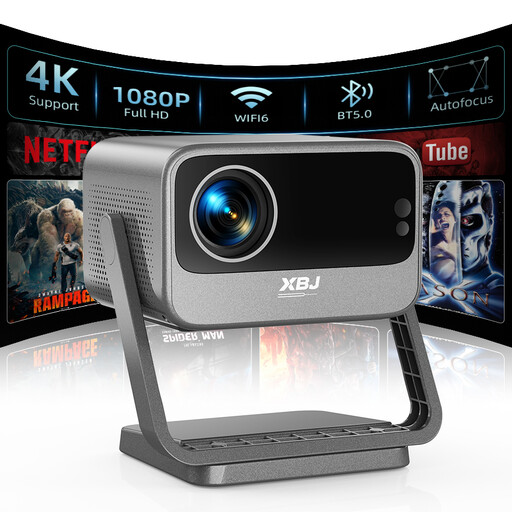
The rotating stand could be useful when positioning the projector flexibly. Check in advance that the screen size and set-up will work in the room.
No, not on its own. If light from the windows falls on the screen, the contrast you see may be reduced. Check whether you can shade the screen and consider the screen size, then test the film at the intended location. Compare brightness figures only after taking the measurement basis and operating mode into account.
Measure the available throw distance and the screen width you want, then check both against the throw ratio of the specific model. Aim to position the projector straight on where possible. Keystone correction can help if the projector is at an angle, but it’s no substitute for positioning it properly.
For consumer purchases in Germany, statutory rights against the seller are separate from any voluntary warranty. If a club or museum is making the purchase, check the specific contract terms rather than assuming that consumer rights apply to an institutional purchase.
A public film screening may require permission from the rights holders. Under § 52 para. 3 UrhG, public screenings of a film work require the consent of the rights holder; holding a free or volunteer-run event doesn’t automatically remove this requirement. For the specific films, and any music they contain, check who can grant the necessary rights.
According to information from the European Union, CE marking is only required when relevant EU rules require it for the product type in question. It isn’t an independent quality mark and doesn’t prove that a particular projector is suitable for daylight.