What should you look for when buying?
You can assess DAB+ reception for a specific location, but the DAB+ Mehr Radio coverage prediction is no substitute for testing the radio where you plan to listen.
| What matters to you |
What to check before buying |
Who this matters most to |
| Receiving a local station |
Find the right station and reception method; check the DAB+ indoor coverage prediction and test reception where you plan to listen. |
If I need updates about my route, receiving the right local programme matters most. Around 34% of consumers prioritise reception. |
| Listening quietly and privately |
Check for a headphone socket and volume control; look in the manual for TP, EON or traffic announcement functions. |
In a shared room, I want to hear updates without disturbing anyone or having the volume unexpectedly turned up. Around 33% of consumers prioritise listening quietly without interruptions. |
| Listening on the move, away from a power socket |
Compare battery or mains operation, charging method and what’s included with the exact version. |
If I use my radio in different places, I want a power supply that suits how I use it. Around 20% of consumers prioritise portable use away from a power socket. |
| Finding a station quickly |
Check the difference between preset buttons and favourite station memory; make sure you know how to select the station you want. |
Before setting off, I want to select my station without having to search for it. Around 13% of consumers prioritise quick access to stations. |
Radios at Joybuy
This selection includes portable DAB+/FM radios and simple AM/FM models. Check that each device can receive the station you want where you plan to listen.
 No image available
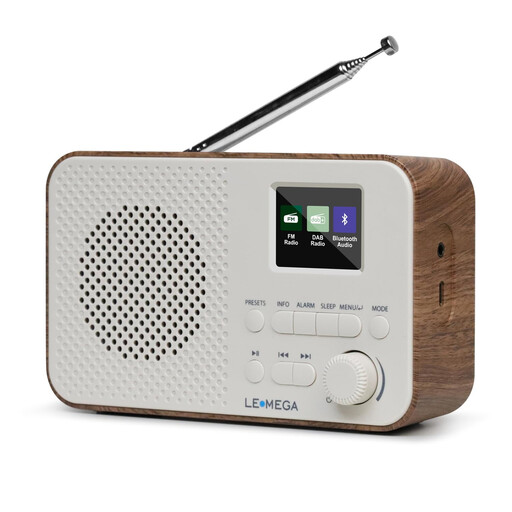
LEMEGA DAB Go DAB+/FM radio, Walnut
The listed headphone socket and built-in battery are useful if you want to listen privately or move between listening locations.
DAB+/DAB and FM; speech EQ; 40 presets; USB-C charging; headphone socket; 2200 mAh rechargeable battery.
View at Joybuy
 No image available
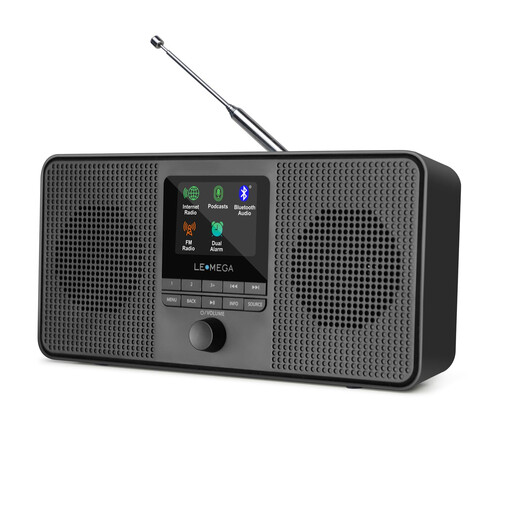
LEMEGA IR4S Internet Radio, Black
This model could be a good choice if you want to listen to internet radio as well as terrestrial stations, and connect headphones.
DAB and FM; 20 FM presets and 40 internet presets; 3.5 mm headphone socket; mains power or four AA batteries.
View at Joybuy
 No image available
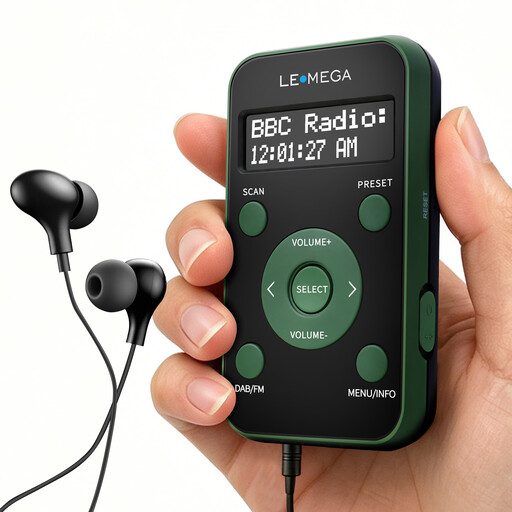
LEMEGA PR1 Pocket DAB/DAB+/FM Radio, Green/Black
This pocket radio could suit you when you’re out and about if you want DAB+/FM and plan to use the included earphones.
DAB/DAB+ and FM; rechargeable battery; USB-C charging; 20 presets; earphones.
View at Joybuy
 No image available
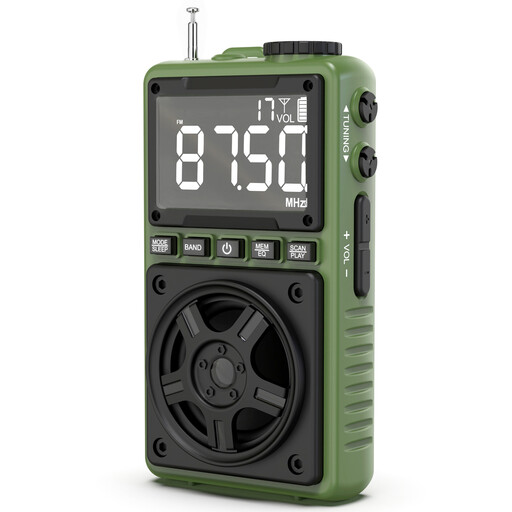
Portable AM/FM radio with Bluetooth
This model is an option if your local station is available on FM and you want to use a headphone socket.
AM/FM; Bluetooth; rechargeable battery; USB-C charging; TF card playback; headphone socket.
View at Joybuy
 No image available
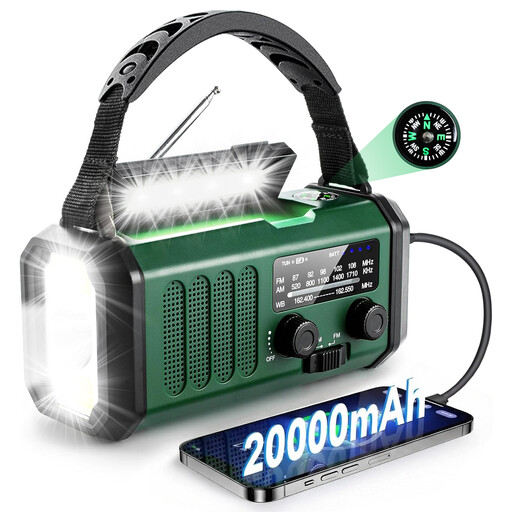
Fosmet Solar Emergency Radio 20000mAh, AM/FM
If you’re looking for a portable AM/FM radio with several stated charging options, check this model’s features and what’s included.
AM/FM; built-in battery; hand crank; solar panel; USB-C charging; telescopic aerial.
View at Joybuy
Frequently asked questions
How can I find out whether my radio receives local traffic updates?
First, find a station that broadcasts updates for your area, then check which reception methods it offers. For DAB+, you can refer to the location-specific coverage prediction from DAB+ Mehr Radio. Then test reception where you’ll actually be listening, if possible, as the prediction isn’t a guarantee.
Does every RDS radio automatically turn up the volume for traffic announcements?
No, an RDS label alone doesn’t confirm this. Bayerischer Rundfunk describes automatic volume increases or station switching for the relevant traffic information functions. If you want to keep the volume consistently low, check the functions and settings in the manual for your specific radio.
What should I do if reception is poor where I’ve put the radio?
Check the reception method you want to use, run the recommended station search for DAB+ and test the radio, including its aerial, in the position you have in mind. Local conditions may differ from a coverage prediction. If your radio supports FM, check that separately too.
Do I have to pay an additional broadcasting fee for a portable radio in Germany?
For private households, the Beitragsservice says that the broadcasting fee is generally charged per home, regardless of how many people live there. Different rules may apply in other residential or business situations.
Are newly offered FM-only radios generally banned in Germany?
No, § 75 (4) TKG does not apply to all FM-only radios across the board. Subject to further conditions, the provision covers certain radios made available to consumers for the first time that can display programme names, and includes exceptions. The Verbraucherzentrale also explains that you can continue using an existing FM radio if it works.


