What should you look for when choosing?
First decide between a live broadcast and podcasts you can listen to whenever you like. Then consider reception, speech clarity and power supply in the places where you usually listen.
Live radio
A good fit if: Gardening tips are broadcast at a convenient time on a station you can receive locally.
Things to consider: DAB+ alone doesn’t guarantee reception of a particular station, or that you’ll be able to listen to a programme again later.
Podcasts via Bluetooth
A good fit if: You want to play gardening episodes from a smartphone whenever it suits you.
Things to consider: You’ll still need your smartphone and access to the episode; Bluetooth doesn’t turn the radio itself into a podcast player.
| Priority |
What to check before buying |
Who it matters most to |
| Listening to the gardening tips you want |
Check the station and broadcast time, or find out if there’s a podcast. For live radio, consider the programmes available and indoor reception where you live. |
If I want to listen to a particular gardening programme live, I first check whether I can receive it in my kitchen. Around 36% of consumers put access to that specific programme first. |
| Understanding speech at the dining table |
Try the radio in your usual listening spots and at a typical volume. |
When I’m cooking or eating, I want to understand spoken tips without constantly adjusting the volume. Around 29% of consumers particularly value clear speech in the kitchen-diner. |
| Moving the radio around |
Check whether it has a rechargeable battery or which batteries it needs, what’s included and how well it receives a signal in the places you plan to use it. |
If I want to move the radio between the kitchen and dining table, a suitable power supply that doesn’t rely on a socket matters to me. Around 21% of consumers prioritise flexible placement. |
| Listening to gardening episodes later |
Check that the episode is available and that the radio is confirmed to receive Bluetooth audio, or has another suitable input. |
If I want to play an episode later, I need a reliable way to send audio from the playback device to the radio. Around 14% of consumers prioritise being able to listen to podcasts whenever they like. |
Radio models for different ways of listening
The following Joybuy models offer portable DAB+/FM live radio and, depending on the model, Bluetooth audio from a smartphone. Before choosing, check that the power supply and playback options suit your kitchen and dining area.
 No image available
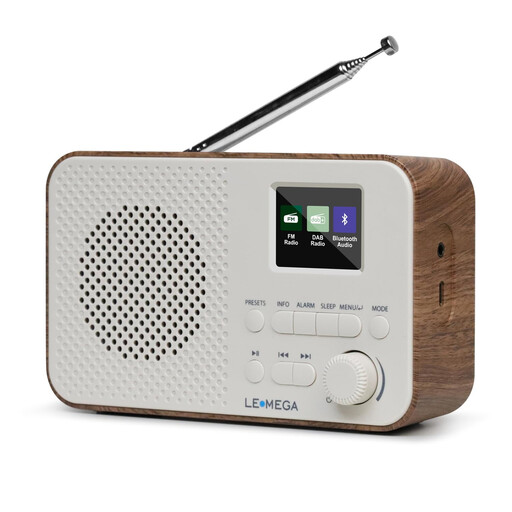
LEMEGA DAB Go, walnut finish
An option if you want to listen to live radio and play audio from your smartphone over Bluetooth.
DAB+/FM, Bluetooth, rechargeable 2200-mAh battery, USB-C charging, headphone socket and 40 station presets.
To listen to podcasts, you’ll need to play the episode on a connected device.
View at Joybuy
 No image available
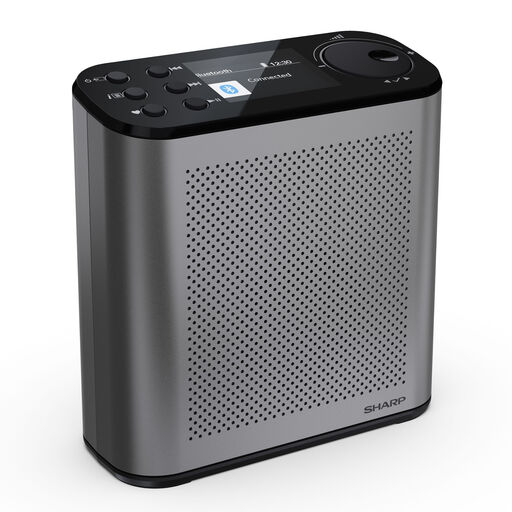
SHARP DR-P530(GY) Osaka, Storm Grey
This portable model is worth considering if you want to combine DAB+/FM live radio with Bluetooth playback.
DAB+/FM, Bluetooth 5.3, 120 station presets, USB-C charging, 2.4-inch colour display and a stated battery life of 15 hours.
To listen to podcasts, you’ll need to play the episode on a connected device.
View at Joybuy
 No image available
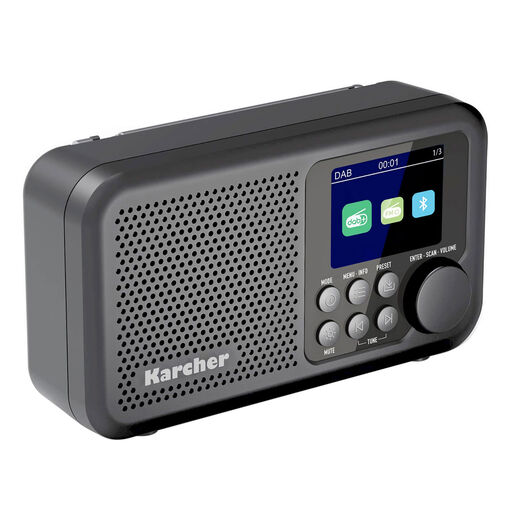
Karcher DAB 2415
A potential choice if you’re looking for a portable radio for live reception and Bluetooth audio from your smartphone.
DAB+, FM, Bluetooth, colour display, headphone socket and alarm function; the product name specifies battery power.
To listen to podcasts, you’ll need to play the episode on a connected device.
View at Joybuy
 No image available
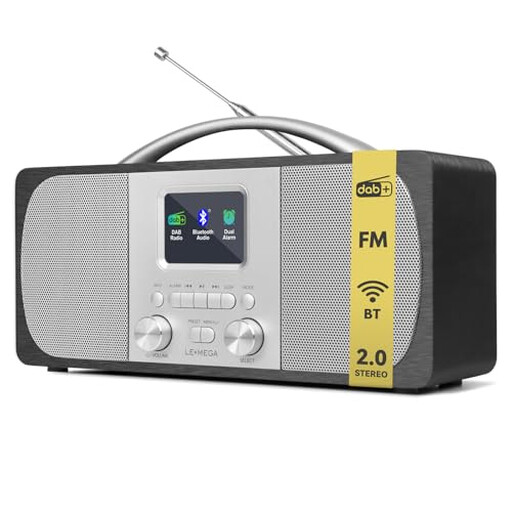
LEMEGA DR6 Stereo
This model could suit you if you want a radio for a fixed spot in the kitchen, with the option of using batteries elsewhere.
DAB/DAB+/FM, Bluetooth, 40 station presets and mains or battery power. Battery operation requires 4 AA batteries, which are not included.
To listen to podcasts, you’ll need to play the episode on a connected device.
View at Joybuy
 No image available
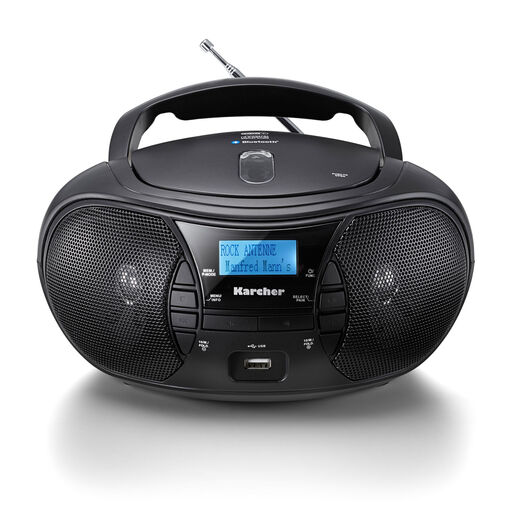
Karcher RR 5028D
An option if you’d like a CD player as well as radio and Bluetooth.
DAB+/FM, Bluetooth, USB, CD player, headphone socket and mains or battery power. Battery operation requires 6 C batteries, which are not included.
To listen to podcasts, you’ll need to play the episode on a connected device.
View at Joybuy
Frequently asked questions
How can I find out if I can listen to my gardening programme on the radio?
First check with the provider whether it’s available as a radio programme or a podcast. For DAB+, the DAB+ Mehr Radio station map shows regional stations; the reception forecast distinguishes between mobile and indoor reception. Whether you can receive a particular programme depends on your location.
What can I do if DAB+ reception is poor in the kitchen?
Run a station scan and try moving the radio, for example closer to a window. DAB+ Mehr Radio points out that a reception forecast is no substitute for testing the signal in the exact spot where you’ll use it in the kitchen.
Can a DAB+ radio play gardening podcasts without another device?
DAB+ receives terrestrial radio, but it doesn’t retrieve podcast episodes. To play an episode from your smartphone, the specific radio needs to support Bluetooth audio reception, for example; Pure describes this feature on the Elan Move.
What ongoing costs and rights should I consider when buying?
DAB+ reception itself doesn’t require internet access. If you’re choosing a battery-powered model, check which batteries it needs and whether they’re included. Your statutory rights to a remedy from the seller and a voluntary manufacturer’s guarantee are two different things.
Does a new portable radio in Germany have to receive digital radio?
Section 75(4) of the TKG sets this requirement for devices being made available on the market to consumers for the first time, primarily intended for radio broadcasting and capable of displaying station names; the provision also lists exceptions. It therefore doesn’t apply across the board to every older FM radio or one without a display.


