
Lieferung heute & morgen

Qualitätsgarantie

Willkommens-Angebote freischalten: KOSTENLOSE Lieferung | Bis zu 80 % RABATT | Kostenlose 30-Tage-JoyPlus-Testphase
App herunterladen
A portable smoothie maker promises a quick and healthy meal on the go. But the selection is vast, and not every device lives up to its promise. Many models turn out to be impractical or break down quickly. This guide will help you identify the crucial features and avoid common buying mistakes, so you can find an appliance that fits your lifestyle.
The decision to buy a portable blender is often influenced by marketing claims that don't hold up in practice. Watch out for these three common problems to avoid a bad investment.
To avoid the problems mentioned above, you should check three core technical specifications before buying. These are crucial in determining your appliance's performance, durability, and practical usability.
A blender's power is measured in watts (W). For a mini blender intended mainly for soft fruits and liquids, 250 watts can be sufficient. However, if you plan to regularly blend fibrous vegetables, nuts, or frozen ingredients, a power output of at least 300 watts is recommended. A blender that can crush ice needs not only adequate power but also a robust blade design. The speed (RPM) is also relevant, but without enough power (watts), the blade can jam.
The quality of the blending container is crucial for safety and convenience.
The blades are the heart of any blender. High-quality models like the WMF Smoothie Maker from the WMF Kitchenminis series often use a 4-pronged stainless steel blade. This design ensures optimal blending and a creamy consistency. For hassle-free cleaning, the blade assembly should be removable and the blending container dishwasher-safe. This is an essential feature for a practical personal blender or a small countertop blender.
Choosing the right appliance depends on your individual needs. Here are some models tailored to specific use cases.
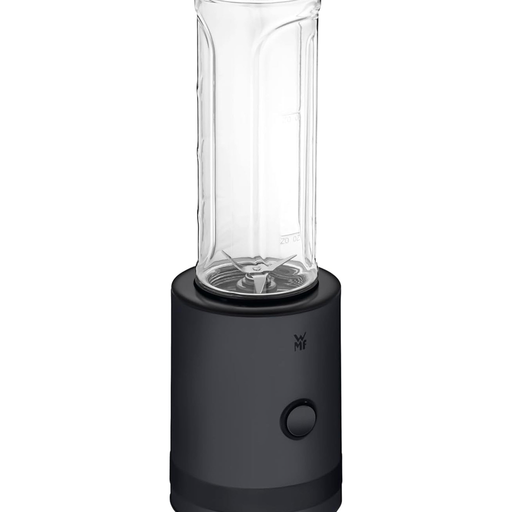
Why This Fits Their Persona: Ideal for a quick start to the day. Its compact design fits into any kitchen, and the two included containers allow for preparation for two people or for the entire day. The WMF brand stands for reliable everyday quality.
The 300-watt motor with 23,000 RPM can also process frozen fruit. The leak-proof screw-on lids and Tritan containers prevent spills and material fatigue. The containers and lids are dishwasher-safe.
The high-quality 4-pronged stainless steel blade with WMF Perfect Cut technology ensures fine blending results. The inclusion of two blending/drinking containers is particularly practical.
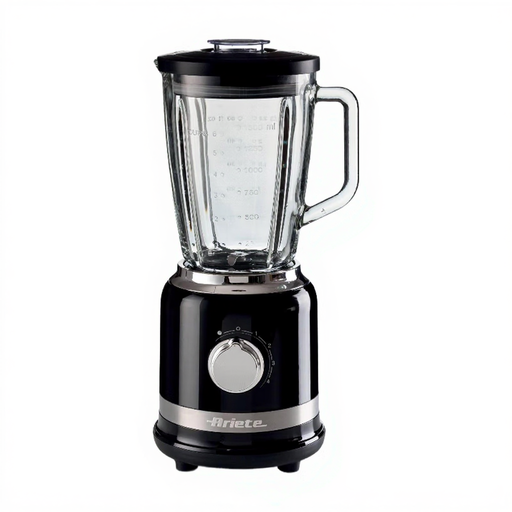
Why This Fits Their Persona: For users who want to prepare more than just smoothies but have limited space. This appliance acts as a powerful and compact countertop blender for smoothies, soups, dips, and cocktails.
With 1000 watts of power and four speed settings plus a pulse function, there are no compromises on power. The 1.5-litre container made of sturdy glass is durable, hygienic, and dishwasher-safe.
High versatility due to its large capacity and powerful performance. The dedicated ice-crush function and the four stainless steel blades make it a powerhouse for demanding tasks.
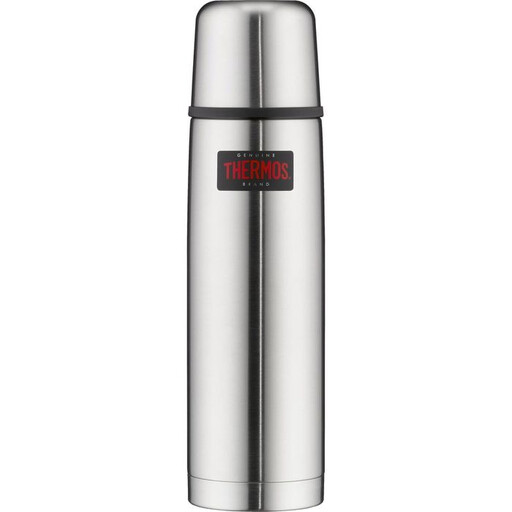
Why This Fits Their Persona: For anyone who already owns a countertop blender and is looking for a reliable transport solution. This bottle focuses on maximum insulation and durability to keep smoothies or other drinks cold for hours.
It addresses the problem of leaky lids with a disassemblable auto-seal closure. The double-walled stainless steel is impact- and shatter-resistant, making it a durable alternative to plastic containers.
Excellent insulation performance, keeping drinks cold for up to 24 hours according to the manufacturer. The design, which has no internal coating, ensures an unadulterated taste.
For the safe and stylish transport of your beverages, we have curated a selection of products that meet strict criteria for material and functionality.
1. How many watts does a good portable smoothie maker need? For processing soft fruits and liquids, models with 200 to 250 watts can be sufficient. However, if you regularly want to blend tougher ingredients like frozen fruit, leafy greens, or nuts, a motor power of at least 300 watts is recommended. This ensures a creamy consistency and prevents the motor from overheating.
2. Can I crush ice with a mini blender? The ability to crush ice depends on the motor power and the blade design. Look for devices where the ice-crushing function is explicitly stated by the manufacturer. As a rule, this requires a motor with 300 watts or more, as well as robust, multi-pronged stainless steel blades. Always read the manufacturer's instructions for this.
3. Are the blending containers dishwasher-safe? On most modern personal blender models, the containers are made of BPA-free Tritan or glass and are suitable for cleaning in the dishwasher. However, the blade assembly and the motor base are almost always excluded and must be cleaned by hand. For proper care, always follow the specific cleaning instructions in the product manual.