
Lieferung heute & morgen

Qualitätsgarantie

Willkommens-Angebote freischalten: KOSTENLOSE Lieferung | Bis zu 80 % RABATT | Kostenlose 30-Tage-JoyPlus-Testphase
App herunterladen
As an owner of an electric car or plug-in hybrid, you face a key question: What is the easiest and most flexible way to charge my vehicle, especially if installing a permanent wallbox isn't an option? A portable charging cable for a domestic socket, often called an emergency charging cable, is a practical solution. However, the market can be overwhelming, and not every product delivers on its promises. This guide will help you avoid common purchasing pitfalls and make an informed decision.
Many buyers are swayed by marketing promises that can lead to disappointment or even safety risks in practice. Pay attention to these three points to avoid making a bad purchase.
To find the right EV charging cable for a standard socket, you should understand and check the following technical specifications.
A Schuko to Type 2 charging cable always operates on a single phase. The maximum charging speed is given in kilowatts (kW) and is calculated from the voltage (230 V) and the current (amperes, A).
A high-quality emergency charging cable for EVs is more than just a cable. It's an intelligent safety device between the power grid and your vehicle.
Based on the criteria mentioned, we have compiled products for different requirements and usage scenarios.
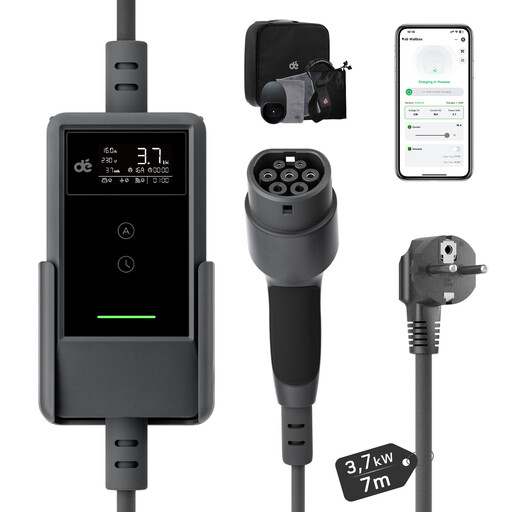
Why This Fits Their Persona: Ideal for renters or EV drivers looking for a straightforward charging solution for home and on the go. The app control and adjustable amperage provide maximum flexibility and safety for daily use with any standard socket.
The current is adjustable from 6A to 16A, which prevents overloading household sockets. The app control provides smart features that go beyond simple charging.
Full control via app (charge scheduling, current adjustment) and a generous 7-metre cable length for high flexibility.
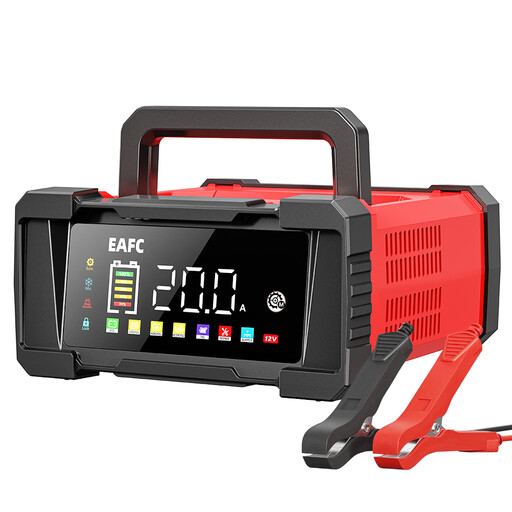
Why This Fits Their Persona: For the forward-thinking EV driver who knows that even an electric car has a 12V battery for its onboard electronics. This charger provides a safeguard against a breakdown caused by a dead 12V battery—an often-overlooked problem.
Addresses the hidden trap of a dead 12V battery, which can immobilise the entire vehicle even if the main traction battery is full. A proactive addition to your charging setup.
Broad compatibility with 12V/24V battery types (AGM, GEL, LiFePO4) and a pulse repair function for battery maintenance.
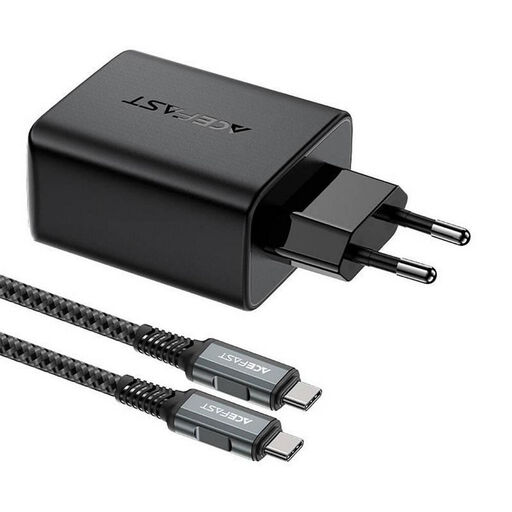
Why This Fits Their Persona: Perfect for users who want to make productive use of their car's charging time. This accessory transforms the vehicle into a mobile office by charging a laptop at up to 65W while simultaneously allowing the connection of an external 4K monitor.
Bypasses the "trap" of unproductive waiting time while charging. Instead of just waiting, the user can work at full capacity, making every charging stop more efficient.
Combines a powerful 65W GaN charger with a 4K HDMI adapter in a compact package, reducing the need for multiple adapters.
We have compiled a complete, up-to-date list of products that fully meet these strict selection criteria and safety regulations.
At a standard domestic socket (like a Schuko), which is rated for a continuous load of 10 amps, the charging speed is approximately 2.3 kW. To estimate the charging time, divide your battery's net capacity (in kWh) by the charging speed. For example, a battery with a 50 kWh capacity would need about 21-22 hours for a full charge from 0 to 100% (50 kWh / 2.3 kW). However, for daily overnight top-ups, this is sufficient in most cases.
Yes, daily use is safe, provided you use a high-quality charging cable with all the necessary safety certifications (especially temperature monitoring in the plug) and your home's electrical wiring is in good condition. For regular use at the same socket, it is recommended to have it checked by a qualified electrician to ensure it can safely handle the continuous load.
No. Both the Tesla Model Y and the VW ID.4 use the standardised Type 2 connector for AC charging in Europe. Therefore, any portable charging cable with a Type 2 plug that meets the relevant safety standards is compatible with these and most other European electric vehicles.